
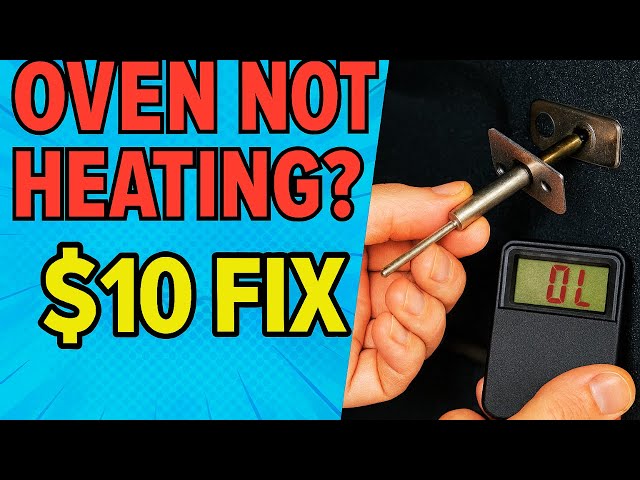
Is your oven refusing to heat up just when you need it most? It’s frustrating, isn’t it?
You rely on your oven every day to cook meals, bake treats, and warm up leftovers. When it stops heating, everything grinds to a halt. But don’t worry—understanding why your oven isn’t heating can save you time, money, and stress.
You’ll discover the most common reasons behind this problem and simple steps you can take to fix it. Keep reading to get your oven back to working perfectly again.
Signs Of Oven Not Heating
An oven that does not heat properly can cause many cooking problems. You may notice your food is undercooked or takes too long to bake.
It is important to recognize the signs early. This helps you fix the oven before it stops working completely.
Temperature Inconsistencies
Your oven may not keep a steady temperature. The inside can be too hot in one spot and too cold in another.
This causes uneven cooking and can burn or undercook your food. Temperature issues often mean the heating element or thermostat is faulty.
- Food burns on one side but is raw on the other
- The oven temperature setting does not match the actual heat
- Oven cycles on and off irregularly
Longer Cooking Times
If your food takes much longer to cook, the oven may not be heating properly. It might not reach the set temperature.
This can happen because of a broken heating element or a bad temperature sensor. Your meals will be undercooked or cold inside.
- Recipes need more time than usual
- Food feels cold or lukewarm when done
- Oven temperature knob or display is inaccurate
No Heat Production
The oven may turn on but produce no heat at all. You will notice the oven stays cold inside during cooking.
This problem usually means the heating elements or power supply are broken. The oven will not cook food without heat.
- Oven light is on but no warmth inside
- Heating element does not glow red
- Oven fails to reach any temperature

Credit: www.sloanappliance.com
Heating Element Problems
The oven may not heat well because of issues with the heating element. This part is vital for creating heat inside the oven.
Heating element problems can stop the oven from reaching the right temperature. Fixing these issues helps the oven work properly again.
Burnt Out Elements
Burnt out heating elements do not produce heat. They can break after long use or sudden power surges.
You may see visible signs like dark spots, cracks, or breaks on the element. This means it needs replacing.
Loose Connections
Loose electrical connections can stop the heating element from working. Wires may become loose or disconnected over time.
Check the wiring and terminals for any loose or damaged parts. Tightening connections can often fix the problem.
Element Wear And Tear
Heating elements wear out after long use. The metal can weaken and lose its ability to heat properly.
Regular use causes gradual damage. This makes the oven heat unevenly or not at all.
Thermostat Issues
The oven thermostat controls the cooking temperature. If it stops working, the oven may not heat correctly. Thermostat problems are a common reason for oven heating issues.
Below are some thermostat issues that can cause the oven to stop heating. Understanding these can help you find the right fix.
Faulty Temperature Sensor
The temperature sensor tells the thermostat the oven’s heat level. A broken sensor may send wrong signals. This causes the oven to not heat properly or to turn off early.
Common problems include the sensor being damaged, loose, or dirty. Testing the sensor with a multimeter can show if it works well.
Calibration Errors
Calibration means setting the thermostat to the correct temperature. If the thermostat is not calibrated right, the oven may run too hot or too cold.
Calibration errors happen if the thermostat is old or was not set properly. You can fix this by adjusting the thermostat using the oven’s manual instructions.
Thermostat Malfunctions
The thermostat itself can fail due to wear or electrical problems. A malfunctioning thermostat might stop the oven from heating at all.
Signs of thermostat problems include uneven heating or no heat. Replacing the thermostat often solves these issues.
Credit: www.whirlpool.com
Electrical And Power Supply
An oven needs a steady electrical supply to heat properly. Problems with power can stop the oven from heating.
Checking the electrical system helps find the cause of heating issues.
Tripped Circuit Breaker
A circuit breaker cuts power if there is an overload. This protects the oven and home from electrical damage.
If the breaker trips, the oven will not get power and will not heat up.
- Check your home’s circuit breaker panel.
- Look for any breakers that are off or in the middle position.
- Reset the breaker by switching it off and on again.
Power Cord Damage
The power cord brings electricity from the wall to the oven. Damage to the cord can stop power flow.
Look for cuts, frays, or burn marks on the cord. Damaged cords can be unsafe and need replacement.
- Unplug the oven before checking the cord.
- Do not use the oven if the cord looks damaged.
- Contact a professional to replace the cord safely.
Internal Wiring Faults
Inside the oven, wires connect parts to power. Faulty wiring can stop heating elements from working.
Loose or broken wires can cause no heat or unsafe operation. A technician should inspect and fix these issues.
Control Board Failures
The control board is the brain of your oven. It tells the oven how to heat and cook food.
If the control board fails, the oven may not heat properly or at all. Problems here often cause heating issues.
Software Glitches
Software glitches happen when the control board’s programming has errors. These errors stop commands from working.
Glitches can cause the oven to ignore temperature settings or fail to start heating.
- Oven won’t heat to the set temperature
- Oven control panel freezes or resets
- Buttons do not respond correctly
Burned Out Components
Burned out parts on the control board cause failures. Heat or electrical surges can damage these parts.
When components burn out, the board cannot send power to the heating elements.
- Burn marks or melted parts on the board
- Oven stops heating suddenly
- Control board smells like burnt plastic
Display And Control Problems
Display and control issues often point to control board problems. The display might show wrong info or nothing at all.
Buttons may not work or show errors, making it hard to control the oven’s heat.
- Blank or flickering display screen
- Unresponsive or stuck buttons
- Error codes appear on the display
Safety Mechanisms
Ovens have safety features to keep you safe. These features can stop the oven from heating.
Understanding these safety mechanisms helps you find why your oven is not heating.
Door Lock Issues
The oven door must lock properly for heating to start. If the lock is broken, the oven won’t heat.
Door lock problems often happen with electric or self-cleaning ovens.
- Check if the door closes fully.
- Look for broken or stuck lock parts.
- Replace the lock if it is damaged.
Overheat Protection
Ovens have sensors to stop heating if they get too hot. This is called overheat protection.
If the sensor detects high heat, the oven will turn off to avoid damage or fire.
- Overheat sensors may fail, causing no heat.
- Let the oven cool before trying again.
- Contact a technician if the problem continues.
Child Lock Activation
Child locks stop the oven from heating to protect kids. If active, the oven won’t heat.
You can turn off the child lock by pressing specific buttons on the control panel.
- Look for a key or lock symbol on the display.
- Hold the button down for a few seconds to disable.
- Check the manual for exact steps.
Diy Troubleshooting Tips
If your oven is not heating, you can try to fix it yourself. Many common problems have simple solutions.
Before calling a technician, check a few things. This guide will help you find the cause.
Checking The Power Source
Make sure the oven is plugged in correctly. Sometimes the plug can be loose or disconnected.
Check if the circuit breaker has tripped. A tripped breaker stops power to the oven.
- Verify the power cord is not damaged
- Check the outlet with another device
- Reset the circuit breaker if it is off
Inspecting Heating Elements
The heating elements are inside the oven and heat the air. They can break or burn out.
Look for visible signs like cracks or blisters on the elements. Broken parts need replacement.
- Turn off power before inspecting
- Remove the oven racks for better view
- Replace damaged heating elements
Testing The Thermostat
The thermostat controls the oven temperature. If it fails, the oven may not heat properly.
You can test the thermostat using a multimeter. A faulty thermostat needs to be replaced.
- Unplug the oven before testing
- Remove the thermostat sensor
- Check resistance with a multimeter
- Replace if readings are outside normal range
Credit: www.whirlpool.com
When To Call A Professional
If your oven is not heating, it can be frustrating. Some problems are simple to fix. Others need a professional’s help.
Knowing when to call a professional can save time and keep you safe. Some oven issues require expert care.
Complex Electrical Repairs
Ovens use high voltage parts inside. Fixing electrical issues can be dangerous without training. A professional has the right tools and knowledge.
If the oven’s wiring or heating elements have problems, call a technician. They can find hidden faults and fix them safely.
Control Board Replacement
The control board acts like the oven’s brain. If it stops working, the oven may not heat at all. Replacing it is tricky.
Professionals know how to test and replace control boards. Trying to fix this yourself can cause more damage or void warranties.
Ensuring Safety Compliance
Ovens must meet safety rules to protect your home and family. Improper repairs can cause fire or electric shock.
A licensed professional ensures all repairs follow safety standards. They also check that your oven is safe to use after fixing.
Frequently Asked Questions
Why Is My Oven Not Heating Properly?
Your oven may not heat due to a faulty heating element, broken thermostat, or electrical issues. Check these parts first and replace if needed.
How Do I Fix An Oven That Won’t Heat Up?
Start by inspecting the heating element and thermostat. Replace damaged parts and ensure the oven is properly plugged in and powered.
Can A Blown Fuse Cause Oven Heating Failure?
Yes, a blown fuse can interrupt power to the oven, preventing heating. Check your home’s fuse box and replace any blown fuses.
What Role Does The Oven Thermostat Play?
The thermostat regulates oven temperature. If faulty, it can stop the oven from heating or cause uneven temperatures.
Conclusion
Oven not heating can disrupt your cooking plans. Simple checks often solve the problem fast. Check power supply, thermostat, and heating elements first. Sometimes, a small repair can fix the issue. Avoid using a broken oven for safety reasons. Regular maintenance helps keep ovens working well.
Knowing basic oven issues saves time and money. Stay calm and follow easy steps to fix it. Cooking will be enjoyable again once the oven heats right.