
Is your oven refusing to heat up just when you need it the most? It’s frustrating, isn’t it?
You’ve planned a meal, set the timer, and now your oven won’t cooperate. Before you panic or call a repair service, understanding why your oven isn’t heating can save you time and money. You’ll discover the common reasons behind this problem and simple steps you can take to fix it yourself.
Keep reading—you’re closer to getting your oven back to perfect cooking temperature than you think.
Common Causes Of Oven Heating Issues
Ovens sometimes stop heating properly. This can make cooking hard or impossible. Knowing the common causes helps you fix the problem fast.
Most heating issues come from a few parts inside the oven. Checking these parts can save time and money.
Faulty Heating Element
The heating element is the part that gets hot inside the oven. If it breaks or wears out, the oven won’t heat right.
Signs of a bad heating element include uneven cooking or no heat at all. Sometimes you can see visible damage like breaks or burns.
- Heating element may look dark or cracked
- Oven may take too long to heat
- Temperature inside oven may be lower than set
Thermostat Problems
The thermostat controls the oven temperature. If it is faulty, the oven may not reach or keep the right heat.
A broken thermostat can cause the oven to stay cold or get too hot. It may need testing or replacement by a professional.
Blown Thermal Fuse
The thermal fuse protects the oven from overheating. If it blows, the oven will stop heating to stay safe.
Thermal fuses can blow from power surges or old age. A blown fuse needs to be replaced to restore oven heat.
- Oven won’t heat at all if fuse is blown
- Fuse is a small, replaceable part inside the oven
- Checking fuse requires opening the oven panel
Power Supply Issues
The oven needs steady power to heat. Problems with the power supply can stop heating.
Check if the oven is properly plugged in. Also, circuit breakers or fuses in your home might be off or blown.
- Loose or damaged power cord can cause issues
- Tripped circuit breaker cuts power to the oven
- Power surges may damage oven components
Checking The Heating Element
The heating element is a key part of your oven. It heats up to cook your food. If the oven does not heat, the element might be broken.
Checking the heating element can help you find the problem. You can look at it, test it with tools, or replace it if needed.
Visual Inspection
Look at the heating element when the oven is off and cool. Check for cracks, breaks, or burn marks. A damaged element will not heat properly.
Also, see if the element is loose or disconnected. Sometimes the wires can come off or get damaged.
- Turn off the oven and unplug it for safety.
- Remove the oven racks to see the element clearly.
- Look for any visible damage or signs of wear.
- Check if the element is firmly attached and connected.
Using A Multimeter
A multimeter helps check if the element has electrical continuity. This means electricity can flow through it. No continuity means the element is broken.
Set the multimeter to the resistance (ohms) setting. Touch the probes to each end of the element. A reading near zero means it works. A very high or no reading means it is faulty.
- Unplug the oven and remove the heating element.
- Set your multimeter to the lowest ohms setting.
- Touch one probe to each terminal on the element.
- Read the resistance value on the multimeter screen.
- If no value shows, the element is broken.
Replacing The Element
If the heating element is damaged or shows no continuity, you need to replace it. You can buy a new element that fits your oven model.
Remove the old element carefully. Install the new one by connecting the wires and securing it in place. Test the oven to see if it heats.
- Turn off power to the oven at the breaker.
- Unscrew and disconnect the old heating element.
- Connect the new element wires to the terminals.
- Screw the new element into place securely.
- Restore power and test the oven heating.
Testing The Thermostat
The thermostat controls your oven’s temperature. If it stops working, the oven may not heat properly.
Testing the thermostat helps find if it causes heating problems. You can check it with simple tools.
Symptoms Of A Bad Thermostat
A faulty thermostat causes uneven or no heating in the oven. You might notice strange oven behavior.
- The oven takes too long to heat up
- Temperature is too hot or too cold
- Oven cycles on and off frequently
- Food cooks unevenly or stays raw
Calibration Tips
Check the oven temperature with an oven thermometer. Set the oven and compare readings after 20 minutes.
If the temperature is off, adjust the thermostat dial. Follow the oven manual for calibration steps.
- Place an oven thermometer inside the oven
- Preheat the oven to 350°F (175°C)
- Wait 20 minutes to stabilize temperature
- Compare thermometer reading to oven setting
- Adjust thermostat dial if needed
When To Replace
Replace the thermostat if it fails to hold the right temperature. Also, if it causes frequent heating issues.
If calibration does not fix the problem or the thermostat shows no response, get a new part for safety.
- Thermostat does not change temperature after adjustment
- Oven overheats or does not heat at all
- Thermostat is physically damaged or corroded
- Repeated oven errors linked to temperature control

Credit: www.kitchenaid.com
Inspecting The Thermal Fuse
If your oven is not heating up, the thermal fuse might be the problem. This small part keeps the oven safe from overheating. Checking it can help find the issue fast.
Understanding how the thermal fuse works and spotting signs of failure can save you time and money. Learn what to do if it stops working.
Role Of Thermal Fuse
The thermal fuse stops the oven from getting too hot. It cuts power if the temperature is unsafe. This prevents fires and damage to the oven parts.
It acts like a safety switch. If it works well, the oven heats only to the right temperature.
Signs Of Failure
A bad thermal fuse can cause the oven not to heat at all. It may stop the oven from turning on or cause it to shut off quickly.
- The oven does not heat up
- The oven stops working suddenly
- The fuse looks burnt or broken
- The oven shows error codes
Resetting Or Replacing
Most thermal fuses cannot be reset. If it fails, you need to replace it with a new one. Always unplug the oven before checking or changing the fuse.
Find the fuse near the oven’s heating element or control panel. Use a multimeter to test for continuity. Replace the fuse if the test shows no continuity.
Verifying Power Supply
Your oven may not heat if it has no power. Checking the power supply is key to fixing this.
Start by making sure the oven gets electricity. This helps find simple problems fast.
Checking Circuit Breaker
A tripped circuit breaker can stop power to your oven. Look in your home’s breaker box.
If the oven’s breaker is off, switch it back on. This can restore power to the oven.
- Locate the breaker box
- Find the breaker for the oven
- Check if it is in the OFF position
- Flip it ON if needed
Inspecting Oven Wiring
Loose or damaged wires can cut power to the oven. Look behind the oven for wires.
Check if any wires are disconnected or burnt. Fix or replace damaged wires carefully.
- Unplug the oven first
- Remove the back panel
- Look for loose or broken wires
- Call a professional if wires look damaged
Confirming Outlet Functionality
A bad outlet can stop the oven from getting power. Test the outlet with another device.
If the other device does not work, the outlet may be faulty. Replace or repair the outlet.
- Unplug the oven
- Plug in a lamp or phone charger
- See if the device powers on
- Fix the outlet if no power is present
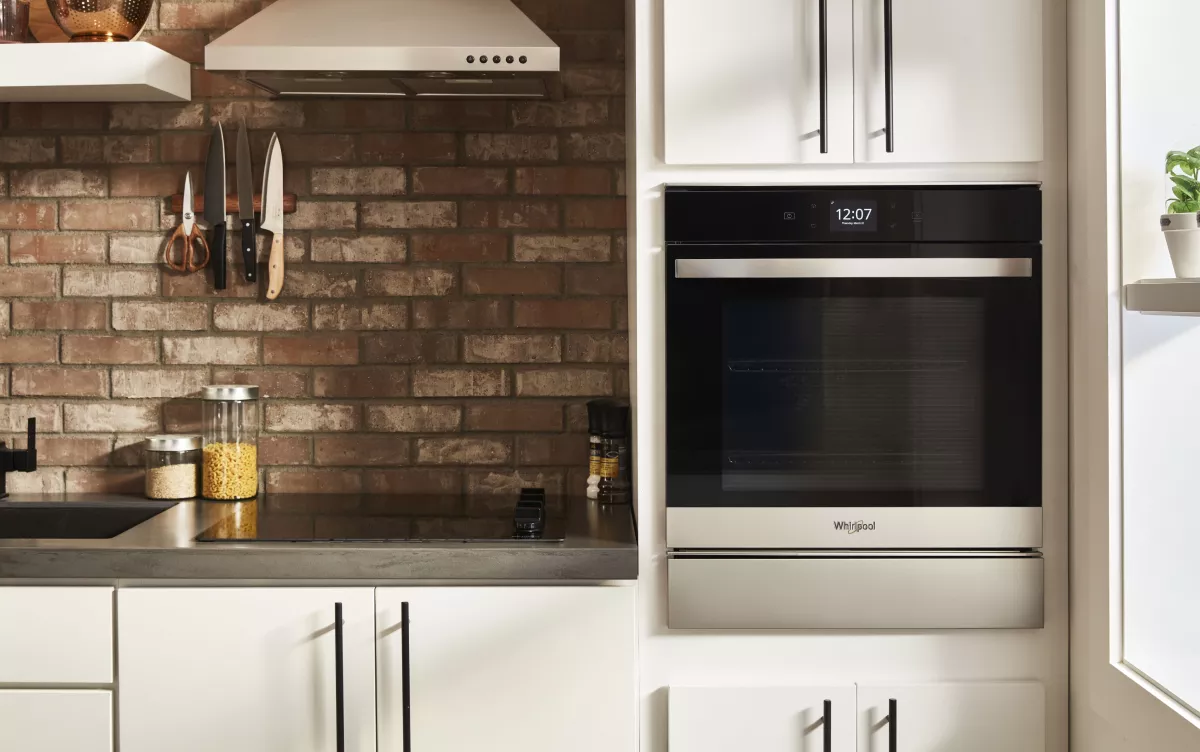
Credit: www.whirlpool.com
Additional Troubleshooting Steps
If your oven is not heating up, there are more things to check. Some problems are hidden inside the oven parts.
These extra steps help find the cause. You can fix the oven or know what to tell a repair person.
Control Board Malfunctions
The control board is like the oven’s brain. It sends power to the heating parts.
If the control board breaks, the oven may not heat at all. You might see error codes or no response when pressing buttons.
- Look for burn marks or broken parts on the board
- Check if buttons and display work properly
- Reset the oven by unplugging it for a few minutes
- Call a technician if you suspect control board damage
Door Seal And Sensor Issues
The door seal keeps heat inside the oven. If it is damaged, heat escapes and the oven won’t get hot.
Sensors check the oven temperature. If a sensor fails, the oven may not heat correctly or stop heating altogether.
- Check the door seal for cracks or gaps
- Replace the seal if it looks worn out
- Listen for unusual noises or errors from sensors
- Test sensors with a multimeter if you have one
Consulting The User Manual
The user manual has important tips about your oven model. It explains error codes and basic fixes.
Reading the manual helps avoid mistakes. It tells you how to reset the oven or check parts safely.
- Find the troubleshooting section in the manual
- Follow the instructions for your exact oven model
- Use the manual before calling for repairs
- Keep the manual handy for future problems
When To Call A Professional
If your oven is not heating up, some problems need expert help. Trying to fix it yourself can be risky.
Knowing when to call a professional saves time and prevents damage to your oven or home.
Complex Electrical Problems
Ovens have many electrical parts inside. If wiring or circuits fail, the oven won’t heat properly.
These problems can be hard to find and fix without special tools and knowledge.
- Faulty wiring or loose connections
- Broken heating elements linked to electrical faults
- Malfunctioning control boards or sensors
Warranty Considerations
Your oven may still be under warranty. Fixing it yourself might void that warranty.
Calling a professional ensures repairs follow the warranty rules and keep coverage active.
- Check your warranty terms before trying repairs
- Use authorized service centers for repairs
- Keep records of all professional service visits
Safety Precautions
Ovens use high voltage and heat. Trying to fix them without training can cause injury.
Professionals know how to handle these dangers safely and protect your home from hazards.
- Risk of electric shock or burns
- Fire hazards from faulty parts or wiring
- Proper handling of gas ovens to avoid leaks

Credit: www.youtube.com
Frequently Asked Questions
Why Is My Oven Not Heating At All?
Your oven may not heat due to a faulty heating element, blown fuse, or power issues. Check the element for damage and ensure the oven is properly plugged in.
How Can I Fix An Oven That Won’t Heat Evenly?
Uneven heating often results from a broken heating element or faulty thermostat. Inspect these parts and consider professional repair if needed.
Can A Faulty Thermostat Cause Oven Heating Problems?
Yes, a malfunctioning thermostat can prevent proper temperature regulation, causing your oven not to heat correctly or evenly.
Is A Tripped Circuit Breaker Causing My Oven Not To Heat?
A tripped breaker can cut power to your oven, preventing it from heating. Check your home’s electrical panel and reset any tripped breakers.
Conclusion
A cold oven stops cooking and causes frustration. Small problems can block heat from building up. Checking the power supply and heating elements helps find the issue. Sometimes, a simple fix saves money and time. For safety, call a professional if unsure.
Regular care keeps your oven working well longer. Don’t let a broken oven ruin your meals. Act quickly to keep your kitchen running smooth.