
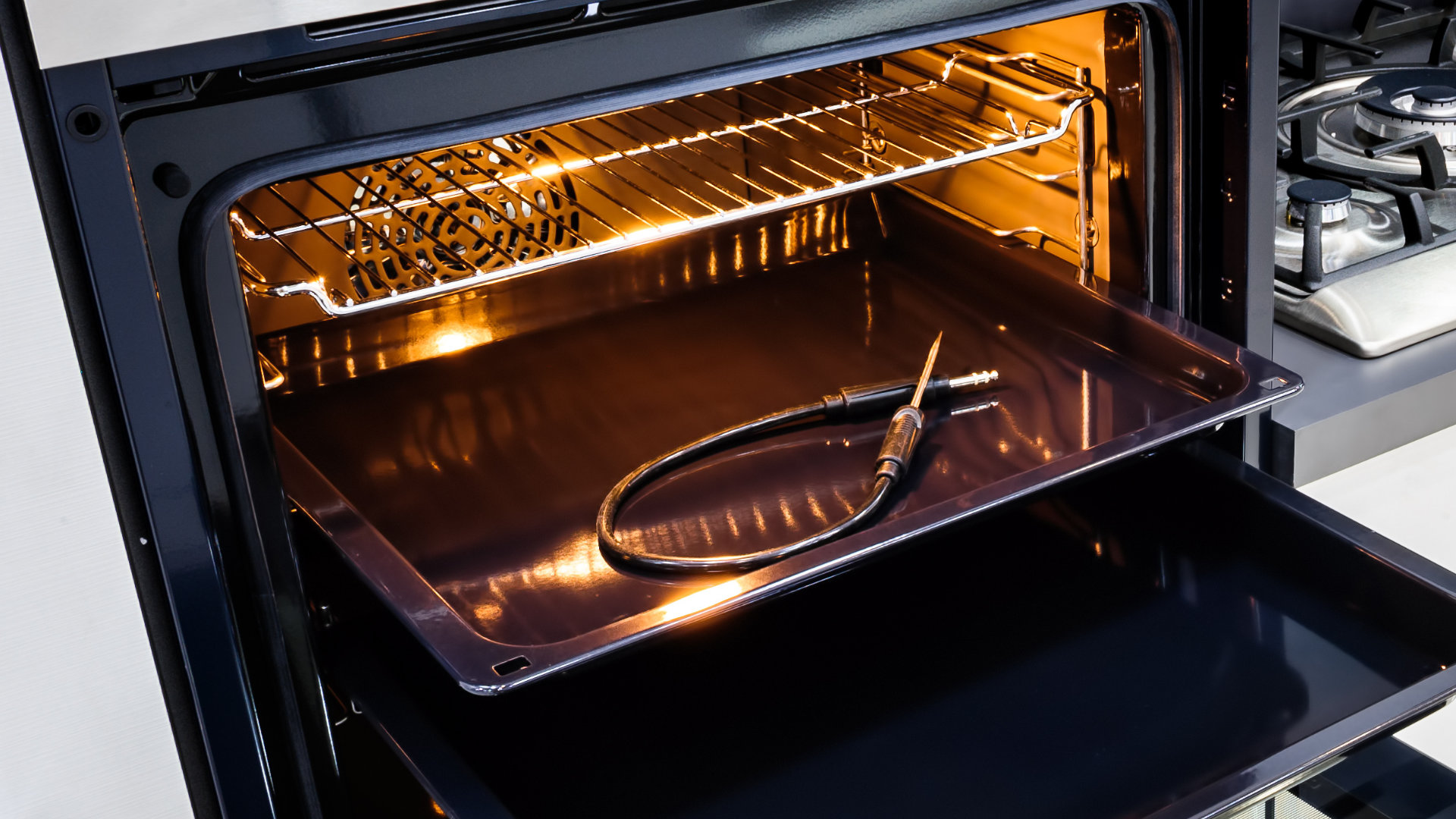
Is your Samsung electric oven leaving your meals cold and your patience thin? You’re not alone.
When your trusty kitchen appliance starts acting up, it can throw your entire cooking routine into chaos. Whether you’re a passionate home chef or someone who just wants to heat up a quick dinner, a malfunctioning oven can be incredibly frustrating.
But don’t worry—you’re about to discover simple solutions that can get your oven back to its sizzling best. Dive into this article to uncover the common reasons your oven might not be heating properly and learn how you can fix them without the hassle. Let’s turn up the heat on this problem and get your culinary adventures back on track!
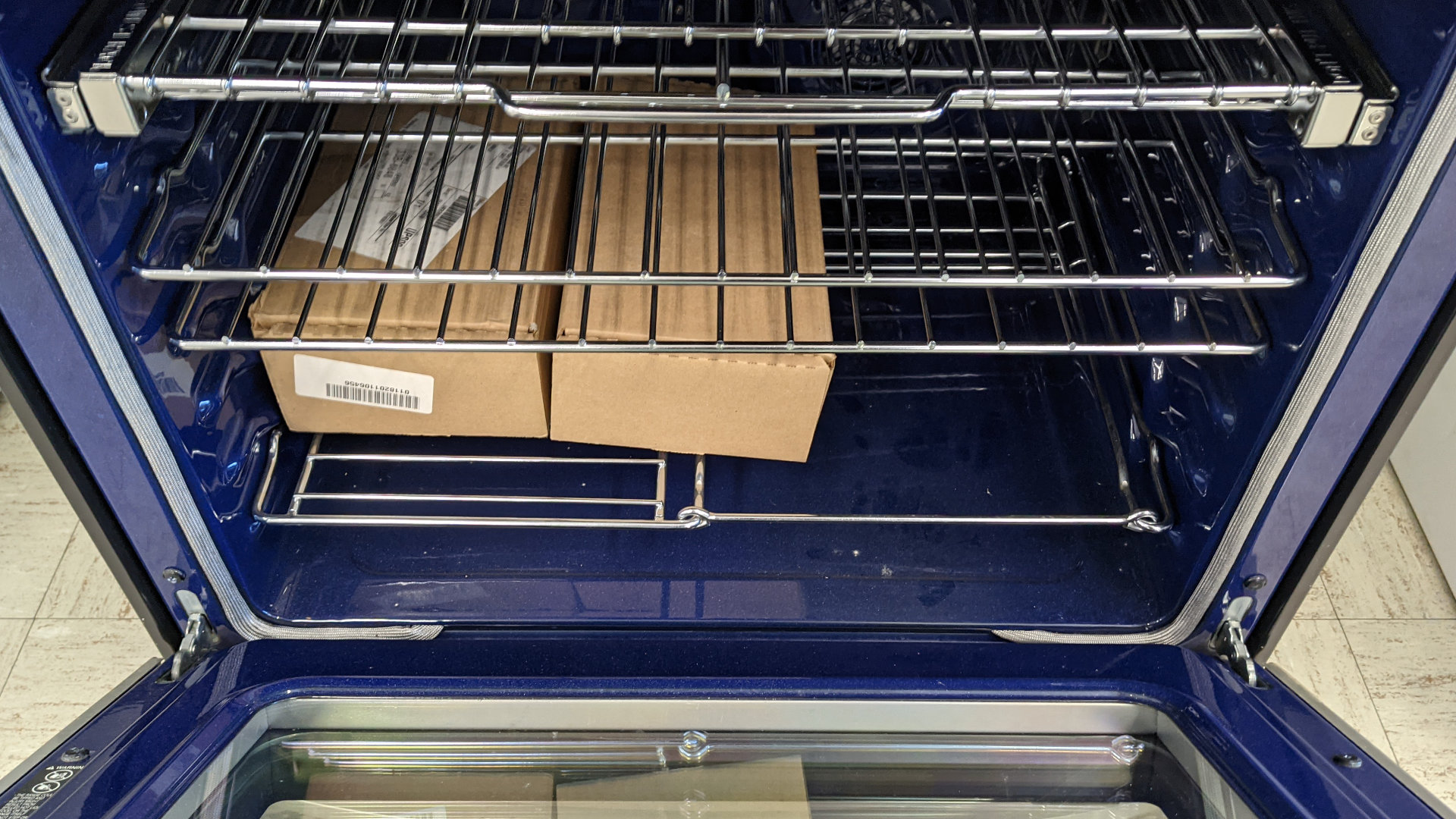
Credit: applianceexpresstx.com
Common Causes Of Heating Issues
Samsung electric ovens may face heating problems due to faulty heating elements or thermostat issues. Power supply interruptions can also hinder proper heating. Regular maintenance and timely checks help prevent these common issues, ensuring efficient oven performance.
When your Samsung electric oven decides not to heat properly, it can turn dinner plans into a frustrating ordeal. Understanding the common causes of this issue is the first step to getting back on track. Identifying the root of the problem can save you time and money, and help you decide whether a DIY fix is possible or if calling in a professional is the way to go. ###Faulty Heating Element
A faulty heating element is often the first suspect when your oven isn’t heating as it should. The heating element is responsible for producing the heat needed for cooking. If it’s damaged or burnt out, your oven won’t reach the desired temperature. You can usually spot a problem if the element appears blistered or separated. Replacing it is often a straightforward task, and many tutorials are available online to guide you. ###Thermostat Malfunction
The thermostat is the brain of your oven, regulating temperature to ensure consistent cooking. A malfunctioning thermostat might cause your oven to heat unevenly or not at all. Consider this scenario: you set your oven to 350°F, but it feels like it’s barely warm. A thermostat issue may be to blame. You can use an oven thermometer to check if the actual temperature matches your setting, which can be a telltale sign of this problem. ###Power Supply Problems
Sometimes, the issue isn’t with the oven itself but with the power supply. A tripped circuit breaker or a loose plug might be the culprits behind your oven’s refusal to heat. Before you panic, ensure the oven is properly plugged in and check your home’s electrical panel. It’s a simple step that can save you from unnecessary repairs. ###Temperature Sensor Failure
The temperature sensor plays a crucial role in communicating with your oven’s control board. If it fails, your oven might not heat to the set temperature. A common symptom is the oven taking longer to preheat or not reaching full heat at all. Recalibrating the sensor or replacing it might be necessary. If you’re unsure, consulting your oven’s manual can provide clarity on how to proceed. Have you ever faced these issues with your oven? What steps did you take to resolve them? Sharing your experiences can help others facing similar challenges. Each problem has a solution, and with the right approach, you can restore your oven to perfect working order.
Credit: www.davesmithappliance.com
Troubleshooting Steps
Sometimes your Samsung electric oven might not heat properly, which can be frustrating when you’re in the middle of preparing a meal. Thankfully, there are several steps you can take to troubleshoot the issue before calling in a professional. These steps are straightforward, even if you’re not particularly handy. So, let’s get your oven back to working efficiently!
Checking The Power Supply
Begin by ensuring your oven is receiving power. Check if the oven’s display is lit up. If it’s not, the problem might be with the power supply.
Make sure the power cord is securely plugged into the outlet. Try using another appliance in the same outlet to confirm it’s working. A tripped circuit breaker could also be the culprit; reset it if necessary.
Have you ever experienced a power outage that affected your appliances? It’s worth considering this possibility if your oven suddenly stops working.
Inspecting The Heating Element
One common cause of heating issues is a faulty heating element. Open the oven door and examine the heating element for any visible damage like cracks or breaks.
If you notice any damage, replacing the heating element might solve the problem. You can find replacement parts online or at a local appliance store.
Imagine baking a cake and realizing halfway through that the oven isn’t heating. A quick inspection could save your dessert!
Testing The Thermostat
Your oven’s thermostat regulates the temperature. If it’s not working, the oven might not heat to the desired temperature.
Set your oven to a specific temperature and use an oven thermometer to check if the displayed temperature matches the actual temperature inside.
If there’s a discrepancy, it might be time to replace the thermostat. Have you ever wondered why your food takes longer to cook? A faulty thermostat could be the answer.
Evaluating The Temperature Sensor
The temperature sensor plays a crucial role in ensuring your oven heats accurately. It’s located inside the oven and monitors the temperature.
If the sensor is malfunctioning, your oven might overheat or not heat enough. Use a multimeter to test the sensor’s continuity.
Are you unsure of how to use a multimeter? YouTube has numerous tutorials that can guide you through the process.
By following these troubleshooting steps, you can often identify and solve the heating problem yourself. Have you tried these steps on your oven? Share your experience or any additional tips below!
Diy Fixes
Troubleshoot your Samsung electric oven not heating with simple DIY fixes. Check the power source and ensure connections are secure. Inspect the heating element and replace if faulty.
Dealing with a Samsung electric oven that’s not heating properly can be frustrating, especially when you’re in the middle of cooking a meal. Before calling in a professional, you might want to try some DIY fixes. These methods can save you time and money while restoring your oven to perfect working condition. Let’s dive into some practical solutions you can try at home.Replacing The Heating Element
If your oven isn’t heating at all, the heating element might be the culprit. Begin by turning off the oven and unplugging it to ensure your safety. Next, locate the heating element, usually found at the bottom of the oven. Carefully remove it by unscrewing any mounting screws and disconnecting the wires. Install the new heating element by reversing these steps. Make sure all connections are secure before plugging the oven back in and testing it.Calibrating The Thermostat
Sometimes, your oven might heat unevenly, which could be a thermostat issue. To calibrate, start by preheating your oven to 350°F (175°C). Use an oven thermometer to check the actual temperature inside. If there’s a significant difference, adjust the thermostat settings according to your user manual. Most Samsung models allow for adjustments through the control panel. After making changes, test the oven again to ensure it heats accurately.Fixing Power Supply Issues
Another common issue is an unreliable power supply, causing your oven to not heat properly. First, check the power cord and ensure it’s securely plugged into the outlet. Inspect the cord for any visible damage. If the cord looks fine, check your circuit breaker to ensure it hasn’t tripped. Resetting the breaker may resolve the issue. If the problem persists, testing the outlet with another appliance can help determine if the outlet is faulty. Could it be time to consider a professional if the power supply issues continue? With these DIY fixes, you can tackle common problems with your Samsung electric oven. Which of these solutions might solve your oven woes? Taking a hands-on approach not only saves money but also boosts your confidence in handling minor appliance repairs.Professional Repair Options
When your Samsung electric oven stops heating properly, it disrupts daily life. Understanding professional repair options can save time and stress. Sometimes, attempting a DIY fix can worsen the problem. Professional repairs ensure the oven operates safely and efficiently. But when is it time to call an expert? Let’s explore key considerations in professional repair.
When To Call A Technician
If the oven doesn’t heat at all, contact a technician. Frequent undercooked meals indicate a deeper issue. A burning smell or unusual noises require immediate attention. Technicians diagnose problems accurately, preventing further damage. They have the right tools for efficient repairs. Safety comes first, so don’t risk it with DIY solutions.
Cost Of Repairs
Repair costs vary based on the issue’s complexity. Simple fixes might cost less than $100. Replacing key components can exceed $200. Always request a quote before proceeding. Check if parts are included in the estimate. Compare quotes from different service providers. Choose an experienced technician for reliable service.
Warranty Considerations
Check if your oven is still under warranty. Warranty coverage might include free repairs. Unauthorized repairs can void the warranty. Always consult your warranty documentation. Contact Samsung support for guidance on warranty claims. Ensure the technician is authorized by Samsung. This maintains warranty validity and ensures quality service.
Maintenance Tips
Experiencing heating issues with your Samsung electric oven? Check the power supply and ensure the temperature settings are correct. Inspect the heating element for signs of damage and replace if necessary to restore optimal performance.
Maintaining your Samsung electric oven can keep it working efficiently. Regular upkeep prevents problems like heating issues. Following simple maintenance tips can help. These tips focus on cleaning, inspections, and preventing overload.Regular Cleaning
Keep your oven clean for optimal performance. Food spills can affect heating. Use a damp cloth to wipe away grime. Clean the racks and trays. Avoid using harsh chemicals. Regular cleaning ensures better heat distribution. It also prolongs the oven’s lifespan.Scheduled Inspections
Inspect your oven routinely to catch potential issues early. Check the heating element. Look for visible damage or residue. Ensure the door seals properly. A faulty seal can cause heat loss. Regular inspections help identify problems before they worsen.Avoiding Overloading
Do not overload your oven with too much food. Overloading affects heat circulation. Uneven cooking results from blocked air flow. Arrange dishes to allow space between them. This ensures even heat distribution. Proper loading enhances cooking efficiency.
Credit: www.youtube.com
Frequently Asked Questions
Why Is My Samsung Electric Oven Not Heating To Correct Temperature?
Your Samsung oven may not heat correctly due to a faulty heating element, temperature sensor, or control board. Ensure the oven is properly calibrated, and check for error codes. Inspect the power supply and connections for issues. Contact Samsung support for assistance if troubleshooting doesn’t resolve the problem.
Why Is My Samsung Electric Oven Not Heating Over 175?
Your Samsung oven might not heat over 175 due to a faulty heating element, a malfunctioning thermostat, or a defective control board. Check for blown fuses or tripped breakers. Ensure the oven is correctly set and preheated. Consult a professional if these steps don’t resolve the issue.
Why Is My Electric Oven Not Getting Hot Enough?
Your electric oven might not heat properly due to faulty heating elements, incorrect temperature settings, or a malfunctioning thermostat. Ensure the power supply is adequate and inspect the oven for any visible damage. Regular maintenance can prevent these issues and ensure optimal performance.
Where Is The Reset Button On The Samsung Oven?
Samsung ovens typically don’t have a dedicated reset button. Reset by unplugging the oven for a few minutes. Reconnect to restore default settings. Consult your oven’s manual for specific instructions.
Conclusion
Fixing a Samsung electric oven can be simple. Check the power supply first. Ensure the oven is plugged in. Inspect the heating element for damage. Replace if necessary. Clean the oven interior regularly. Dirt can affect heating. Keep the ventilation clear.
Proper airflow is crucial. Consult the user manual for guidance. It offers troubleshooting tips. Consider professional help for complex issues. Safety is important. Regular maintenance can prevent problems. Your oven should heat properly now. Enjoy cooking with confidence. A well-functioning oven makes meal preparation easier.
Reliable appliances enhance kitchen experiences. Keep these tips handy for future use.