

Picture this: you’re eagerly preparing to bake your favorite dish, but as soon as you turn on your oven, an unpleasant smell of burning plastic fills the air. You’re not using a brand-new appliance, so what could be causing this troubling odor?
You’re not alone in this predicament. Many homeowners face the same unsettling issue, leaving them worried about the safety and functionality of their ovens. You might be wondering if this smell is merely an inconvenience or a sign of a more serious problem.
Understanding the root cause of this issue can not only bring peace of mind but also help you maintain a safe and efficient kitchen. You’ll uncover the potential reasons behind this unwanted aroma and learn practical steps to tackle it. Stay with us to ensure your cooking space remains safe and your meals, delicious.
Causes Of Burning Plastic Smell
An oven emitting a burning plastic smell could indicate wiring issues or leftover debris from previous cooking. Faulty insulation or a melted component might also be the culprit. Identifying the exact cause promptly ensures safety and prevents further damage.
If you’ve ever turned on your oven and been greeted by the unpleasant odor of burning plastic, you’re not alone. This smell can be alarming, especially if your oven isn’t brand new. Understanding the causes can help you troubleshoot and fix the issue effectively. Let’s explore some common reasons behind this unsettling smell.Old Residue
Sometimes, the culprit is simply old residue that has accumulated over time. It could be remnants of previous cooking spills or plastic packaging that inadvertently got left behind. Over time, these residues can emit a burning smell as they heat up. Consider checking the oven’s interior for any leftover food particles or plastic bits. A thorough cleaning can often solve the problem. Have you recently cooked something that might have dripped onto the heating elements?Damaged Components
Another possible cause is damaged components within your oven. Wires or plastic parts might have deteriorated over time. This deterioration can lead to the burning plastic odor you’re experiencing. Inspect the oven for any visible signs of damage. Look for melted plastic parts or frayed wires. If you’re not comfortable doing this yourself, you might want to call a professional to assess the situation.Electrical Malfunctions
Electrical malfunctions can also result in a burning plastic smell. Faulty wiring or connections can generate heat, causing nearby plastic parts to emit a burning odor. This is more common in older ovens where wear and tear have taken their toll. If you suspect an electrical issue, it’s crucial to address it promptly. Have you noticed any flickering lights or inconsistent heating? These could be signs pointing to an electrical problem. In tackling these issues, always prioritize safety. Unplug your oven before inspecting or cleaning to avoid any risk. With a bit of detective work, you can pinpoint the source of the smell and enjoy a fresh-smelling kitchen once again.Safety Precautions
Strange oven odors, like burning plastic, can signal potential hazards. Unplug the appliance immediately to prevent fire risks. Always inspect for melted components or misplaced items inside to ensure safety.
When your oven smells like burning plastic, safety should be your top priority. Ignoring this smell could lead to serious hazards, including fire or toxic fumes. Taking a few simple safety precautions can help you manage the situation effectively and protect your home and family.Ventilate The Area
The first step is to ensure proper ventilation. Open all nearby windows and doors to allow fresh air to circulate. Turn on any exhaust fans in the kitchen to help remove the smell more quickly. Fresh air is crucial to dissipate potentially harmful fumes. You might be surprised how quickly the smell can clear with a good cross-breeze.Disconnect Power
Before inspecting or cleaning your oven, disconnect the power. This is essential to prevent electrical accidents. Unplug the oven if it’s a plug-in model, or switch off the circuit breaker for built-in models. Touching components while the oven is powered can be dangerous. You don’t want to risk a shock while trying to solve one problem.Wear Protective Gear
Safety gear isn’t just for professionals; it’s important for you, too. Wearing gloves can protect your hands from sharp edges or hot surfaces. A mask can help you avoid inhaling any lingering fumes. Consider wearing goggles if you’ll be closely inspecting or cleaning the oven. Have you ever thought about how a simple pair of gloves can prevent a nasty cut or burn? These precautions may seem basic, but they can make a significant difference in handling the situation safely. What other safety steps do you take when dealing with kitchen hazards? Share your tips or experiences—your insight could help others facing similar issues.Identifying The Source
Experiencing a burning plastic smell from your oven can be alarming. Check for leftover packaging or a misplaced plastic item inside. Ensure nothing has fallen onto the heating element that could cause this odor.
If your oven smells like burning plastic and it’s not new, it’s essential to identify the source quickly. This issue could potentially lead to more significant problems if left unchecked. Understanding where the smell is coming from can help you address it effectively and ensure your kitchen remains a safe place for cooking. ###Inspect Oven Interior
Start by examining the oven’s interior. Look for any visible debris or packaging materials that might have been left behind. Sometimes, small plastic pieces from food packaging can fall inside the oven and cause a burning smell when the oven is heated. Check for any melted plastic or foreign objects that might have made their way into the oven. If you spot anything unusual, safely remove it using oven mitts or tongs. Regularly cleaning your oven can help prevent these unwanted odors. ###Examine Wiring And Connections
Next, it’s crucial to assess the wiring and connections. Faulty wiring can sometimes emit a burning plastic smell. Turn off the power to the oven and carefully inspect the wiring for signs of damage or wear. Are there any loose connections or exposed wires? If you’re unsure or uncomfortable with what you see, it might be wise to call a professional. Electrical issues can be dangerous, and it’s important not to take any risks. ###Check Heating Elements
Finally, take a look at the heating elements. A malfunctioning heating element can sometimes produce a smell reminiscent of burning plastic. Ensure that the heating elements are clean and free from any residue. Are there any signs of blistering or damage on the elements? If so, replacing the heating element might be necessary. Consider whether the oven is preheating properly; inconsistency here can also point to a faulty element. By following these steps, you can pinpoint the cause of the burning plastic smell. Remember, taking swift action can prevent further damage and ensure your kitchen remains a safe and pleasant environment. Have you encountered this problem before, and what was your solution?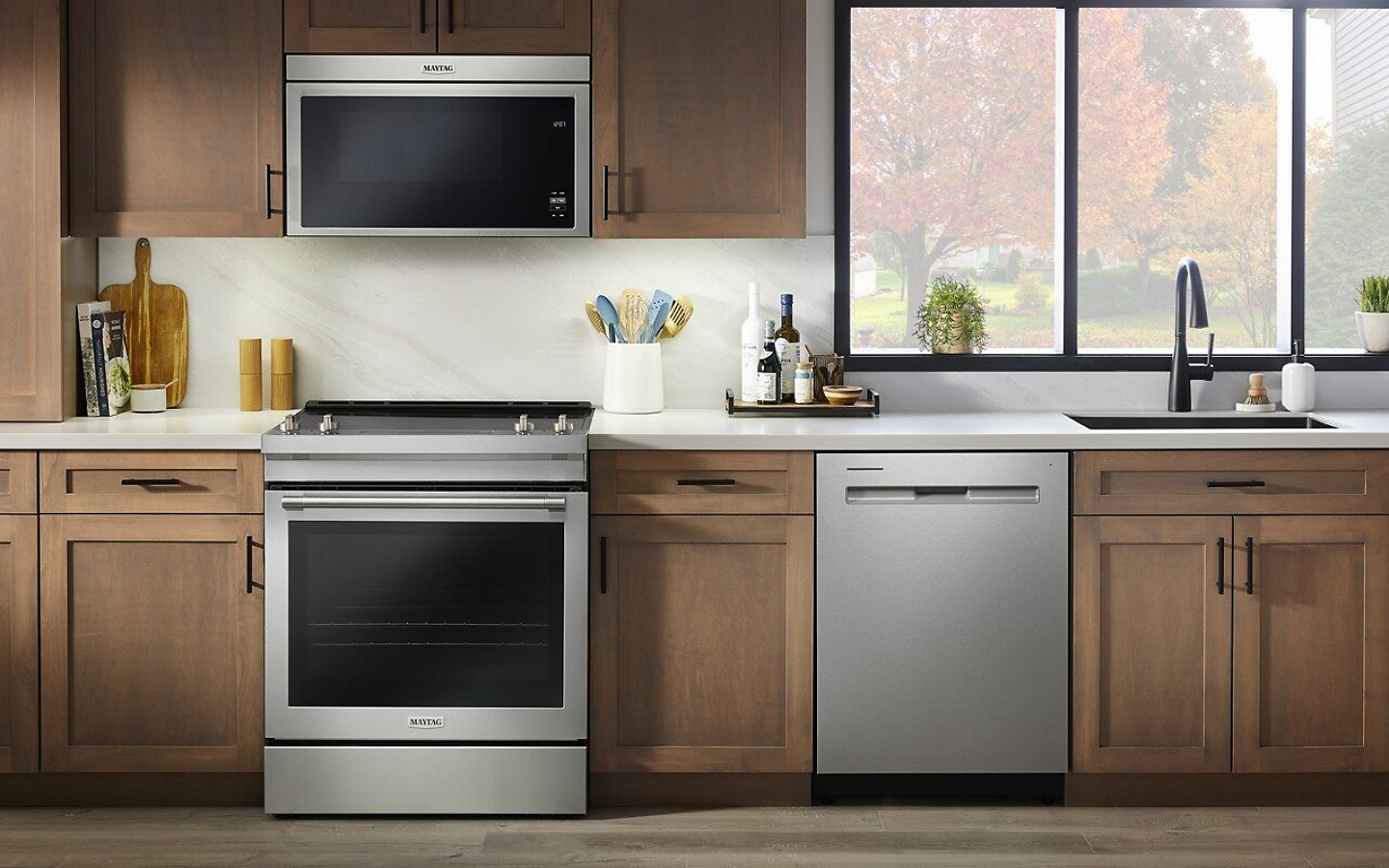
Credit: www.maytag.com
Cleaning And Maintenance
An oven smelling like burning plastic might indicate leftover packaging or residue. Check and clean thoroughly to remove any debris. Persistent odors could suggest faulty wiring or components, needing professional inspection. Regular maintenance ensures safe and efficient operation.
Cleaning and maintenance are crucial when your oven smells like burning plastic, especially if it’s not new. This unpleasant odor can interfere with your cooking experience and may even pose health risks. By maintaining a clean oven, you not only eliminate these smells but also extend the life of your appliance. Let’s look at some practical steps to keep your oven in top shape.Remove Residue
Food spills and grease buildup can be the culprits behind the burning plastic smell. After each cooking session, allow your oven to cool before wiping down the interior. Use a mixture of baking soda and water for stubborn spots. Have you ever noticed how a clean oven feels more inviting? You’ll find that regular cleaning makes a significant difference in your kitchen routine.Clean Oven Parts
Don’t forget the racks, trays, and other removable parts. These components often trap food particles and grease, contributing to that off-putting scent. Soak them in warm, soapy water, and scrub gently. A friend once told me how they transformed their cooking experience simply by paying more attention to these parts. It’s amazing how such a small effort can yield significant results.Inspect Regularly
Regular inspection can catch problems before they worsen. Look for signs of wear and tear, like cracked seals or frayed wires, which could emit burning smells. Set a monthly reminder to inspect your oven. Does this sound like a lot? Remember, a few minutes each month can save you from bigger issues down the road. Wouldn’t you rather spend a little time now than deal with a more significant problem later? Your oven will thank you, and so will your peace of mind.Repair And Replacement
Dealing with an oven that smells like burning plastic can be alarming. This odor often suggests a need for repair or replacement. Understanding the root cause is crucial for resolving the issue effectively. Whether it’s faulty wiring or damaged parts, addressing these problems head-on can restore your oven’s functionality and eliminate the unpleasant smell.
Fixing Electrical Issues
Electrical problems are a common reason for the burning plastic smell. You might notice flickering lights or inconsistent heating. These signs indicate potential wiring issues.
Check the power cord and connections. Look for signs of wear or damage. Replacing frayed wires can often solve the problem.
Consider using a voltage tester to ensure electricity flows properly. If you’re unsure about handling electrical repairs, it might be safer to consult a professional.
Replacing Damaged Parts
Damaged oven parts can be another culprit. Inspect the heating elements and other components for signs of melting or warping. These parts might need replacement to stop the smell.
Order new parts directly from the manufacturer or a reliable supplier. Ensure compatibility with your oven model to avoid further issues.
Replacing parts is generally straightforward. Follow the instruction manual closely to ensure proper installation.
Consulting Professionals
Sometimes, the problem might be beyond your expertise. If the smell persists despite your efforts, it’s wise to consult an appliance repair professional.
Professionals can diagnose complex issues efficiently. They have the tools and knowledge to address problems you might overlook.
Think about the cost-benefit of professional help. Would you prefer peace of mind knowing your oven is fixed correctly?
Repair and replacement are crucial steps in dealing with an oven that smells like burning plastic. Addressing these areas can prevent further damage and ensure your kitchen remains a safe, pleasant environment.

Credit: flamingoappliance.com
Preventive Measures
Experiencing a burning plastic smell in your oven can be alarming and unpleasant. However, by adopting preventive measures, you can avoid this scenario and ensure your oven remains safe and efficient. It’s not just about dealing with the problem when it arises but taking proactive steps to stop it from happening in the first place.
Regular Cleaning
A clean oven is less likely to emit unpleasant odors, including that nasty burning plastic smell. Make it a habit to remove food residues and spills immediately after cooking. You don’t need fancy cleaners; a mixture of baking soda and water can work wonders.
Consider cleaning every month. This way, you prevent build-up that can lead to unwanted scents. A clean oven not only smells better but also cooks more efficiently.
Routine Inspections
How often do you check the condition of your oven? Routine inspections can help you catch potential issues before they escalate. Make sure all the parts, like the racks and trays, are in good shape.
Look for any signs of wear and tear. If something seems out of place, it might be time for a replacement. Simple checks can prevent bigger problems down the road.
Proper Usage Guidelines
Using your oven correctly is crucial. Avoid placing plastic items near or inside the oven when it’s on. This is a surefire way to prevent that burning plastic smell.
Follow the manufacturer’s instructions. They provide guidelines tailored to your oven model. Are you sure you’re using your oven at the right temperatures? Misuse can lead to malfunction and odors.
Preventive measures are key to maintaining a fresh-smelling oven. What steps will you take today to ensure a better cooking environment?

Credit: www.vanproappliance.ca
Frequently Asked Questions
Why Does My Oven Suddenly Smell Like Burning Plastic?
An oven smelling like burning plastic may indicate melted packaging or a misplaced utensil. Inspect for foreign items inside. Check wires and components for damage. Clean thoroughly and remove any debris. If odor persists, consult a professional to ensure safety and avoid potential hazards.
Can I Use My Oven If It Smells Like Plastic?
Avoid using your oven if it smells like plastic. The smell might indicate a burnt plastic component. Ensure proper ventilation and inspect for any plastic residue. If the smell persists, consult a professional to check for safety issues. Operating it in this state may pose health risks.
Why Do I Smell Burning Plastic When Nothing Is Burning?
Phantom smells can be caused by sinus infections, neurological issues, or exposure to certain chemicals. Consult a doctor if the issue persists to rule out any underlying conditions.
Does Electrical Fire Smell Like Burning Plastic?
Yes, electrical fires often smell like burning plastic. This odor results from melted wiring insulation and electronic components. Detecting this smell early can help prevent serious damage. Always investigate unusual smells to ensure safety and prevent potential hazards. Regular maintenance can reduce the risk of electrical fires.
Conclusion
Fixing an oven smell is not hard. Start by checking for plastic pieces. They might have melted during cooking. Clean the oven with a soft cloth. Use mild soap and warm water. Ventilate your kitchen well. This helps remove lingering odors.
Always inspect your oven before use. Safety comes first. Regular cleaning prevents strange smells. Take action quickly to avoid problems. An oven smelling like plastic is alarming. But it can be fixed easily. Keep your kitchen smelling fresh. Enjoy cooking without worries.
Let your oven be a place for delicious meals, not unpleasant odors. Stay alert and keep cooking fun.