

Is your electric oven not heating up when you need it most? It’s frustrating to plan a meal and then find your oven won’t warm properly.
You might wonder what’s wrong and how to fix it quickly. Understanding why your oven isn’t heating can save you time, money, and stress. You’ll discover common causes and simple solutions to get your oven working again. Keep reading—you’re closer to a fully heated oven than you think.
Credit: www.whirlpool.com
Common Causes
When an electric oven does not heat up, it can stop you from cooking meals. Many problems can cause this issue. Understanding these causes helps you fix the oven or know when to call a technician.
This guide covers common causes of an electric oven not heating. It looks at heating element issues, thermostat problems, faulty wiring, and blown fuses or tripped breakers.
Heating Element Issues
The heating element warms the oven. If it breaks or burns out, the oven won’t heat. This is a very common cause of heating problems.
Heating elements can crack or become damaged over time. Signs include no heat or uneven cooking. You may see visible damage or a broken coil.
- Cracked or broken element
- Burnt or blackened parts
- Element not glowing red when on
Thermostat Problems
The thermostat controls oven temperature. If it fails, the oven may not heat properly or at all. A faulty thermostat can cause wrong temperature readings.
Thermostat issues can cause the oven to shut off early or not turn on. Testing or replacing the thermostat may fix the problem.
- Oven too hot or too cold
- Oven stops heating suddenly
- Temperature knob not working right
Faulty Wiring
Wiring connects all oven parts. Faulty wiring can stop electricity from reaching the heating element or thermostat. This leads to no heat.
Look for loose, frayed, or burnt wires inside the oven. Wiring problems are dangerous and need careful inspection by a professional.
- Loose wire connections
- Burnt or melted insulation
- Exposed wires or sparks
Blown Fuses Or Tripped Breakers
Electric ovens need power from your home’s circuit. A blown fuse or tripped breaker can cut power to the oven. This prevents it from heating up.
Check your home’s fuse box or breaker panel. Reset breakers or replace fuses if needed. If the problem returns, call an electrician.
- Breaker switch in off position
- Blown fuse in the fuse box
- Repeated breaker trips need professional help
Basic Checks
If your electric oven does not heat up, simple checks can help find the problem. These checks save time and avoid costly repairs.
Start by looking at the power, controls, and settings. These are common causes for the oven not heating.
Power Supply Verification
Make sure the oven is plugged in properly. Check if the power outlet works by testing another device.
Look for a tripped circuit breaker or blown fuse in your home’s electrical panel. These can stop power to the oven.
- Check the power cord for damage
- Test the outlet with a lamp or phone charger
- Reset the circuit breaker if needed
- Replace any blown fuses
Control Panel Inspection
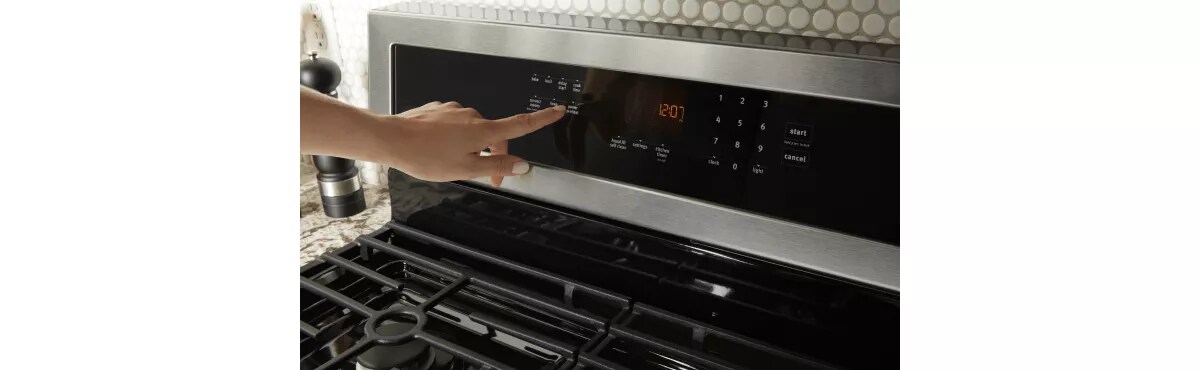
Look at the control panel for error messages or flashing lights. These signs show if the oven has a fault.
Make sure the buttons and knobs work well. Sometimes dirt or damage can stop the panel from working.
- Clean the control panel gently
- Press each button to test response
- Check for any error codes in the display
- Refer to the manual for specific error meanings
Oven Settings Review
Check the oven’s temperature setting. Make sure it is set above room temperature and on the correct mode.
Look at the timer and delay start options. If the oven is set to start later, it will not heat now.
- Set temperature to the desired cooking level
- Choose the right cooking mode (bake, broil, etc.)
- Turn off any delay start or timer
- Restart the oven after changing settings
Testing Components
An electric oven may stop heating due to faulty parts. Testing these parts helps find the problem fast. This guide covers how to test key components.
Check the heating element, thermostat, and igniter carefully. Use simple tools like a multimeter for best results.
Checking The Heating Element
The heating element warms the oven. If it is broken, the oven will not heat. Look for cracks or burns on the element.
Use a multimeter to test the element’s resistance. A good element shows a steady reading. No reading means it is faulty.
- Turn off power to the oven
- Remove the heating element
- Set multimeter to ohms
- Touch probes to element terminals
- Check for continuity or resistance value
Measuring The Thermostat
The thermostat controls oven temperature. If it fails, the oven may not heat or overheat. Test it with a multimeter for accuracy.
Remove the thermostat and check continuity. A working thermostat shows continuity at room temperature. No continuity means it is broken.
- Unplug the oven
- Locate the thermostat
- Disconnect wires from thermostat
- Set multimeter to continuity mode
- Touch probes to thermostat terminals
- Listen for beep or check reading
Inspecting The Igniter
The igniter lights the gas in gas ovens. A weak or broken igniter stops heating. Look for cracks or glowing problems.
Test the igniter’s resistance with a multimeter. A normal igniter has low resistance. Very high or no reading means it needs replacement.
- Turn off power and gas
- Remove the igniter carefully
- Set multimeter to ohms
- Touch probes to igniter terminals
- Check resistance reading

Credit: www.youtube.com
Repair Steps
An electric oven not heating up can stop your cooking plans. Fixing it yourself can save time and money.
Follow these repair steps carefully to restore your oven’s heat.
Replacing The Heating Element
The heating element is the part that warms the oven. If it is broken, the oven will not heat.
To replace it, first unplug the oven. Remove the screws holding the old element. Pull it out gently and disconnect wires. Connect the new element and screw it back in place.
- Unplug the oven from power
- Remove back panel or inside screws
- Disconnect wires from the old element
- Attach wires to the new element
- Screw the new element securely
- Plug in and test the oven
Resetting Or Replacing The Thermostat
The thermostat controls the oven’s temperature. A faulty thermostat can stop the oven from heating.
Try resetting the thermostat by turning the oven off and on. If it still does not work, test the thermostat with a multimeter. Replace it if it shows no continuity.
- Turn off and unplug the oven
- Locate the thermostat behind the control panel
- Use a multimeter to check continuity
- Reset if possible or replace if broken
- Reconnect and test the oven
Fixing Wiring Connections
Loose or damaged wires can stop the oven from heating. Inspect the wiring carefully.
Unplug the oven. Check all wires for damage or looseness. Tighten any loose connections. Replace damaged wires before testing the oven again.
- Unplug the oven before inspecting
- Look for frayed or broken wires
- Tighten loose wire connections
- Replace damaged wires if needed
- Test the oven after repairs
When To Call A Professional
If your electric oven is not heating up, you might want to try simple fixes first. Sometimes, the problem is easy to solve. But some issues need expert help to keep you safe and avoid damage.
Knowing when to call a professional can save time and prevent more problems. Read on to learn about signs that need expert repair.
Complex Electrical Issues
Electric ovens have many parts that work with electricity. If there is a wiring problem or a broken heating element, it can be hard to fix. These issues require special tools and knowledge.
Trying to fix complex electrical problems yourself can cause more damage or electric shock. A professional technician knows how to test and repair these parts safely.
Safety Concerns
Electric ovens use high voltage to heat food. If you see sparks, smell burning, or hear unusual noises, stop using the oven immediately. These signs can mean dangerous faults.
A professional can check for hidden risks like faulty wiring or gas leaks in dual-fuel ovens. Fixing these safely is very important to protect your home and family.
- Stop using the oven if you notice strange smells or sounds
- Do not try to repair electrical parts without training
- Call a professional right away for safety checks
Warranty And Service Support
If your oven is still under warranty, repairs by unauthorized people can void it. Professionals who work with the brand can keep your warranty valid. They also use original parts.
Using service support from the manufacturer or certified technicians ensures proper repair. This can save money in the long run and keep your oven working well.
Preventive Tips
An electric oven that does not heat properly can cause many cooking problems. Taking care of your oven helps keep it working well. Small habits can prevent heating issues.
Following easy steps can save you time and money. Here are some tips to keep your oven heating up correctly.
Regular Maintenance
Check your oven regularly to find problems early. Clean the oven to stop dirt from affecting heating parts. Replace worn parts on time to keep good performance.
- Clean the oven interior every few weeks
- Inspect heating elements for damage
- Test the oven temperature with an oven thermometer
- Replace faulty door seals to keep heat inside
Proper Oven Usage
Use the oven as the manual suggests. Avoid changing settings often. Preheat the oven before cooking for even heat. Use the right racks for your dishes.
- Preheat oven to the required temperature
- Place food in the center of the oven
- Do not open the oven door too often
- Follow recommended cooking times and temperatures
Avoiding Overloads
Do not put too many dishes inside the oven at once. Overloading stops heat from spreading evenly. This can cause the oven to work harder and fail to heat well.
- Cook in batches if needed
- Leave space between dishes for air flow
- Do not block heating elements with large pans
Credit: www.maytag.com
Frequently Asked Questions
Why Is My Electric Oven Not Heating Up?
Your electric oven may not heat due to a faulty heating element, blown fuse, or a broken thermostat. Check these parts and replace if needed. Also, ensure the oven is properly plugged in and the circuit breaker is not tripped.
How Can I Test My Oven Heating Element?
Turn off power to the oven, remove the heating element, and use a multimeter to check for continuity. No continuity means the element is defective and needs replacement to restore proper heating.
What Causes Electric Oven Temperature Fluctuations?
Temperature fluctuations can occur due to a faulty thermostat or sensor, damaged heating element, or poor door seal. Inspect these parts and replace or repair as needed to maintain consistent oven temperatures.
Can A Blown Fuse Stop My Oven From Heating?
Yes, a blown thermal fuse can prevent the oven from heating. This safety device cuts power if the oven overheats. Replacing the fuse should restore heating functionality.
Conclusion
A cold oven can stop your cooking plans fast. Check the power supply and heating elements first. Sometimes, a simple fix solves the problem. For safety, always turn off the oven before inspecting. If the oven still won’t heat, call a professional.
Taking quick action saves time and money. Keep your oven working well for tasty meals every day. Don’t let a faulty oven spoil your cooking fun.