

Craving fresh, warm bread but don’t have an oven? You’re in the right place.
This no oven stovetop bread recipe with yeast is simple, quick, and perfect for your kitchen. Imagine the smell of homemade bread filling your home, made without any fancy equipment. You’ll learn how to create soft, fluffy bread using just your stovetop.
Keep reading, and you’ll discover a game-changing way to enjoy fresh bread anytime you want.
Credit: www.youtube.com
Ingredients Needed
This no oven stovetop bread recipe uses simple ingredients. You can find these items in most kitchens.
Each ingredient plays a key role in making soft and tasty bread on your stovetop.
All-purpose Flour
All-purpose flour forms the base of the bread dough. It gives the bread structure and texture.
- Use 2 cups for this recipe
- Make sure it is fresh for best results
- Sift the flour to avoid lumps
Active Dry Yeast
Yeast helps the bread rise and become soft. Active dry yeast works well for stovetop baking.
- Use 1 teaspoon of yeast
- Proof the yeast in warm water before mixing
- Check the expiration date on the package
Warm Water
Warm water activates the yeast and helps the dough come together. The water should be warm, not hot.
- Use 3/4 cup of warm water
- Temperature should be about 100°F (38°C)
- Too hot water may kill the yeast
Salt
Salt adds flavor to the bread. It also controls yeast growth to make the bread rise evenly.
- Use 1 teaspoon of salt
- Mix salt well with flour before adding water
Sugar
Sugar feeds the yeast and helps the dough rise faster. It also adds a mild sweetness to the bread.
- Use 1 tablespoon of sugar
- Add sugar to warm water before mixing with flour
Cooking Oil
Oil keeps the bread soft and prevents it from sticking to the pan. Use a neutral-flavored oil.
- Use 1 to 2 tablespoons of cooking oil
- Vegetable or canola oil works well
- Brush the pan lightly with oil before cooking
Credit: recipesaroma.com
Preparing The Dough
Making bread on the stovetop is easy and fun. The dough is the base of your bread.
Good dough makes soft and tasty bread without an oven. Let’s start with mixing the ingredients.
Mixing Ingredients
Mix flour, yeast, salt, sugar, and warm water in a bowl. Use fresh yeast for best results.
Stir the mixture until all ingredients combine. The dough should be sticky but not too wet.
- 2 cups all-purpose flour
- 1 teaspoon active dry yeast
- 1 teaspoon salt
- 1 teaspoon sugar
- 3/4 cup warm water (not hot)
Kneading Tips
Knead the dough on a clean surface for about 8 to 10 minutes. This builds gluten for a soft texture.
Press, fold, and stretch the dough. Use your palms and fingers to work it evenly.
- Lightly flour the surface to prevent sticking
- Do not add too much extra flour
- Keep kneading until dough feels smooth and elastic
First Rise
Place the dough in a greased bowl and cover it with a cloth. Let it rest in a warm place.
The dough should double in size after 1 to 2 hours. This means the yeast is active and working.
- Use a damp towel or plastic wrap to cover
- Keep away from cold drafts
- Check after 60 minutes to see if it has doubled
Cooking On The Stovetop
Making bread on the stovetop is a simple way to enjoy fresh bread without an oven. You can cook bread quickly using a pan and heat from your stove.
This method uses yeast to help the bread rise, giving it a soft and fluffy texture. It is perfect for small batches or when you do not want to heat the oven.
Choosing The Right Pan
Pick a pan that heats evenly to cook your bread well. A heavy-bottomed pan works best because it spreads heat across the surface.
Non-stick pans prevent the dough from sticking and make flipping easier. Cast iron or stainless steel pans are good choices for stovetop bread.
- Use a pan at least 8 inches wide
- Heavy-bottomed pans provide even heat
- Non-stick surfaces help prevent sticking
- Cast iron retains heat well
Heat Settings
Keep the heat medium-low to avoid burning the bread outside while the inside stays raw. Too high heat cooks the crust too fast.
Start with medium heat to warm the pan. Lower the heat to medium-low before placing the dough to cook it gently and fully.
- Preheat pan on medium heat
- Reduce to medium-low for cooking
- Adjust heat if bread cooks too fast or slow
Cooking Time And Flipping
Cook bread on one side until bubbles form and edges look set. This usually takes about 4 to 5 minutes. Then flip carefully to cook the other side.
Cook the second side for another 3 to 4 minutes. Check that bread is cooked inside by pressing gently. It should feel firm but soft.
- Cook first side for 4-5 minutes
- Flip gently using a spatula
- Cook second side for 3-4 minutes
- Press bread to check doneness
Troubleshooting Common Issues
Baking bread on the stovetop without an oven can be tricky. Sometimes, the dough or bread does not turn out as expected.
Knowing how to fix common problems helps you get better bread every time. Here are tips for common issues.
Dough Not Rising
If your dough is not rising, the yeast might be inactive. Yeast needs warm water and time to work properly.
Make sure your water is not too hot or cold. The ideal temperature is about 100°F to 110°F (38°C to 43°C).
- Use fresh yeast that is not expired
- Keep dough in a warm, draft-free place
- Allow enough time for the dough to rise, usually 1 to 2 hours
- Check that sugar is added to feed the yeast
Bread Too Dense
Dense bread can happen if the dough is too heavy or not kneaded well. Kneading helps develop gluten for a soft texture.
Also, adding too much flour can make bread dense. Measure ingredients carefully and follow the recipe.
- Knead dough for 8-10 minutes until smooth and elastic
- Avoid adding excess flour during mixing or shaping
- Let dough rise fully before cooking
- Use the correct amount of yeast and water
Uneven Cooking
Uneven cooking means some parts of the bread are raw or burnt. This can happen if heat is too high or pan is not level.
Use a heavy-bottom pan and cook on low to medium heat. Flip the bread gently to cook both sides evenly.
- Preheat pan well before adding dough
- Cook on low heat to avoid burning
- Use a lid to trap heat and cook bread evenly
- Flip bread carefully after 3-5 minutes
Variations And Add-ins
You can change the taste and texture of stovetop bread by adding different ingredients. These add-ins make the bread more interesting and flavorful.
Try herbs, seeds, nuts, or sweet ingredients to create unique bread variations. Each option gives a new twist to the basic recipe.
Herbs And Spices
Adding fresh or dried herbs can bring fresh flavors to your bread. Spices give warmth and depth to the taste.
Mix in herbs and spices directly into the dough before cooking. Use small amounts to avoid overpowering the bread.
- Rosemary
- Thyme
- Basil
- Oregano
- Garlic powder
- Cumin
- Coriander
Seeds And Nuts
Seeds and nuts add crunch and nutrition to your stovetop bread. They also give a nutty flavor that pairs well with yeast.
Toast seeds or nuts lightly before adding to the dough. This step brings out their flavor and aroma.
- Sunflower seeds
- Pumpkin seeds
- Sesame seeds
- Chia seeds
- Walnuts
- Almonds
- Hazelnuts
Sweet Versions
You can make a sweet stovetop bread by adding sugar or honey to the dough. Add fruits or spices for extra sweetness and flavor.
Try mixing in dried fruits or cinnamon to create a tasty treat. Serve sweet bread with butter or jam.
- Honey or sugar
- Cinnamon
- Raisins
- Dried cranberries
- Chopped dates
- Vanilla extract
Serving Suggestions
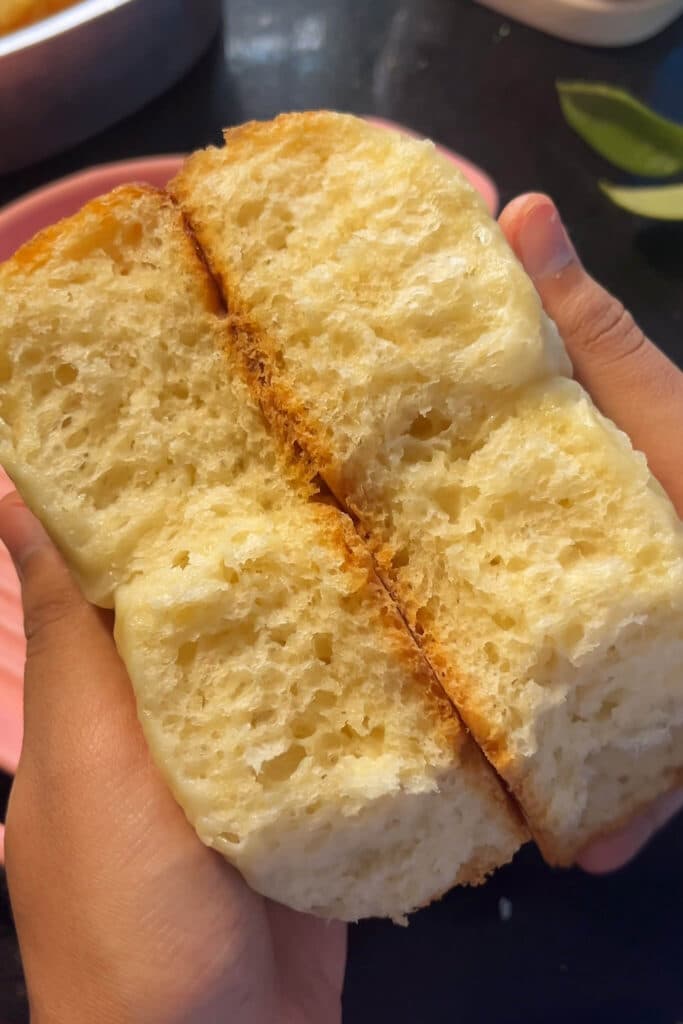
No oven stovetop bread with yeast is soft and warm. It pairs well with many dishes and flavors.
You can enjoy this bread fresh or with simple toppings for a quick meal or snack.
Butter And Jam
Spread butter on the warm bread for a rich taste. Add your favorite jam for sweetness.
- Use fruit jams like strawberry or raspberry
- Try honey as a natural sweetener
- Butter melts nicely on warm bread
Sandwiches
Use this bread to make simple sandwiches. Add vegetables, cheese, or meats.
- Fill with lettuce, tomato, and cucumber for a fresh sandwich
- Add sliced cheese and deli meats for a hearty meal
- Spread mustard or mayo for extra flavor
Soup Or Stew Side
Serve the bread alongside soups or stews. It soaks up the broth nicely.
- Dip into tomato soup or vegetable stew
- Use to scoop thick chili or curry
- Soft texture complements warm liquids
Garlic Bread
Turn the bread into garlic bread by spreading garlic butter. Toast it lightly on the stove.
- Mix butter with crushed garlic and herbs
- Spread evenly on bread slices
- Toast on low heat until golden and fragrant
Breakfast Toast
Enjoy the bread toasted with eggs or avocado. It makes a great breakfast option.
- Top with scrambled or fried eggs
- Add sliced avocado and a pinch of salt
- Include fresh herbs like parsley or chives
Credit: shivangikooks.com
Frequently Asked Questions
How Do You Make Bread Without An Oven?
You can make bread on a stovetop by cooking dough in a covered pan. Use medium heat and flip it to cook evenly.
Can Yeast Bread Rise Without An Oven?
Yes, yeast bread rises before cooking. Let the dough rest in a warm place for 1-2 hours to double in size.
What Type Of Pan Is Best For Stovetop Bread?
A heavy-bottomed, non-stick or cast-iron skillet works best. It distributes heat evenly and prevents burning.
How Long Does Stovetop Bread Take To Cook?
Stovetop bread usually cooks for 15-20 minutes total. Cook 7-10 minutes on each side on medium heat.
Conclusion
This no oven stovetop bread recipe is simple and quick. You can enjoy fresh bread anytime without an oven. The yeast helps the bread rise soft and fluffy. Cooking on the stovetop saves energy and time. Try this recipe for a tasty, homemade treat.
Perfect for beginners and those with limited kitchen tools. Enjoy warm bread with butter or your favorite spread. Give it a try and share with family and friends.