
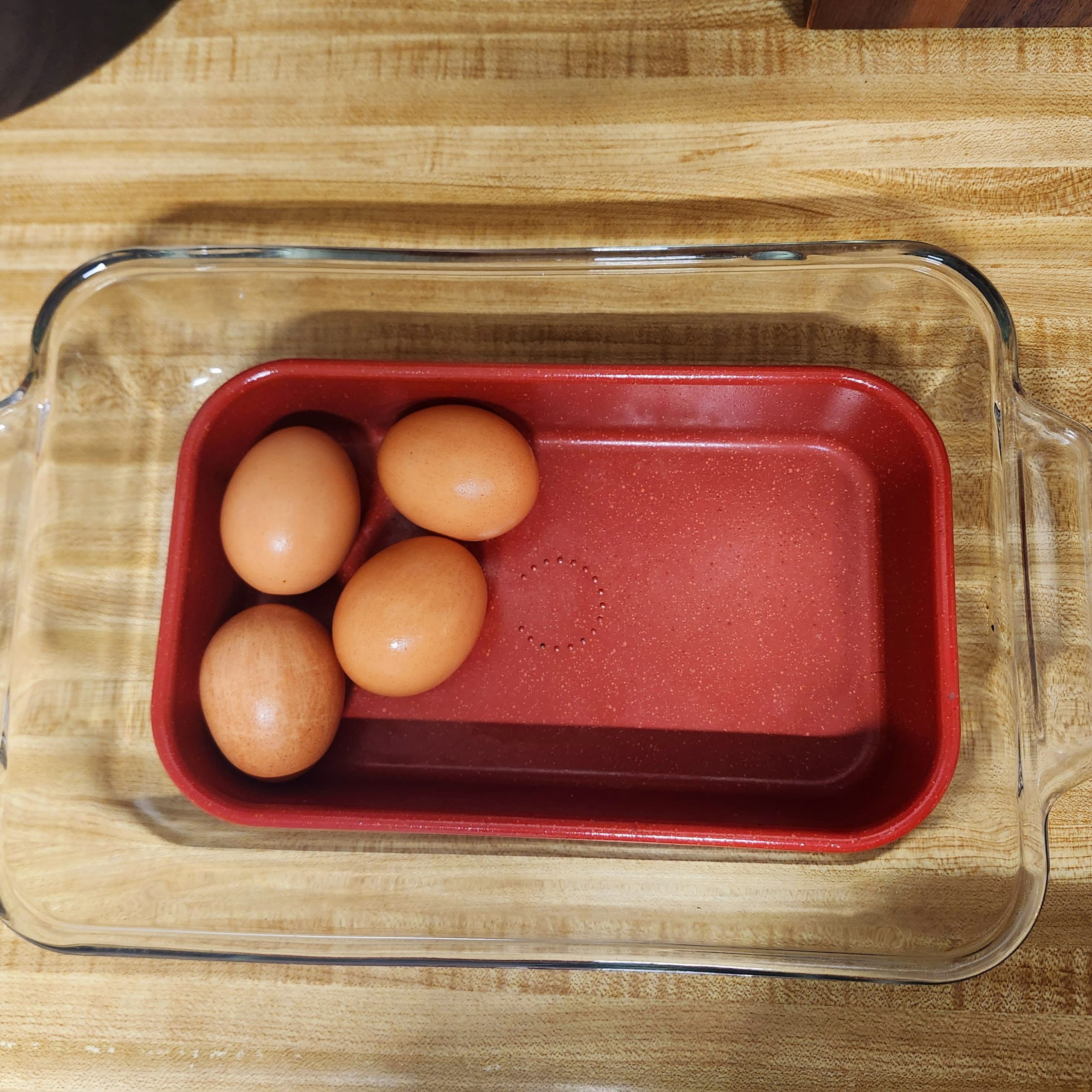
Are you tired of the hassle that comes with boiling eggs on the stove? What if you could make perfectly cooked hard boiled eggs without the shell, using your oven instead?
This method is simple, mess-free, and gives you great results every time. Imagine having a batch of ready-to-eat eggs waiting for you, without standing over boiling water or peeling stubborn shells. Keep reading, and you’ll discover an easy way to make hard boiled eggs in the oven that will change how you prepare your snacks and meals forever.

Credit: parade.com
Why Bake Eggs Without Shells
Baking eggs without shells is an easy way to cook them evenly. You skip peeling, which saves time.
This method also allows for different textures and flavors than boiling. It is a simple cooking alternative.
Benefits Over Boiling
Baking eggs without shells uses less water and energy than boiling. It is a cleaner process with less mess.
This way, you avoid cracked shells and uneven cooking. The eggs cook steadily in the oven’s heat.
- Less chance of broken eggs
- No need to peel hot shells
- More even cooking temperature
- Less water and energy used
- Easy cleanup after baking
Texture And Flavor Differences
Baked eggs have a firmer white and creamier yolk than boiled eggs. The oven heat cooks them gently.
The flavor is richer and less watery. Baking helps keep the egg’s natural taste intact without added water.
- Whites are smooth and firm
- Yolks stay creamy and soft
- Eggs taste richer and less diluted
- No water affects the flavor
- Texture is consistent throughout
Choosing The Right Eggs
Choosing the right eggs is important for making hard boiled eggs in the oven. The eggs affect taste and texture.
Good eggs make cooking easier and results better. Learn what to look for when buying eggs.
Freshness Matters
Fresh eggs give the best flavor and hold shape well. Old eggs might crack or taste different.
Check the pack date or sell-by date on the carton. Use eggs within three weeks of that date.
- Look for eggs with recent pack dates
- Avoid eggs past the sell-by date
- Store eggs in the fridge to keep fresh
Size And Type
Choose medium or large eggs for even cooking. Smaller eggs cook faster and may dry out.
Type matters too. Brown or white eggs taste similar but choose based on preference or availability.
- Medium or large eggs work best for oven cooking
- Extra-large or jumbo may need longer cooking times
- White and brown eggs cook the same way
Preparing Eggs For The Oven
Cooking hard boiled eggs in the oven without shells is simple. You just need the right tools and preparation.
Preparing the eggs well helps them cook evenly and taste great. It also makes cleanup easier.
Using Ramekins Or Muffin Tins
Ramekins and muffin tins hold eggs in place while baking. They stop eggs from spreading out too much.
Using these containers helps the eggs keep a nice shape. It also makes it easy to bake multiple eggs at once.
- Place one egg in each ramekin or muffin cup.
- Make sure containers are oven-safe.
- Use a muffin tin to cook many eggs evenly.
Oiling And Seasoning Options
Lightly oiling the containers stops eggs from sticking. Use a small amount of oil or cooking spray.
Season eggs before baking for better flavor. Salt and pepper are simple choices. You can add herbs or spices too.
- Use olive oil, butter, or non-stick spray for oiling.
- Sprinkle salt and pepper on eggs before baking.
- Add paprika, garlic powder, or fresh herbs for extra taste.

Credit: www.youtube.com
Perfect Oven Temperature And Timing
Baking hard boiled eggs without their shells in the oven is easy. Knowing the right oven temperature and time helps you cook eggs perfectly.
Too hot or too long can make eggs tough. Too cool or too short leaves eggs undercooked. Let’s look at the best temperature and timing.
Optimal Temperature Range
The best oven temperature for baking hard boiled eggs without shells is between 325°F and 350°F. This range cooks the eggs gently.
Temperatures higher than 350°F can dry out the eggs. Lower than 325°F may not cook the eggs fully.
- 325°F – 350°F keeps eggs tender
- Above 350°F risks rubbery texture
- Below 325°F can cause undercooking
Recommended Baking Duration
Baking time depends on egg size and oven accuracy. Usually, 20 to 25 minutes is enough to cook hard boiled eggs without shells.
Check eggs at 20 minutes to avoid overcooking. If eggs are not firm, add 2 to 3 minutes more.
- Small to medium eggs: 20 minutes
- Large eggs: 22 to 25 minutes
- Check firmness after 20 minutes
Tips For Easy Removal And Serving
Hard boiled eggs made in the oven without shells can be tricky to remove. Using the right tips helps keep them whole and neat.
Serving these eggs nicely makes them look tasty and easy to eat. Follow these tips for the best results.
Preventing Sticking
Eggs can stick to the baking tray or pan if you are not careful. Prevent this by preparing the surface properly.
Use a non-stick spray or a thin layer of oil before placing the eggs. This helps them come off easily after baking.
- Lightly grease the tray with cooking spray or oil
- Use silicone baking mats for a smooth surface
- Place eggs on parchment paper to avoid direct contact
- Let eggs cool a bit before removing to reduce sticking
Serving Suggestions
Hard boiled eggs without shells can be served in many simple ways. Cutting and seasoning them adds flavor and appeal.
Try these ideas to serve your oven-cooked eggs nicely and make them enjoyable for everyone.
- Slice eggs in halves or quarters for easy eating
- Sprinkle salt, pepper, or paprika for extra taste
- Serve with toast or fresh vegetables for a light meal
- Add chopped herbs like parsley or chives on top
- Use as a topping for salads or sandwiches
Common Mistakes To Avoid
Cooking hard boiled eggs in the oven without shells can be easy. Still, many make mistakes that ruin the eggs.
Knowing what to avoid helps you get perfect eggs every time. Here are two common mistakes to watch for.
Overcooking Risks
Oven cooking can dry out eggs quickly. Overcooked eggs turn rubbery and lose flavor.
Too much heat also causes a green ring around the yolk. This looks unappetizing and changes taste.
- Watch the cooking time carefully.
- Use a moderate oven temperature, about 325°F (163°C).
- Check eggs early to avoid overcooking.
- Cool eggs quickly after baking to stop cooking.
Handling Delicate Eggs
Without shells, eggs are fragile and easy to break. Handle them gently to keep their shape.
Use a soft tool or hands to move eggs. Avoid dropping or pressing too hard on them.
- Place eggs on a lined baking sheet to prevent sticking.
- Use a spatula to lift eggs carefully.
- Cool eggs in a bowl of cold water for easy handling.
- Do not stack eggs while hot; they may crack.
Creative Recipes Using Oven-baked Eggs
Baking eggs in the oven without shells is an easy way to cook them evenly. You can make many tasty dishes using these eggs. They add protein and flavor to your meals.
Oven-baked eggs work well in salads, sandwiches, breakfast bowls, and more. They are simple to prepare and fit many recipes.
Egg Salads And Sandwiches
Oven-baked eggs make creamy egg salads without the mess of boiling. Chop the eggs and mix with mayo, mustard, and spices. Use the salad in sandwiches or on toast.
You can also add oven-baked eggs to club sandwiches or wraps. They give a rich taste and soft texture. Try adding fresh veggies and herbs for more flavor.
- Chop oven-baked eggs finely for smooth salad
- Mix with mayonnaise, mustard, salt, and pepper
- Spread on bread or stuff in wraps
- Add lettuce, tomato, and pickles for crunch
- Top sandwiches with slices of avocado or cheese
Breakfast Bowls And More
Oven-baked eggs are great in breakfast bowls with grains and veggies. Slice or crumble the eggs over rice, quinoa, or oatmeal bowls. Add spices like paprika or chili flakes.
Use these eggs in salads, grain bowls, or even as a snack. They keep well in the fridge and are easy to add to any meal.
- Combine cooked grains with roasted veggies
- Top with sliced oven-baked eggs
- Drizzle with olive oil or dressing
- Sprinkle fresh herbs like parsley or chives
- Add nuts or seeds for extra crunch

Credit: parade.com
Frequently Asked Questions
How To Make Hard Boiled Eggs In Oven Without Shell?
Place eggs in a muffin tin to prevent rolling. Bake at 325°F (165°C) for 25-30 minutes. Cool eggs in ice water immediately. This method cooks eggs evenly without using water or shells.
Can You Bake Eggs Without Shells Safely?
Yes, baking eggs without shells is safe if cooked properly. Use a muffin tin for stability. Ensure eggs reach an internal temperature of 160°F (71°C) for safety. Cooling quickly prevents overcooking and ensures perfect texture.
What Is The Best Oven Temperature For Hard Boiled Eggs?
The ideal oven temperature is 325°F (165°C). This temperature cooks eggs evenly without cracking or drying out. Higher heat may cause uneven cooking or rubbery texture. Always cool eggs in ice water after baking.
How Long Should Eggs Bake In Oven For Hard Boil?
Bake eggs for 25 to 30 minutes at 325°F (165°C). Cooking time may vary slightly based on oven type and egg size. Immediate cooling in ice water stops cooking and makes peeling easier.
Conclusion
Baking eggs without shells saves time and makes peeling easy. The oven cooks eggs evenly and gently. You get perfect hard boiled eggs every time. This method is simple and needs little effort. Try it for snacks, salads, or breakfast.
Eggs stay tender and taste fresh. Enjoy the convenience of oven-cooked eggs today.