
Is your electric oven turning on but not heating up? That can be really frustrating, especially when you’re ready to cook a meal.
You might be wondering why your oven is acting this way and what you can do about it. Don’t worry—you’re not alone, and this problem is often fixable. You’ll discover the most common reasons behind an electric oven that powers on but won’t heat, and learn simple steps to get your oven back to perfect cooking temperature.
Keep reading—you’re just a few fixes away from a warm oven and delicious meals again.

Credit: www.youtube.com
Common Causes Of No Heat
An electric oven may turn on but not produce heat. This problem stops cooking and can be frustrating. Many reasons cause this issue.
Knowing the common causes helps you find and fix the problem faster. Check these parts if your oven has no heat.
Faulty Heating Elements
The heating elements are metal coils that get hot to cook food. If they break or burn out, the oven will not heat.
Check for visible damage like cracks or breaks. Replace the element if it looks damaged or does not get hot.
Tripped Circuit Breaker
The oven needs electricity to work. A tripped breaker stops power from reaching the oven. This can cause no heat.
Look at your home’s breaker box. Reset any breaker that has flipped off. This might restore power to the oven.
Malfunctioning Thermostat
The thermostat controls the oven’s temperature. If it fails, the oven may not heat or stay cold.
Test the thermostat with a multimeter or have a technician check it. Replace it if it does not control temperature properly.
Defective Temperature Sensor
The temperature sensor tells the oven how hot it is inside. If it breaks, the oven won’t heat right.
A broken sensor can cause the oven to turn on but not heat. Test the sensor’s resistance and replace if needed.
Safety First
If your electric oven turns on but does not heat, safety is very important. Do not try to fix it without taking safety steps.
Always protect yourself from electric shocks and burns before checking the oven parts.
Disconnecting Power
Before you check inside the oven, disconnect the power. This stops electricity from flowing and keeps you safe.
Unplug the oven from the wall or switch off the circuit breaker that powers it. Never work on the oven while it is live.
- Unplug the oven cord from the outlet
- Turn off the circuit breaker if you cannot unplug
- Use a tester to check no power is flowing
- Wait a few minutes to let the oven cool down
Using Protective Gear
Wear protective gear to avoid injuries. Gloves and safety glasses protect you from burns and sparks.
Use tools with insulated handles. This helps protect you from electric shock if the oven still has power.
- Wear heat-resistant gloves
- Use safety glasses to protect your eyes
- Choose insulated tools for electrical work
- Wear long sleeves to protect your skin
Checking The Heating Elements
If your electric oven turns on but does not heat, the heating elements might be the problem. These parts create the heat inside the oven. Checking them can help find the issue.
Heating elements can break or stop working over time. You can check them by looking closely and testing with tools.
Visual Inspection
Look at the heating elements inside the oven. They are usually long coils at the top and bottom. Check if they look damaged or broken.
Signs of damage include cracks, blisters, or areas that are dark or burnt. If you see any of these, the element might need to be replaced.
- Turn off the oven and unplug it before checking.
- Use a flashlight to see the elements clearly.
- Look for cracks, burns, or breaks on the coils.
- If the element looks intact, it may still have a problem inside.
Testing With A Multimeter
A multimeter checks if the heating element has electrical continuity. This means the element can let electricity flow through it. If not, it is broken.
First, unplug the oven and remove the heating element. Set the multimeter to the resistance or ohms setting. Touch the probes to the element’s terminals.
- If the multimeter shows a low number, the element is good.
- If it shows no reading or “infinite,” the element is broken.
- Replace the element if it fails the test.
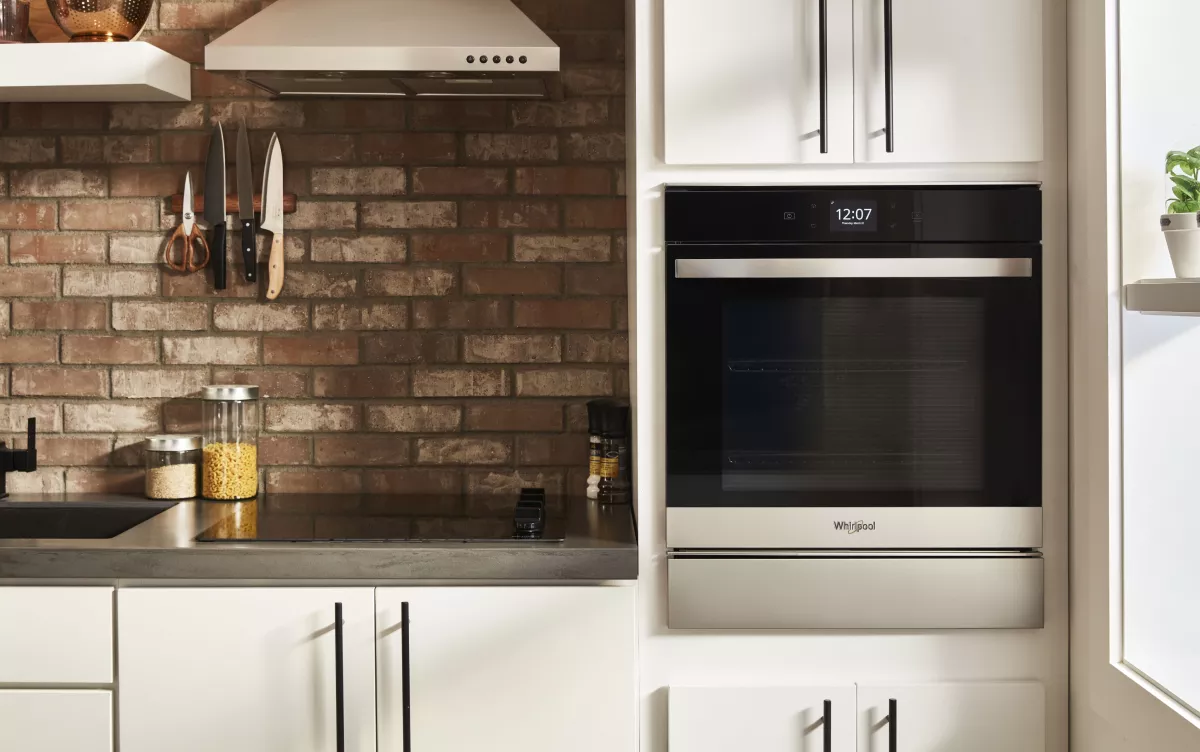
Credit: www.whirlpool.com
Inspecting Electrical Connections
When your electric oven turns on but does not heat, electrical issues might be the cause. Checking the electrical connections can help find the problem.
Loose or damaged wiring and poor power supply can stop the oven from heating. Careful inspection is important for safety and repair.
Checking Wiring And Terminals
Look for loose, burnt, or broken wires inside the oven’s control panel. Check the terminals where the wires connect to the heating element and control board.
Use a screwdriver to tighten loose connections. Replace wires that look damaged or have burnt marks. This can restore the flow of electricity to the heating element.
- Turn off power before checking wires
- Inspect wires for cuts or burns
- Tighten all terminal screws securely
- Replace damaged wires or terminals
Ensuring Proper Power Supply
Confirm the oven receives the right voltage from the power source. A low or no power supply can cause the oven to turn on but not heat.
Check the circuit breaker and power outlet. Reset any tripped breakers and test the outlet with another appliance to ensure it works.
- Verify circuit breaker is on and not tripped
- Test power outlet with a working device
- Check power cord for damage
- Make sure plug is fully inserted
Testing The Thermostat And Sensor
If your electric oven turns on but does not heat, the thermostat or sensor may be faulty. These parts control the oven temperature. Testing them can help find the problem.
Thermostats and sensors need to work right for the oven to heat properly. This guide will help you test these components safely.
Locating Components
First, find the thermostat and sensor inside your oven. The thermostat is usually behind the control panel. The sensor is inside the oven cavity.
You may need to remove some screws or panels to see these parts. Check your oven’s manual for exact locations.
- Thermostat: behind control knobs or panel
- Sensor: inside the oven, near the heating element
- Use a screwdriver to open panels carefully
Using Diagnostic Tools
Use a multimeter to test the thermostat and sensor. The multimeter checks if these parts have electrical continuity.
Set the multimeter to the ohms setting. Touch the probes to the thermostat or sensor terminals. A good part shows a low resistance reading.
- Turn off power to the oven first
- Remove thermostat or sensor from oven
- Set multimeter to ohms (Ω)
- Place probes on terminals
- Low or zero reading means it works
- High or infinite reading means it is faulty
Resetting Circuit Breakers And Fuses
If your electric oven turns on but does not heat, the problem might be in the power supply. Checking the circuit breakers and fuses can help fix this issue.
Resetting breakers or replacing fuses is a simple way to restore power and get your oven heating again.
Identifying Tripped Breakers
A tripped breaker stops electricity flow to the oven. It looks different from the others in your breaker box.
Look for a switch that is not fully on or that is in the middle position. This means the breaker has tripped.
- Open your breaker box door carefully.
- Find the breaker labeled for the oven or kitchen.
- Check if the switch is in the off or middle position.
- Flip the breaker fully off, then back on to reset it.
Replacing Blown Fuses
Older homes may have fuse boxes instead of breakers. A blown fuse breaks the circuit and cuts power to your oven.
To replace a fuse, first turn off all power to the fuse box. Then remove the blown fuse and replace it with one of the same size and rating.
- Turn off main power before handling fuses.
- Locate the fuse for the oven or kitchen.
- Look for a broken metal strip or darkened glass to identify a blown fuse.
- Use a fuse with the same amperage to replace the old one.
- Turn power back on and test the oven.
When To Call A Professional
An electric oven that turns on but does not heat can be frustrating. Sometimes, the problem is simple, but other times it needs expert help. Knowing when to call a professional keeps you safe and saves time.
If you try basic fixes and the oven still does not heat, it is best to seek help. Professionals have the tools and knowledge to fix complex issues properly.
Complex Electrical Issues
Electric ovens have many parts that work together. Some problems involve wiring or heating elements inside the oven. These issues need special skills to diagnose and fix.
Trying to repair electrical parts without experience can cause damage or injury. Professionals can safely check circuits, fuses, and connections.
- Faulty heating elements
- Broken wiring or loose connections
- Problems with the thermostat or control board
Warranty And Safety Concerns
Many ovens come with a warranty that covers repairs. Opening or fixing the oven yourself may void the warranty. A professional can keep your warranty intact.
Ovens use high heat and electricity, which can be dangerous. Professionals follow safety rules to prevent accidents like shocks or fires.
- Protect your warranty by using authorized service
- Reduce risk of electric shock or fire
- Ensure repairs meet safety standards
Preventive Maintenance Tips
Electric ovens may turn on but fail to heat due to common issues. Regular maintenance helps keep your oven working well.
Simple care tasks can prevent problems and extend the oven’s life. Follow these tips to avoid heating issues.
Regular Cleaning
Cleaning your oven often keeps dirt and grease from causing damage. Build-up can block heating elements and affect performance.
Use a soft cloth and mild cleaner to wipe inside and outside. Avoid harsh chemicals that may harm the oven parts.
- Clean spills immediately to prevent hard stains
- Remove crumbs from the bottom regularly
- Wipe heating elements gently without using water
- Keep oven vents clear to allow proper airflow
Routine Inspections
Check your oven often to catch small issues early. Look for signs like broken knobs or unusual noises.
Inspect heating elements for damage or wear. Replace parts that look burnt or cracked to maintain safe use.
- Test oven temperature with an oven thermometer
- Check the door seal for cracks or gaps
- Ensure electrical connections are secure and clean
- Listen for strange sounds during operation

Credit: www.kitchenaid.com
Frequently Asked Questions
Why Does My Electric Oven Turn On But Not Heat?
This issue often occurs due to a faulty heating element or a broken thermostat. Check if the element glows when on. If not, it may need replacement. Also, inspect the oven’s wiring and thermostat for faults.
How To Fix An Electric Oven That Won’t Heat?
First, unplug the oven and inspect the heating element for damage. Replace it if broken. Test the thermostat and oven control board for faults. If unsure, consult a professional technician to avoid electrical hazards.
Can A Blown Fuse Cause No Heat In An Oven?
Yes, a blown fuse or tripped circuit breaker can prevent the oven from heating. Check your home’s fuse box or circuit breaker panel. Reset or replace the fuse if necessary to restore power and heating function.
Is A Faulty Oven Thermostat Causing No Heat?
A faulty thermostat can stop the oven from heating properly. It controls the oven temperature. If it malfunctions, the oven might turn on but not heat. Testing and replacing the thermostat can solve this issue.
Conclusion
An electric oven that turns on but has no heat can cause frustration. Check the heating elements and thermostat first. Sometimes, a simple fix solves the problem. Safety matters—always unplug the oven before inspecting. If the issue stays, a professional technician can help.
Regular maintenance keeps your oven working well. Don’t ignore small signs of trouble. A warm oven means better cooking and less worry. Keep your kitchen safe and your meals hot.