

Picture this: you’re in the middle of baking a delicious cake, and just when you expect it to rise to perfection, you find that your electric oven isn’t maintaining the right temperature. Frustration bubbles up as you wonder what went wrong.
If you’ve ever faced this scenario, you’re not alone. Many home chefs encounter this common issue, and it can be both puzzling and disappointing. You’re about to discover the reasons why your electric oven might be playing tricks on you and, more importantly, how to fix it.
Imagine the satisfaction of confidently setting your oven to the perfect temperature, knowing that your meals and treats will turn out just as you envisioned. Stay with us as we delve into the simple solutions and expert tips that will transform your baking and cooking experience. Your perfectly baked cake is just a read away!
Common Causes Of Temperature Fluctuations
Electric ovens sometimes struggle to maintain a consistent temperature. This can lead to uneven cooking and frustration in the kitchen. Understanding the common causes behind these fluctuations can help you troubleshoot effectively. Addressing these issues can ensure your meals turn out perfect every time.
Faulty Thermostat
The thermostat regulates the oven’s heat. If it’s faulty, the oven can’t maintain the right temperature. This can result in undercooked or overcooked food. Checking the thermostat for accuracy can prevent these mishaps.
Broken Heating Element
The heating element is crucial for generating heat. A broken element means the oven won’t heat properly. Inspecting and replacing damaged elements can restore your oven’s function. This can help achieve consistent cooking results.
Malfunctioning Control Board
The control board manages the oven’s settings. A malfunction can disrupt temperature regulation. If the board is faulty, it might send incorrect signals. Ensuring the control board works correctly is vital for temperature stability.
Poor Insulation
Insulation keeps the heat inside the oven. Poor insulation lets heat escape, causing fluctuations. Inspecting the oven’s seals and insulation can improve heat retention. This ensures a more consistent cooking environment.
Diagnosing The Problem
When your electric oven isn’t maintaining the right temperature, it can turn cooking into a frustrating ordeal. Imagine planning a dinner party, only to find your roast is undercooked or your cake is burnt. Diagnosing the problem is the first step toward restoring your oven’s reliability. Let’s dive into the key areas that might be causing the issue.
Checking The Thermostat
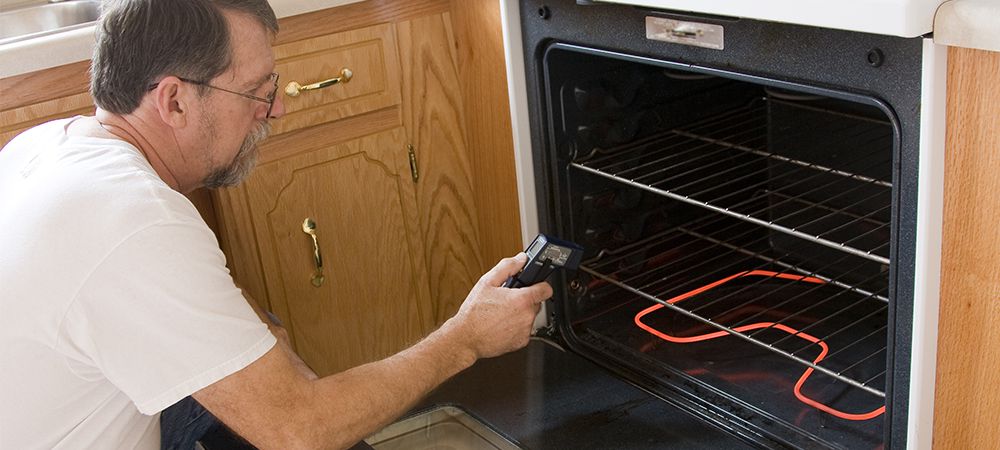
The thermostat is the brain behind your oven’s temperature regulation. If it’s faulty, your oven might not heat up properly or could overheat. Start by verifying the thermostat’s calibration. You can do this by placing an oven thermometer inside and comparing its reading to the oven’s displayed temperature. A significant difference indicates a problem.
Consider replacing the thermostat if calibration issues persist. It’s often a straightforward fix that can save you from further frustration. Have you ever tried recalibrating a thermostat? It’s surprisingly simple and could be your solution.
Inspecting The Heating Element
The heating element is the heart of your oven. A malfunction here means uneven heating or no heating at all. Check the element for visible damage like breaks or burns. These signs often point directly to the problem.
Testing the heating element’s functionality with a multimeter can reveal electrical issues. If you find it’s not working, replacing it is usually the best course of action. How did you first discover the heating element in your oven was the culprit?
Evaluating The Control Board
The control board acts like the oven’s command center, managing various functions. If it’s faulty, temperature maintenance can go haywire. Look for error codes or strange behaviors, such as unresponsive buttons, which might indicate control board issues.
Replacing a control board might seem daunting, but it can be a necessary step. What’s your experience with electronic repairs? Sometimes tackling the control board can feel like solving a complex puzzle.
Assessing Insulation Quality
Insulation keeps the heat inside your oven, ensuring consistent temperatures. Poor insulation can lead to heat loss, affecting cooking results. Inspect the oven door seal and the interior lining for wear and tear. Replacing worn insulation can improve efficiency.
Have you noticed drafts or inconsistent temperatures? Improving insulation could be your answer. Is your oven’s insulation as effective as it should be?
Diagnosing these issues can transform your oven into a reliable cooking partner once again. You’ll be back to hosting successful dinner parties in no time. What steps will you take to troubleshoot your oven? The solution might be simpler than you think.
Repair Solutions
Dealing with an electric oven that doesn’t maintain temperature can be frustrating. Fortunately, there are several repair solutions to address this issue. These solutions ensure your oven functions efficiently, making your cooking experience pleasant and hassle-free.
Replacing The Thermostat
The thermostat regulates the temperature inside the oven. A faulty thermostat can cause temperature fluctuations. To replace it, disconnect the power supply first. Remove the back panel to access the thermostat. Unscrew and detach the old thermostat, then install a new one. Reconnect wires securely before testing the oven.
Fixing Or Replacing The Heating Element
The heating element is crucial for maintaining heat. If it’s damaged, the oven won’t heat properly. Check for visible signs of damage such as burns or breaks. If damaged, remove the screws holding the element in place. Install a new heating element by attaching it to the brackets. Ensure the connections are tight and test the oven.
Repairing The Control Board
The control board sends signals to the oven’s components. If it malfunctions, the oven temperature may fluctuate. To repair it, first, switch off the power. Remove the control board cover. Inspect for burnt spots or loose connections. Replace damaged components or the entire board if needed. Secure all connections before restoring power.
Improving Oven Insulation
Proper insulation keeps the heat inside the oven. Poor insulation can lead to heat loss. Inspect the oven door seal for gaps or wear. Replace the seal if necessary. Check the insulation material around the oven cavity. If damaged, replace it with new insulation material. This helps maintain consistent temperature during cooking.

Credit: getaprocanada.ca
Preventive Maintenance Tips
Maintaining the perfect temperature in your electric oven is crucial for achieving delicious culinary results. But what happens when your oven refuses to cooperate? Regular preventive maintenance can help avoid such frustrating scenarios. It’s easier than you think. Here are some practical tips that will keep your oven in top shape and ensure it maintains the right temperature.
Regular Cleaning
Cleaning your oven regularly is more than just a chore; it’s a necessity. Grease and food residue can obstruct heat distribution. Use a mild cleaner and a soft cloth to wipe down the interior surfaces. Don’t forget to clean the racks and trays. A clean oven not only works better but also extends the appliance’s lifespan.
Routine Inspections
Ever noticed a slight flicker in the oven light or a strange sound? Routine inspections can catch these early signs of trouble. Check the door seals for wear and tear. If they’re loose or cracked, they might be the reason your oven isn’t holding its temperature. Take a few minutes to check wiring and connectors too. These small checks can prevent major issues down the road.
Temperature Calibration
Sometimes your oven might be heating, but not to the temperature you set. Calibration could be the answer. Invest in a simple oven thermometer. Place it inside and compare the reading with your setting. Adjust the oven settings if necessary. Calibration ensures your meals cook evenly and correctly.
Professional Servicing
Let’s face it, some problems require expert attention. If your oven still struggles to maintain temperature despite your best efforts, it might be time to call a professional. Regular servicing by a qualified technician can identify and fix hidden issues. Consider scheduling an annual service to ensure everything is in working order.
Have you ever found yourself frustrated with your oven’s unpredictable heating? These preventive maintenance tips could save you from culinary mishaps. Why not give them a try and see if your oven starts behaving better?
When To Seek Professional Help
When your electric oven starts acting up, it can be frustrating, especially when it doesn’t maintain the correct temperature. You might think about fixing it yourself, but there are times when professional help is the best option. Knowing when to call in the experts can save you time, money, and prevent further damage. Let’s dive into some specific scenarios that signal it’s time to seek professional assistance.
Complex Electrical Issues
Electric ovens are sophisticated appliances with complex wiring systems. If your oven’s temperature fluctuations are due to electrical issues, it’s best to leave it to the professionals. Attempting to fix wiring problems can be dangerous and could potentially worsen the situation. Imagine getting shocked or damaging your entire oven unit. Professionals have the right tools and expertise to diagnose and resolve electrical issues safely.
Persistent Temperature Problems
Have you tried every trick in the book, but your oven still won’t maintain the correct temperature? If recalibrating the thermostat or replacing the heating element hasn’t worked, it might be a deeper issue. Persistent temperature problems can be caused by faulty components that aren’t visible or accessible without specialized tools. Professionals can identify and replace these components to get your oven back to optimal performance. Are you ready to stop guessing and start cooking with confidence?
Safety Concerns
Safety should always be your top priority. If you notice burning smells, sparks, or smoke coming from your oven, it’s a serious red flag. These signs could indicate an electrical fire hazard. In such situations, turning off the oven and seeking professional help is crucial. Remember, your safety and that of your loved ones comes first. Why take unnecessary risks when a professional can ensure your oven is safe to use?
In these scenarios, professional help is not just an option—it’s a necessity. Your electric oven is an essential part of your kitchen, and ensuring it works safely and efficiently is worth the investment. Next time your oven acts up, ask yourself: Is this something I can handle, or is it time to call in the experts?

Credit: atechappliance.com
Credit: primeappliancerepairs.com
Frequently Asked Questions
Why Wont My Electric Stove Hold Temperature?
An electric stove may not hold temperature due to faulty thermostats, damaged heating elements, or electrical issues. Check for loose connections or defective components. Regular maintenance and professional inspection can help identify and resolve these problems effectively, ensuring consistent temperature control.
What Are The Symptoms Of A Bad Oven Thermostat?
A bad oven thermostat causes uneven cooking, fluctuating temperatures, or the oven not heating correctly. Food may burn or undercook. It can also result in the oven taking longer to preheat. A faulty thermostat often leads to inconsistent baking results and may cause the oven to shut off unexpectedly.
How To Fix Inconsistent Oven Temperature?
To fix inconsistent oven temperature, calibrate the oven using a thermometer. Clean the oven, ensuring proper heat circulation. Check and replace faulty heating elements or thermostats. Ensure door seals are intact to prevent heat loss. Regular maintenance helps maintain consistent temperature.
Why Does My Oven Lose Heat So Quickly?
Your oven might lose heat quickly due to a faulty door seal or damaged insulation. Check for gaps or cracks around the door. Malfunctioning thermostats can also affect temperature stability. Regular maintenance and inspections can help ensure optimal performance and prevent heat loss.
Conclusion
Fixing an electric oven’s temperature issues can be simple. Start by checking the thermostat settings. Cleaning the oven ensures proper heat circulation. Inspect the heating elements for signs of damage. Replacing faulty parts helps maintain even cooking temperatures. Seek professional help if problems persist.
Regular maintenance prevents future issues. Remember to follow the user manual for guidance. A well-functioning oven enhances your cooking experience. Enjoy consistent meals with a properly maintained appliance. Keep these tips in mind for a stress-free kitchen experience. Your oven should now perform reliably, making cooking enjoyable again.