

Have you ever wanted to bake crusty, golden bread at home but didn’t have a Dutch oven? You’re not alone.
Many people believe that a Dutch oven is essential for that perfect crust, but that’s not true. With the right technique, you can achieve a bakery-quality crusty bread using tools you already have. In this post, you’ll discover a simple, foolproof crusty bread recipe that skips the Dutch oven but keeps all the flavor and texture you love.
Ready to impress yourself and your family with homemade bread? Let’s get started!
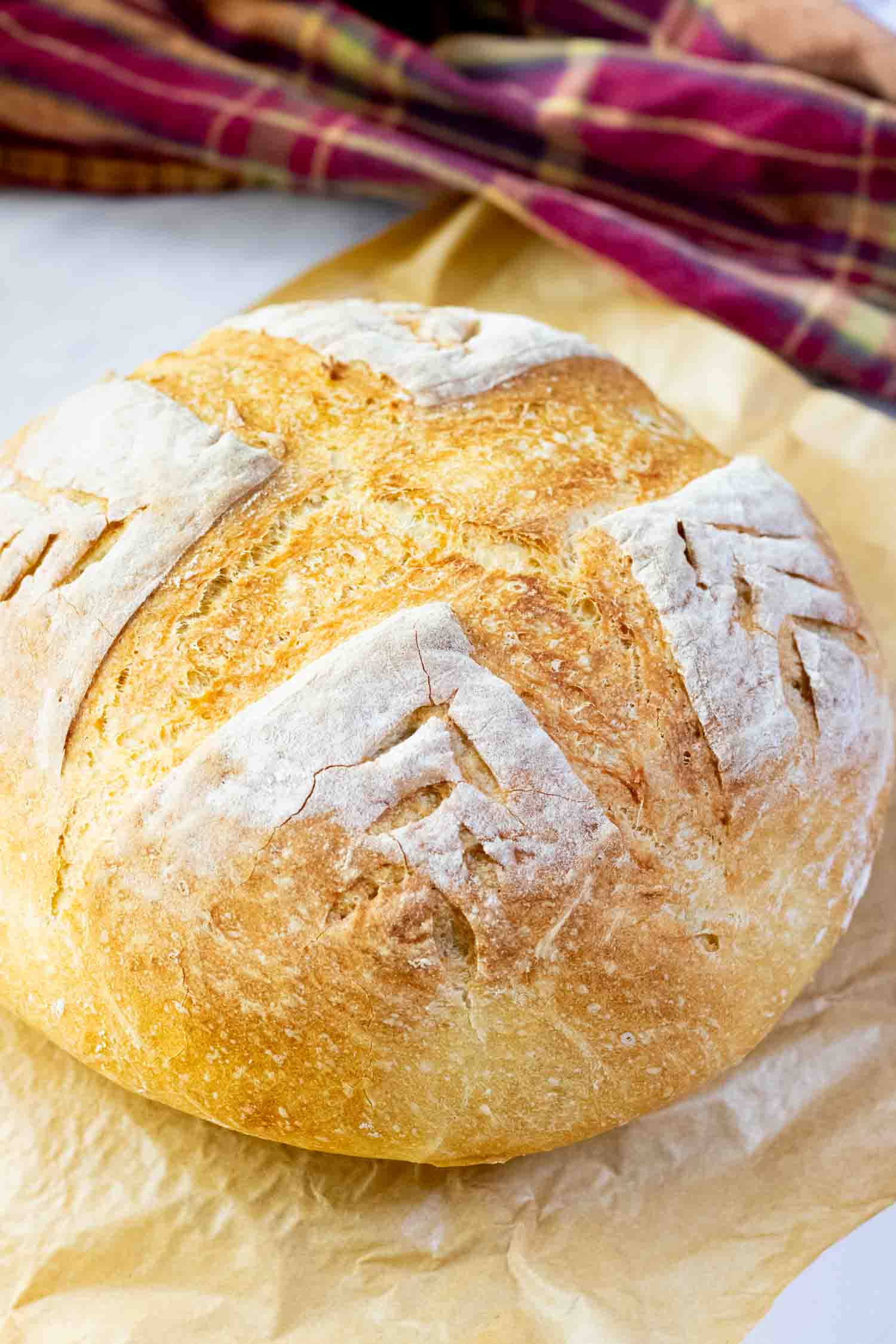
Credit: debbieskitchencorner.com
Ingredients Needed
Making crusty bread without a Dutch oven is simple. You only need a few basic ingredients.
These ingredients are easy to find. They help create a tasty, crunchy crust and soft inside.
All-purpose Flour
All-purpose flour is the main ingredient. It gives the bread structure and texture.
You need about 3 cups for a standard loaf. Use fresh flour for best results.
Active Dry Yeast
Yeast helps the bread rise. Use active dry yeast for a good rise and flavor.
One packet or 2 ¼ teaspoons is enough for this recipe.
Warm Water
Warm water activates the yeast. It should be about 110°F (43°C).
You need 1 ½ cups of warm water for the dough.
Salt
Salt adds flavor to the bread. It also controls yeast growth.
Use 1 ½ teaspoons of salt for this recipe.
Sugar
Sugar feeds the yeast and helps the bread brown.
Add 1 teaspoon of sugar to the dough.
Optional: Olive Oil
Olive oil adds moisture and flavor. It is not required but recommended.
Use 1 tablespoon of olive oil if you like.
Mixing The Dough
Mixing the dough is the first important step in making crusty bread without a Dutch oven. This process helps combine all ingredients well and starts gluten development.
Good mixing creates a sticky but smooth dough. It will rise better and form a nice crust when baked.
Gather Your Ingredients
Use simple ingredients like flour, water, salt, and yeast. Make sure to measure them accurately for best results.
- 3 cups all-purpose flour
- 1 ½ cups warm water
- 1 teaspoon salt
- ½ teaspoon active dry yeast
Combine Dry Ingredients First
Mix flour, salt, and yeast in a large bowl. Stir them together so they spread evenly.
Doing this helps the yeast activate well and the salt to distribute without killing the yeast.
Add Water Gradually
Pour warm water slowly into the dry mix. Use a spoon or spatula to mix as you add water.
Stop adding water when the dough looks sticky but holds together in a ball.
Mix Until Ingredients Combine
Stir the dough for about 2 to 3 minutes. Make sure all the flour is wet and no dry parts remain.
The dough will feel sticky. This is normal and helps create a good crust.
Avoid Overmixing
Do not mix the dough too long. Overmixing breaks gluten strands and makes bread dense.
Stop mixing when dough is smooth but still sticky. This helps the bread rise well.
First Rise Tips
The first rise is an important step in making crusty bread without a Dutch oven. It helps the dough develop flavor and texture.
Good rising conditions make the dough light and airy. This leads to a better crust and crumb.
Use Warm Water
Warm water helps yeast activate quickly. Use water around 75-80°F (24-27°C) for best results.
If the water is too hot, it can kill the yeast. If it is too cold, the rise will take longer.
Cover The Dough Properly
Cover your dough with a damp cloth or plastic wrap. This keeps the surface moist and stops a dry skin from forming.
A dry crust on the dough can stop it from rising fully. Keep it covered until it doubles in size.
Find A Warm Spot
Place the dough in a warm, draft-free place to rise. Ideal spots include near a heater or inside an off oven.
A consistent temperature helps the yeast work steadily. Avoid cold or windy areas that slow the rise.
Check Dough Size
Look for the dough to double in size before the next step. This means it has risen enough.
- Mark the bowl with a rubber band or tape
- Check after 1 hour and then every 15 minutes
- Do not rush the rise; it takes time
Avoid Overproofing
Do not let the dough rise too long. Overproofed dough can collapse and lose air pockets.
If it rises too much, punch it down gently and let it rise again for a shorter time.
Shaping The Loaf
Shaping the loaf is an important part of baking crusty bread. It helps the bread hold its shape while baking.
A good shape also helps create a nice crust and even baking inside the loaf.
Preparing The Dough Surface
Lightly flour your work surface before shaping. This stops the dough from sticking.
Use just enough flour to keep the dough easy to handle without drying it out.
Folding The Dough
Gently turn the dough onto the floured surface. Fold the edges toward the center.
This folding creates tension on the outside, which helps the loaf keep its shape.
- Fold one edge to the center
- Fold the opposite edge over
- Repeat for the other two sides
Shaping Into A Round Or Oval
After folding, shape the dough into a smooth ball or oval. Use your hands to pull it tight.
Turn the dough over and cup your hands around it. Move it in a circular motion to tighten the surface.
- For a round loaf, shape into a tight ball
- For an oval loaf, gently stretch the dough lengthwise
- Keep the surface smooth and taut
Resting The Shaped Dough
Let the shaped dough rest on a floured cloth or parchment paper. Cover it lightly with a towel.
This resting time lets the dough relax and rise slightly before baking.
- Place dough seam-side down
- Cover with a clean cloth
- Let it rest 30 to 60 minutes
Preparing For Baking
Making crusty bread without a Dutch oven needs careful preparation. This helps you get a nice crust and soft inside.
Before baking, you must prepare your dough, oven, and baking surface. This sets the stage for a perfect loaf.
Gathering Your Ingredients
Use simple ingredients like flour, water, yeast, and salt. Fresh ingredients give the best taste and texture.
- All-purpose or bread flour
- Warm water (not hot)
- Active dry yeast or instant yeast
- Fine salt
Preparing Your Dough
Mix ingredients until combined, then knead the dough well. Kneading helps gluten form and gives good bread shape.
Let the dough rise in a warm place until it doubles in size. This usually takes 1 to 2 hours.
Setting Up Your Baking Surface
Use a baking sheet or a heavy pan for baking. Preheat it in the oven to get it hot before placing the dough.
A hot baking surface helps create a crusty bottom on your bread without a Dutch oven.
- Place a metal baking sheet or cast-iron skillet in the oven
- Preheat oven to 450°F (230°C)
- Heat baking surface for at least 30 minutes
Preparing Steam For Crust
Steam in the oven makes the crust crisp. You can add steam by placing a pan with water or spraying water on oven walls.
- Place a shallow pan with hot water on the oven floor
- Spray water inside the oven before baking
- Remove water pan after first 10 minutes of baking
Baking Without Dutch Oven
Crusty bread usually needs a Dutch oven to get the perfect crust. You can still bake great bread without one. Use common kitchen tools and some simple tricks.
This guide will show how to bake crusty bread without a Dutch oven. Learn to use a baking sheet, cast iron skillet, and steam for a crunchy crust.
Using A Baking Sheet
A baking sheet works well for baking crusty bread. Place the dough on a preheated sheet to help the bottom cook evenly. Use parchment paper to stop sticking.
Heat the baking sheet in the oven before placing the dough. This gives the bread a quick burst of heat and helps form a crust. Make sure to slide the dough carefully onto the hot sheet.
- Preheat oven with baking sheet inside
- Use parchment paper to hold dough
- Slide dough onto hot baking sheet
- Bake until golden brown and crusty
Using A Cast Iron Skillet
A cast iron skillet mimics a Dutch oven well. It holds heat and helps create a crispy crust. You can bake the bread inside the skillet or use it to add heat to the oven.
Preheat the skillet before putting the dough in. You can cover the skillet with a lid or foil to trap steam. This keeps the bread moist inside and crusty outside.
- Heat cast iron skillet in the oven
- Place dough in skillet carefully
- Cover with lid or foil to trap steam
- Bake until crust is golden and firm
Creating Steam For Crust
Steam is important for a crunchy crust. It keeps the dough surface moist at first, allowing the bread to expand. The steam also helps form a shiny, thick crust.
You can create steam by adding water to a hot pan or spraying water inside the oven. Use a pan on the bottom rack with hot water or ice cubes. Spray water carefully after the bread goes in.
- Place a pan with hot water or ice in oven
- Spray water inside oven after dough enters
- Remove steam source after first 10-15 minutes
- Let bread finish baking uncovered
Cooling And Storing
After baking crusty bread without a Dutch oven, cooling and storing are key steps. Proper cooling keeps the crust crisp. Good storage keeps the bread fresh longer.
Skipping these steps can make your bread soggy or stale quickly. Follow simple tips to enjoy your bread at its best.
Cooling Your Bread
Take the bread out of the baking pan and place it on a wire rack. This lets air flow all around the bread. It stops moisture from building up under the loaf.
Cool the bread for at least one hour before slicing. Cutting too soon makes the crumb gummy and the crust soft.
Storing Your Bread
Store the bread at room temperature in a paper bag or bread box. These options keep the crust crisp and the inside soft. Avoid plastic bags, which trap moisture.
If you want to keep bread longer, freeze it. Slice first, then wrap tightly in plastic wrap and foil. Thaw slices at room temperature or toast them.
- Use a paper bag for short-term storage (1-2 days)
- Use a bread box to keep air circulating
- Freeze wrapped bread for up to 3 months
Troubleshooting Common Issues
Baking crusty bread without a Dutch oven can be tricky. Some common problems may happen during the process.
Here are some tips to fix dough and bread problems you might face.
Dough Too Sticky
Sticky dough is hard to shape and handle. It can happen if you add too much water or don’t use enough flour.
Try adding a little flour at a time while kneading. Also, let the dough rest to absorb moisture.
- Sprinkle flour on your hands and work surface
- Knead gently to avoid adding too much flour
- Rest dough for 10-15 minutes to reduce stickiness
Bread Not Crusty Enough
If your bread is soft outside, it might lack steam or high oven heat. Steam helps make a crispy crust.
Try adding water to a hot pan inside the oven or cover the bread with foil for the first baking minutes.
- Preheat oven to at least 450°F (230°C)
- Place a tray with water at the bottom of the oven
- Bake covered for 10-15 minutes, then uncover to brown
Dense Texture
Dense bread means the dough did not rise enough. This can happen if the yeast is old or the dough was too cold.
Make sure to use fresh yeast and keep the dough warm while rising. Give it enough time to double in size.
- Check yeast expiration date before use
- Let dough rise in a warm, draft-free place
- Wait for dough to double in size before baking
Variations And Add-ins
Crusty bread can be made in many ways without a Dutch oven. You can add flavors and textures to suit your taste. Try different ingredients to make your bread unique.
Add-ins like herbs, seeds, or whole wheat flour change the taste and health benefits. These simple changes make your bread more interesting and nutritious.
Herbs And Seeds
Fresh or dried herbs add nice flavors to crusty bread. Seeds give a crunchy texture and extra nutrition. Mix them into your dough before baking.
- Rosemary, thyme, or basil work well with bread
- Sunflower seeds, sesame seeds, and flaxseeds add crunch
- Use about 1-2 tablespoons of herbs or seeds per loaf
- Sprinkle some seeds on top for a nice finish
Whole Wheat Option
You can use whole wheat flour instead of all white flour. Whole wheat adds fiber and a nutty flavor. It makes the bread healthier but a bit denser.
Try replacing half or all of the white flour with whole wheat. You may need a little extra water because whole wheat absorbs more moisture.

Credit: humbly-homemade.com

Credit: www.emmafontanella.com
Frequently Asked Questions
How Do I Make Crusty Bread Without A Dutch Oven?
You can bake crusty bread on a baking sheet or cast iron skillet. Use steam by placing a pan of hot water in the oven. This creates moisture, helping develop a crispy crust without a Dutch oven.
What Ingredients Are Needed For Crusty Bread Recipe?
You need flour, water, yeast, and salt. Optional ingredients include sugar or olive oil for flavor. These basic ingredients create a simple dough for crusty bread.
Can I Use A Regular Oven To Bake Crusty Bread?
Yes, a regular oven works well. Preheat the oven to a high temperature (450°F or 230°C). Use steam by adding water to a hot pan inside the oven during baking for a crusty texture.
How Long Does It Take To Bake Crusty Bread?
Baking usually takes 25-30 minutes at 450°F (230°C). Preheat the oven and bake until the crust is golden brown and sounds hollow when tapped. Cooling time helps set the crust.
Conclusion
This crusty bread recipe without a Dutch oven works well at home. You can make fresh bread using simple tools. The steps are easy to follow and need few ingredients. Enjoy warm, crunchy bread anytime you want. Baking bread this way feels rewarding and fun.
Try it and share with family or friends. Fresh bread brings comfort and joy to any meal. Keep practicing to improve your baking skills. Simple, tasty bread is just a bake away.