
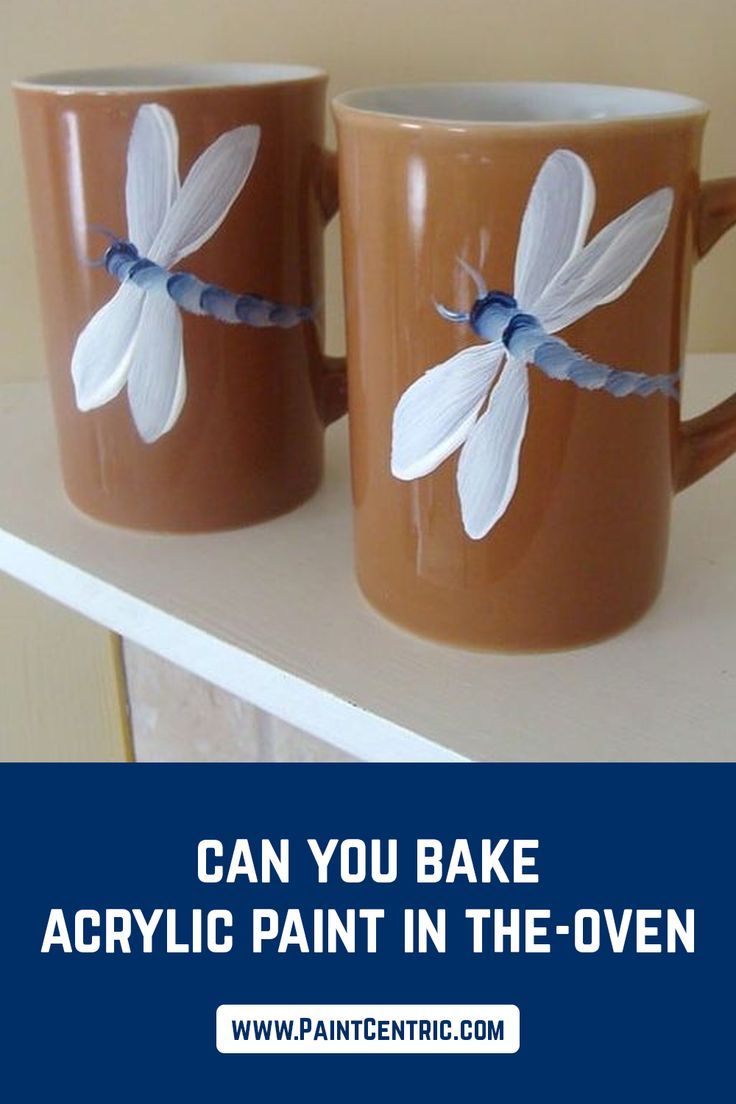
Have you ever wondered if you can put acrylic paint in the oven? Maybe you’re looking for a way to speed up the drying process or to add a unique finish to your art projects.
This question might have popped into your head, especially if you’re always on the lookout for creative ways to enhance your artwork. The answer isn’t as straightforward as you might think, and understanding the nuances can save your masterpiece or even prevent a potential disaster.
Dive into this article, and you’ll uncover the secrets and truths behind using your oven as a tool in your painting process. You’ll not only satisfy your curiosity but also empower your creative ventures with the knowledge you need. Ready to explore the art world with a touch of kitchen science? Let’s get started!

Credit: www.reddit.com
Acrylic Paint Basics
Acrylic paint is a versatile medium. Artists and crafters love it for its vibrant colors and quick drying time. Understanding the basics of acrylic paint can help you use it effectively. This section will guide you through the composition and common uses of acrylic paint.
Composition Of Acrylic Paint
Acrylic paint consists of three main components: pigment, binder, and vehicle. Pigment provides the color. The binder, usually an acrylic polymer, holds the pigment together. The vehicle, often water, keeps the paint in a fluid state. When the paint dries, the water evaporates. This leaves a durable, water-resistant layer. The composition allows for easy mixing and layering.
Common Uses Of Acrylic Paint
Acrylic paint is popular in arts and crafts. Artists use it for canvas paintings, murals, and even sculptures. It’s ideal for beginners due to its forgiving nature. You can easily correct mistakes by painting over them. Crafters use acrylic paint on wood, fabric, and ceramics. Its quick drying time makes it perfect for projects with tight deadlines. Acrylic paint is also safe for indoor use. It emits no strong fumes, making it suitable for home projects.
Baking Acrylic Paint
Baking acrylic paint is a technique used to set the paint. This method enhances durability and gives a glossy finish. It involves heating the painted item in an oven. But, not all surfaces are suitable for this process. Understanding the purpose and suitable surfaces is key.
Purpose Of Baking Paint
Baking paint makes it more durable. It prevents chipping and peeling. The heat helps the paint to cure faster. This results in a smooth, hard finish. Many artists and DIY enthusiasts use this method for better results. It provides a professional look to their projects. The process also enhances the color vibrancy.
Suitable Surfaces For Baking
Not all materials can withstand oven heat. Ceramics and glass are ideal for baking paint. These surfaces hold up well under high temperatures. Metal objects can also be baked safely. Ensure they are oven-safe and can handle the heat. Avoid plastics and wood. They can warp or melt in the oven. Always check the manufacturer’s instructions before baking any surface.
Safety Considerations
Using acrylic paint in the oven requires careful attention to safety. It’s important to understand the risks involved and follow guidelines. This ensures a safe and successful project.
Health Risks And Precautions
Acrylic paint releases fumes when heated. These fumes can be harmful if inhaled. Always ensure proper ventilation in the room. Open windows or use a fan to circulate air. Avoid using the kitchen oven where food is prepared.
Wear a mask to protect yourself from fumes. Keep children and pets away from the area. Some paints contain toxic chemicals. Check the label for safety information. Choose non-toxic, oven-safe acrylic paints.
Temperature Guidelines
Acrylic paint can withstand moderate heat. The safe temperature is usually below 300°F (149°C). Higher temperatures can cause the paint to bubble or peel. Preheat the oven and monitor the temperature closely.
Use a thermometer to check the oven’s accuracy. Avoid sudden temperature changes. This can damage both the paint and the object. Allow the painted item to cool slowly after baking.
Step-by-step Baking Process
Acrylic paint is versatile. You can bake it for durability. Follow a simple step-by-step process. This ensures your painted item stays vibrant and long-lasting.
Preparation Of Painted Item
Clean the item thoroughly. Dirt can affect the paint’s adhesion. Dry it completely before painting. Apply acrylic paint evenly. Let the paint dry for 24 hours. This ensures it’s fully set. Check for missed spots. Touch up if necessary.
Oven Settings And Timing
Preheat your oven to 300°F (150°C). Place the painted item on a baking sheet. Use parchment paper to avoid sticking. Bake for 30 minutes. This helps the paint bond with the surface. Monitor closely to prevent overheating. Turn off the oven and leave the item inside.
Cooling And Handling
Allow the item to cool inside the oven. This prevents cracks due to temperature change. Once cool, remove carefully. Handle with clean hands. Inspect the item for any defects. Store in a safe place.
Alternatives To Baking
Acrylic paint should not be put in the oven as it can release harmful fumes. Instead, consider air-drying or using sealants to preserve painted items. These methods ensure safety without risking toxic exposure or damage to your creations.
In the world of painting, acrylic paint offers vibrant colors. But many wonder if it’s safe to bake. Baking acrylic paint can release harmful fumes. It’s also risky for your oven. Fortunately, there are alternatives to baking that can preserve your artwork.Air Drying Techniques
Air drying is a safe and effective method. Place your painted item in a well-ventilated area. Ensure it’s away from dust and direct sunlight. This can prevent cracks and fading. Drying time varies by layer thickness. Thicker layers take longer to dry. Thin layers dry faster. Patience is key here. Let nature do its work.Sealing With Varnish
Sealing with varnish protects the paint. It adds a glossy or matte finish. Choose a varnish that suits your style. Apply it with a soft brush. Make sure the paint is completely dry first. A thin, even coat works best. Allow it to dry fully. This enhances durability and color vibrancy. Varnish acts as a shield, preserving your masterpiece.
Credit: www.youtube.com
Common Mistakes
Acrylic paint can bubble or crack if placed in the oven, risking damage to your artwork. Many assume this method sets paint faster, but intense heat can ruin the finish, making it crucial to avoid this common mistake.
Putting acrylic paint in the oven can be tricky. Many people think it’s a quick way to dry paint. But mistakes happen easily. Some errors can ruin your project. Let’s explore these common mistakes.Overheating Issues
Overheating is a frequent problem. Acrylic paint can bubble or crack under high heat. The oven must be set at a safe temperature. Always check the paint label for heat limits. A slow rise in temperature is safer. Never rush this process. Quick heat changes can damage your artwork.Incompatible Materials
Not all materials can handle oven heat. Some items warp or melt in high temperatures. Acrylic paint may not bond well with certain surfaces. Glass and ceramics are usually safe. But plastic is not a good choice. Always test a small area first. This prevents big mistakes. “`Expert Tips
Curious about using acrylic paint in the oven? It’s possible but needs caution. The paint can emit fumes if heated too much. Test a small piece first to ensure safety and quality.
When it comes to crafting with acrylic paint, one might wonder about the possibilities of enhancing their projects by baking them. Can you really put acrylic paint in the oven? Let’s delve into some expert tips that will help you achieve the perfect finish while ensuring the longevity of your creations. Whether you’re a seasoned artist or a DIY enthusiast, these insights will guide you through the process safely and effectively.Choosing The Right Paint
Not all acrylic paints are created equal, especially when it comes to heat. Opt for high-quality, oven-safe acrylic paints, specifically labeled as safe for baking. These paints are designed to withstand the heat without compromising the color or texture. Reading labels is crucial. Look for phrases like “oven-safe” or “bakeable” to ensure your paint can handle the heat. If you’re unsure, consult with staff at your local craft store who might have firsthand experience. Consider the end use of your painted object. If you’re painting a mug or a plate, ensure the paint is non-toxic and safe for contact with food. This small detail can make a big difference in your project’s success.Maintaining Finish And Longevity
Baking your painted item can enhance durability, but you must handle the process with care. Preheat the oven to a lower temperature, around 300°F (150°C), to prevent cracking or bubbling. Place your painted item on a baking sheet and ensure it’s stable. Bake for 30 minutes, then let it cool in the oven to avoid sudden temperature changes which can affect the finish. Once baked, apply a clear sealant to protect your artwork. This step is essential for items like mugs or plates that will see frequent use and washing. Remember, even baked acrylic paint can wear over time, so handle your creations gently. Have you ever tried baking your painted projects? What challenges did you face, and how did you overcome them? Feel free to share your experiences in the comments! Your insights could help others on their creative journey.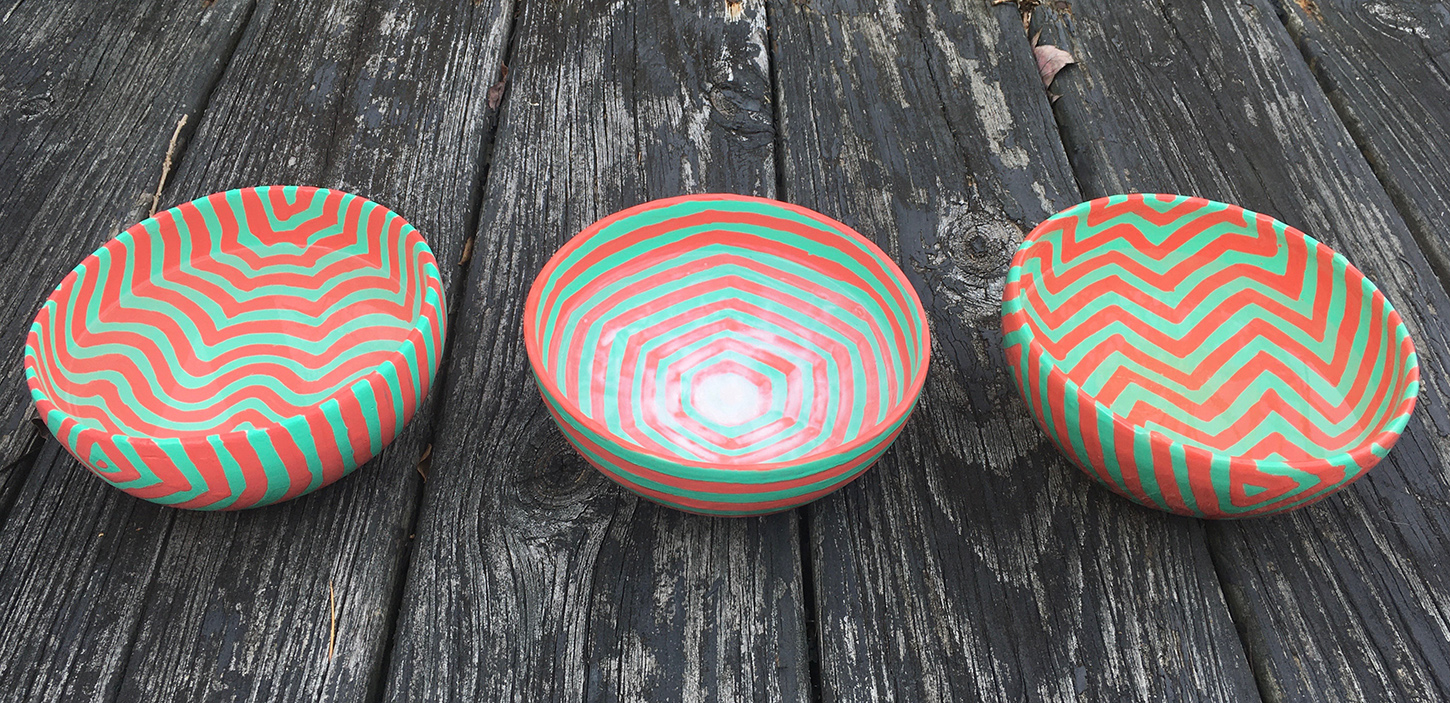
Credit: justpaint.org
Frequently Asked Questions
Can Acrylic Paint Withstand Oven Heat?
Acrylic paint is not designed to endure high temperatures. It may bubble or crack in the oven. Always check the paint’s label for heat tolerance. Generally, acrylics are not suitable for baking. Use heat-resistant paints for oven projects to ensure durability and safety.
Is Baking Acrylic Paint Safe?
Baking acrylic paint is not recommended due to potential toxicity. It can release harmful fumes when exposed to high temperatures. Ventilation is crucial if attempting this. Consider alternative methods like air drying or using heat-resistant paints for safer results.
How Do You Cure Acrylic Paint Safely?
To cure acrylic paint safely, allow it to air dry. Ensure the painted item is in a dust-free environment. Avoid high heat or direct sunlight. For added durability, consider applying a clear coat or sealant. This enhances the paint’s longevity without risking damage.
Can Acrylic Paint Be Used On Ovenware?
Acrylic paint is not suitable for ovenware due to heat exposure. It can chip or peel when baked. Use specialized heat-resistant paints for items intended for oven use. These paints ensure safety and maintain the integrity of your artwork.
Conclusion
Acrylic paint and ovens don’t mix well. Paint can release harmful fumes. It’s not safe for food-related items. Choose air-dry methods for crafts instead. They’re safer and more suitable. Always read paint labels for instructions. Safety should always come first.
Creative projects can be fun and safe. Select non-toxic paints for peace of mind. Your art deserves care and attention. Enjoy crafting without the risks. Happy painting and stay safe!