
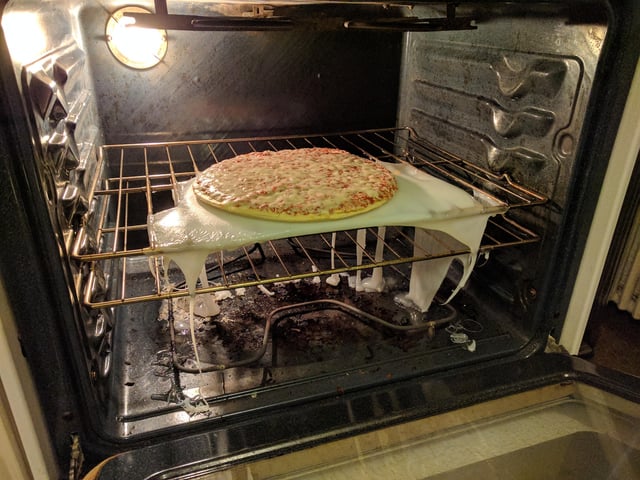
Have you ever found yourself wondering if your trusty wooden cutting board can safely handle the heat of your oven? It’s a question that might pop up when you’re looking to save time or get creative in the kitchen.
Imagine being able to effortlessly transition your prep surface into a cooking tool. But before you slide that board into the oven, it’s crucial to know whether it’s a kitchen hack or a recipe for disaster. You’ll discover the ins and outs of using wooden cutting boards in the oven.
So, if you’re curious about preserving your kitchen tools and preventing any culinary mishaps, keep reading to find out everything you need to know.
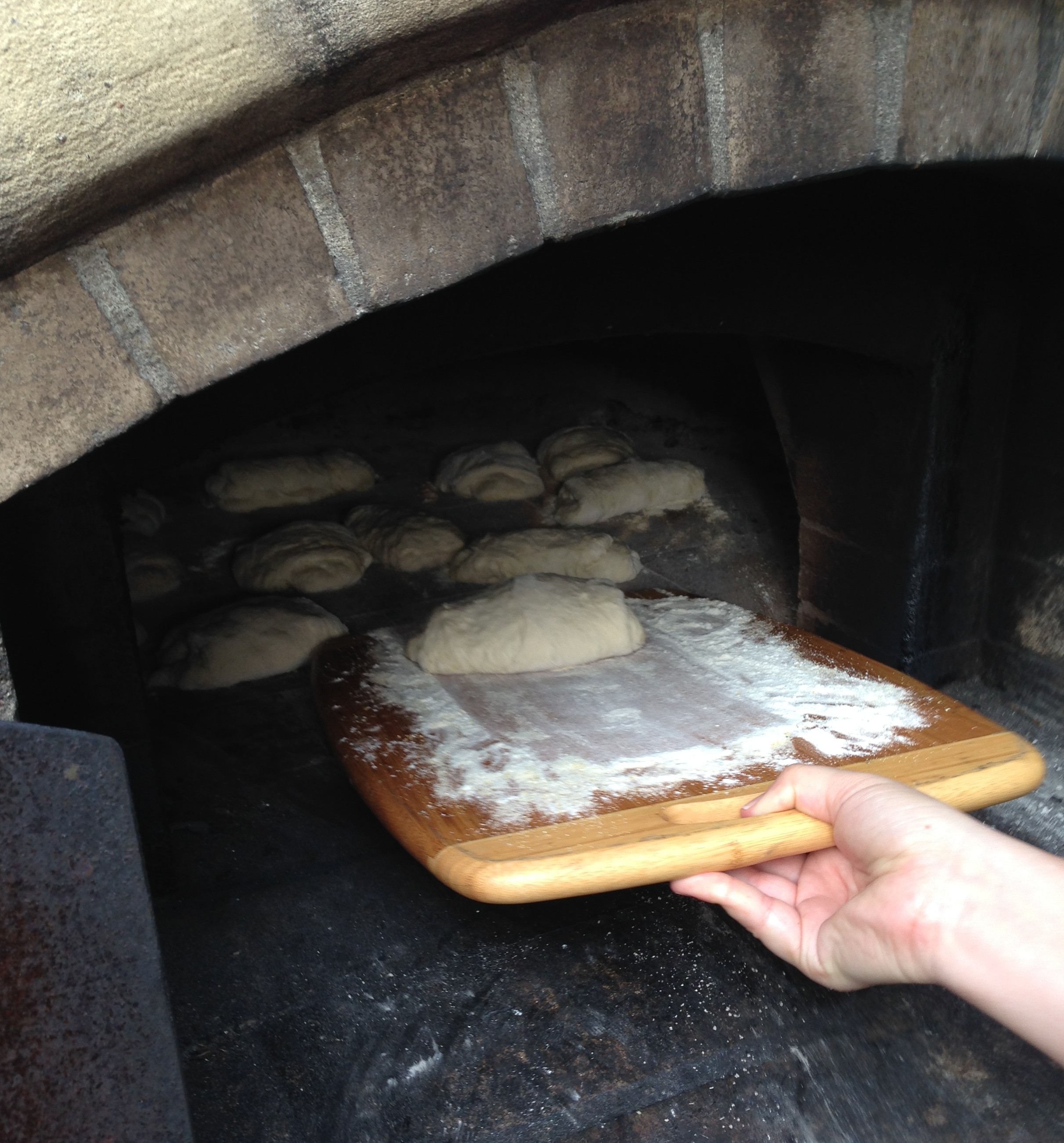
Credit: texasovenco.com
Wooden Cutting Board Basics
Placing a wooden cutting board in the oven can cause damage. The heat may warp or crack the wood. It’s best to keep wooden boards away from high temperatures to ensure longevity.
When you think of a wooden cutting board, you might picture it nestled on your kitchen counter, ready to assist with your culinary creations. But have you ever wondered about the basics of this essential kitchen tool? Understanding the core aspects of a wooden cutting board can make all the difference in how you use and maintain it. Let’s dive into its material composition and common uses to get a clearer picture.Material Composition
Wooden cutting boards are typically crafted from hardwoods like maple, walnut, or cherry. These types of wood are durable and can withstand the pressure of chopping and cutting. The natural grain of the wood not only adds to the aesthetic appeal but also helps in maintaining the knife’s sharpness. Interestingly, the choice of wood affects the board’s maintenance. For instance, bamboo boards are popular but may require more frequent oiling to prevent drying out. Ever tried slicing a juicy tomato only to have the board soak up the juice? That’s a sign your board might need some care.Common Uses
Wooden cutting boards are versatile and can be used for a variety of tasks in the kitchen. From chopping vegetables to serving cheese, they offer a sturdy surface for countless culinary activities. Have you ever used your board as a makeshift tray during a party? It’s a handy option when you run out of serving platters. However, it’s not just about chopping. You can use the board to tenderize meat or even as a base for rolling out dough. But remember, mixing raw meat and vegetables on the same board without cleaning isn’t the best practice. You might be tempted to place your wooden cutting board in the oven for some unconventional use. Before you do, consider if the board can withstand the heat without warping or cracking. It’s a question worth pondering if you want your board to last. Understanding these basics can help you make the most out of your wooden cutting board. How do you use yours, and have you ever pushed its limits?
Credit: www.reddit.com
Heat Exposure Risks
Using a wooden cutting board in the oven might seem like a creative way to warm food or enhance flavors, but it’s essential to understand the heat exposure risks involved. Wooden cutting boards are not designed for oven use, and exposing them to high temperatures can lead to potential damage and even fire hazards. Let’s delve into why putting your wooden cutting board in the oven might not be the best idea.
Potential Damage
Wood is a natural material that reacts unpredictably to heat. When subjected to high oven temperatures, your wooden cutting board can warp and crack. Imagine pulling out your favorite cutting board only to find it split and misshapen. This damage not only ruins the aesthetics but can also render the board unusable for chopping.
Besides warping, heat can also dry out the wood, causing it to lose its natural oils. A dry board is more susceptible to knife scars and can quickly become a breeding ground for bacteria. If you’ve ever tried cutting on a cracked board, you know how frustrating it can be. So, it’s wise to keep your wooden cutting board out of the oven.
Fire Hazards
Have you ever smelled burnt wood? It’s not pleasant. Placing a wooden cutting board in the oven can pose a serious fire hazard. Wood ignites at high temperatures, and your oven can easily reach those levels. A piece of wood catching fire in your kitchen is the last thing you need.
Consider this: even if the board doesn’t catch fire immediately, prolonged exposure to heat can weaken its structure. A weakened board is more likely to catch fire next time it’s exposed to direct heat. Ask yourself if the risk of a potential kitchen fire is worth the experiment.
Instead, explore safer alternatives for heating or enhancing flavors. If you’re tempted to put your cutting board in the oven, think twice. Protect your kitchen tools and ensure your home’s safety by keeping wooden items away from the oven.
Safe Alternatives For Heating
When considering heat exposure for kitchen items, safety is key. Wooden cutting boards are not suitable for the oven. They can warp or crack under high temperatures. Exploring safe alternatives ensures both safety and efficiency in your kitchen.
Oven-safe Materials
Oven-safe materials offer reliable options for heating. Glass, metal, and ceramic are excellent choices. They withstand high temperatures without damage. Each material has unique benefits. Glass is non-reactive and shows food clearly. Metal heats quickly and is durable. Ceramic provides even heat distribution.
Proper Tools For Cooking
Using the right tools enhances cooking safety. Silicone mats and parchment paper are great for baking. They prevent food from sticking and withstand oven heat. Metal baking sheets and glass dishes are safe for roasting. Ensure your tools are labeled as oven-safe. This precaution avoids unexpected mishaps.
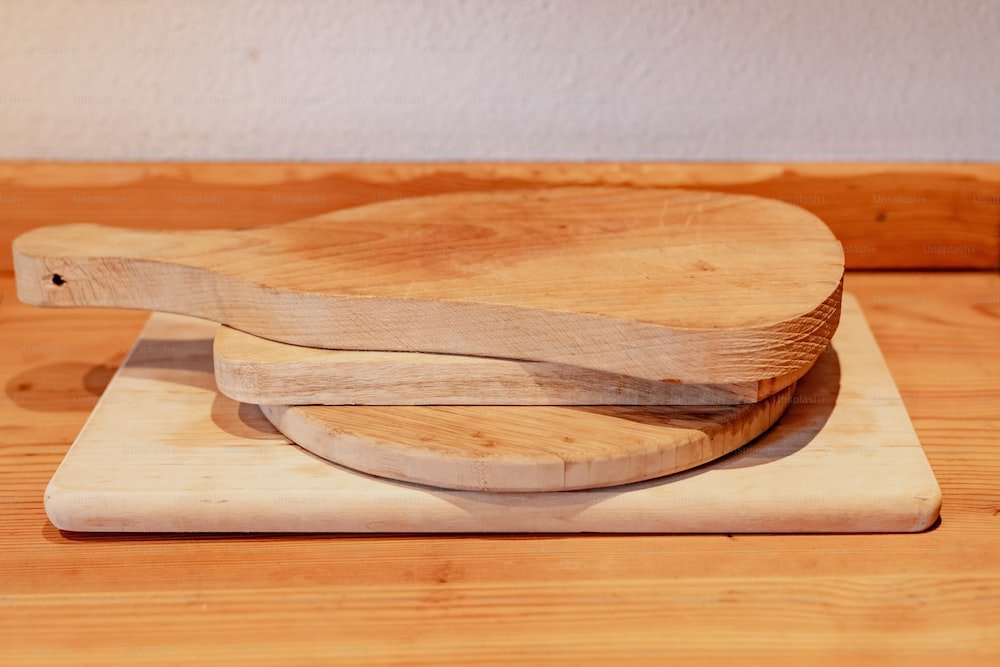
Credit: mariascondo.com
Maintenance And Care
Placing a wooden cutting board in the oven can damage it. Heat can cause cracking or warping. Instead, clean it with warm soapy water and let it air dry. Regular oiling helps maintain its condition.
Maintaining and caring for your wooden cutting board is crucial if you want it to last for years. Unlike other kitchen tools, wooden cutting boards require a bit more attention due to their natural material. But don’t worry; with the right techniques, you can keep them in excellent condition. Let’s dive into how you can effectively clean and store your wooden cutting board to ensure it stays in tip-top shape.Cleaning Techniques
Cleaning your wooden cutting board properly is essential to prevent bacteria buildup. After each use, rinse the board with warm water and mild soap. Avoid soaking it, as prolonged exposure to water can cause the wood to warp or crack. For deeper cleaning, sprinkle coarse salt on the board and scrub with a lemon cut in half. This helps remove stubborn stains and odors. You can also use a mixture of vinegar and water for a natural disinfectant. Remember to dry your board immediately after washing to maintain its integrity.Proper Storage
Storing your wooden cutting board correctly can prolong its life. Keep it in a dry, ventilated area to prevent moisture buildup. Leaning it against a wall or placing it upright allows air circulation, reducing the risk of mold. Avoid storing your board in direct sunlight. The heat can dry out the wood, making it brittle. You might be tempted to stack it with other boards, but this can lead to scratches. Consider hanging it on a wall or placing it on a dedicated rack to avoid damage. Have you ever thought about the impact of storage on your cutting board’s lifespan? Proper care can make a huge difference. Treat it well, and your wooden cutting board will continue to serve you delicious meals for years to come.Innovative Uses For Wooden Boards
Wooden cutting boards are versatile. They do more than just chopping. Their beauty and strength allow for a range of creative uses. This transforms your kitchen and home. Let’s explore some innovative ways to use wooden boards.
Serving And Presentation
Wooden boards elevate your dining experience. Use them to serve cheese, meats, and fruits. They add a rustic touch to your table. Guests will admire the natural beauty. Boards make any meal feel special.
For parties, arrange snacks on the board. It keeps things tidy and stylish. A wooden board can also be a base for hot dishes. This protects your table while adding elegance.
Creative Diy Projects
Get creative with old wooden boards. Turn them into wall art. Paint or stencil designs for a personal touch. They make great decorative pieces for any room.
Use boards as picture frames. Attach photos with clips or glue. This gives a unique way to display memories. Want more? Create a chalkboard. Paint the board with chalkboard paint. It’s perfect for lists or doodles.
Wooden boards are more than kitchen tools. Their potential is limitless. Use them to express creativity and style.
Frequently Asked Questions
Can A Wooden Cutting Board Catch Fire In The Oven?
Wooden cutting boards can catch fire if exposed to high temperatures. Ovens can reach temperatures that are unsafe for wood. It’s recommended to avoid placing wooden cutting boards in the oven to prevent fire hazards.
Is It Safe To Dry A Wooden Board In The Oven?
Drying a wooden board in the oven is not safe. High heat can cause wood to warp or crack. Instead, air-dry the board at room temperature, ensuring it’s placed in a ventilated area.
What Happens If You Heat Wood In An Oven?
Heating wood in an oven can lead to warping, cracking, and possible fire risks. The wood can dry out excessively, losing its integrity. Always avoid placing wooden items in the oven to maintain their quality.
Can You Sanitize Wood In The Oven?
Sanitizing wood in the oven is not recommended. High heat can damage the wood’s structure. Use alternative methods like vinegar or diluted bleach solutions. These are effective and safe for maintaining the wood’s condition.
Conclusion
Cooking with wooden boards requires caution. They can’t handle high oven heat. Wood can crack or burn, ruining your board. It’s best to use them for cold foods or room-temperature prep. To keep your board safe, avoid extreme temperatures. Consider alternatives like baking sheets or metal trays for oven use.
They withstand heat better. Remember, preserving your cutting board extends its life. Enjoy cooking with the right tools. Keep your kitchen safe and efficient. Always choose the right equipment for each task. Your meals depend on it.