
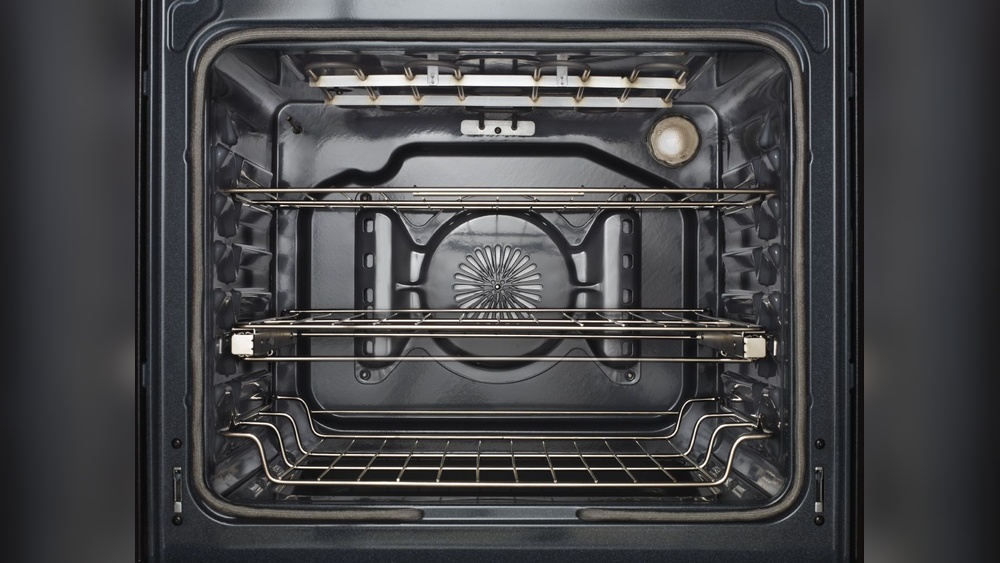
Is your oven’s bottom element not heating up? This can be frustrating, especially when you’re ready to cook a meal or bake your favorite dish.
You might wonder why your oven isn’t working properly and how to fix it quickly. Understanding what causes this problem and the simple steps you can take could save you time and money. Keep reading to discover easy solutions that get your oven back to perfect cooking in no time.
Credit: www.reddit.com
Common Causes
The bottom element of an oven is vital for even cooking and baking. When it stops working, the oven cannot heat properly. Several common causes can lead to this problem. Knowing these causes helps in troubleshooting and fixing the issue faster.
Heating Element Damage
The heating element can burn out after long use. It may show visible signs like cracks or blisters. A damaged element cannot produce heat, making the oven cold. Replacing the element often solves the problem.
Faulty Wiring
Wiring connects the heating element to power. Loose or broken wires stop electricity flow. This issue prevents the element from heating up. Checking wiring for damage or loose connections is important.
Thermostat Issues
The thermostat controls oven temperature. A faulty thermostat may send wrong signals. It can stop the element from heating correctly. Testing or replacing the thermostat may restore function.
Control Board Problems
The control board manages oven operations. A malfunctioning board might fail to power the element. Signs include no heat or error codes. Professional repair or replacement is often needed.

Credit: www.youtube.com
Safety First
Safety is the top priority when dealing with oven problems. The bottom heating element not working can be dangerous. Taking the right steps prevents accidents and injuries. Always follow safety rules before starting any repair work.
Power Off The Oven
Unplug the oven from the power source first. If the oven is hardwired, turn off the circuit breaker. This stops electricity flow to the oven. Avoid touching any wires or metal parts after power is off. Confirm the oven is completely off before proceeding.
Use Protective Gear
Wear gloves to protect your hands from sharp edges. Safety glasses shield your eyes from dust and debris. Use long sleeves to prevent cuts and burns. Protective gear keeps you safe during repairs. Never handle electrical parts with wet hands.
Check For Gas Leaks
For gas ovens, checking leaks is critical. Smell around the oven for a gas odor. Use a soap and water solution on connections to see bubbles. If bubbles appear, gas is leaking. Turn off the gas supply immediately and call a professional. Do not try to fix gas leaks alone.
Basic Troubleshooting
Basic troubleshooting helps find simple problems with your oven’s bottom heating element. It saves time and can avoid unnecessary repairs. Start with easy checks before calling a technician. Follow these steps carefully to spot common issues.
Inspect The Heating Element
Look at the bottom heating element inside the oven. Check for visible signs of damage like cracks, burns, or breaks. A damaged element will not heat properly. Replace it if you see any damage.
Test The Electrical Connections
Turn off the oven power before checking wires. Make sure the wires connected to the element are tight and not burnt. Loose or damaged wires can stop the element from working. Fix any loose connections or replace damaged wires.
Reset The Oven
Sometimes the oven’s system needs a reset. Turn off the oven at the circuit breaker or unplug it. Wait for 5 minutes. Turn the power back on. This can clear simple errors and restore the element’s function.

Credit: www.instructables.com
Repair Steps
Repairing the bottom element of an oven is a common task. Many problems come from faulty parts or simple connection issues. Follow these steps carefully to fix the oven yourself. This saves time and money compared to calling a technician.
Replace The Heating Element
First, unplug the oven for safety. Remove the bottom panel inside the oven. Check the heating element for visible damage or breaks. If it looks damaged, order a replacement element that fits your oven model. Unscrew the old element and disconnect its wires. Attach the wires to the new element and secure it in place. Replace the panel and plug the oven back in. Test if the oven heats properly now.
Fix Loose Wiring
Loose wiring can stop the bottom element from working. Open the oven panel to access the wires. Look for wires that are disconnected or burnt. Tighten any loose connections carefully. Replace wires that look damaged or worn out. Use electrical tape or wire nuts to secure connections. Close the panel and power on the oven. Check if the heating element works again.
Adjust Or Replace The Thermostat
The thermostat controls the oven temperature. If it is faulty, the element may not heat. Use a multimeter to test the thermostat’s resistance. If readings are off, the thermostat might need adjustment or replacement. To replace, disconnect power and remove the control panel. Take out the old thermostat and install a new one. Reassemble the oven and test the heating function.
When To Call A Professional
Knowing when to call a professional can save time and avoid damage. Some oven problems need special tools and skills. Trying to fix complex issues alone can be risky. A trained technician can diagnose and fix problems safely and quickly.
Complex Electrical Issues
Ovens have electrical parts that can be dangerous. Faulty wiring or shorts need expert attention. A professional can test circuits and find hidden problems. This prevents fire hazards and further damage.
Control Board Replacement
The control board manages oven functions. If it breaks, the oven may not heat properly. Replacing the board requires skill and the right parts. A technician can ensure the new board works correctly.
Persistent Oven Problems
Some issues come back despite repairs. Persistent problems may hide deeper faults. Experts can run detailed checks to find the cause. Fixing these problems fully requires professional help.
Preventive Tips
Preventing issues with the bottom element of your oven helps keep it working longer. Simple daily habits make a big difference. These tips protect your oven and save repair costs.
Regular Maintenance
Check the bottom element for signs of damage every few months. Look for cracks or burn marks. Replace the element if you see damage. Testing with a multimeter ensures it works properly. Scheduling regular inspections keeps problems small.
Avoid Overloading The Oven
Do not put too many dishes inside at once. Overloading blocks heat flow and stresses the bottom element. Spread food evenly on racks to allow air circulation. This helps the oven heat evenly and lasts longer.
Keep The Oven Clean
Wipe spills and crumbs quickly to stop buildup. Grease and food debris can cause the element to overheat. Use gentle cleaners and avoid harsh chemicals. A clean oven maintains good heat distribution and element health.
Frequently Asked Questions
Why Is The Bottom Oven Element Not Heating?
The bottom oven element may fail due to wear, electrical issues, or a faulty thermostat. Check for visible damage or test with a multimeter for continuity.
How To Test If The Bottom Oven Element Is Faulty?
Unplug the oven and remove the element. Use a multimeter to check for continuity. No continuity means the element is defective and needs replacement.
Can A Blown Fuse Cause The Oven Element Failure?
Yes, a blown fuse or tripped circuit breaker can cut power to the bottom element. Inspect and replace fuses or reset breakers to restore function.
How Long Does An Oven Element Typically Last?
Oven elements usually last 3-5 years depending on use. Frequent high-temperature cooking or spills can shorten their lifespan, requiring earlier replacement.
Conclusion
A bottom element that does not work can stop your oven from heating. Check the element for damage or loose connections first. Sometimes, cleaning or tightening parts fixes the problem. If it still won’t work, the element may need replacement.
Always turn off power before inspecting your oven. Taking quick action saves time and avoids bigger repairs. A working oven means better meals and less stress. Keep your appliance in good shape to enjoy cooking every day. Simple care goes a long way.