
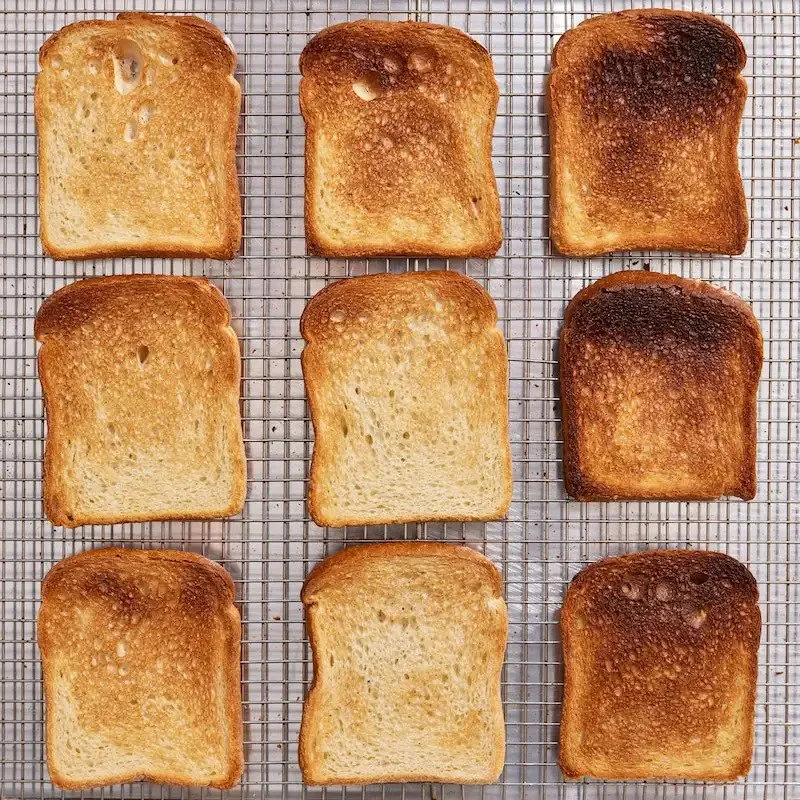
Have you ever thought about why all bread doesn’t taste the same? Even though it looks similar, every loaf has its own story.
The phrase “All Bread is Not Baked in One Oven” is more than just a saying—it’s a reminder that variety matters. Whether you’re choosing bread for your breakfast or a special recipe, knowing this can change the way you pick and enjoy it.
Keep reading, and you’ll discover why understanding this simple truth can make a big difference in your daily meals.
Credit: www.melaniemay.com
Bread Varieties Around The World
Bread is a staple food in many cultures. Each region has its own unique types of bread.
Different climates, ingredients, and traditions create many bread varieties worldwide.
Traditional Breads By Region
Each part of the world has special breads that reflect local customs and history.
For example, Europe has many types of crusty breads, while Asia offers soft, steamed varieties.
- Europe: Baguette from France, Ciabatta from Italy, Rye bread from Germany
- Asia: Naan from India, Mantou from China, Lavash from Armenia
- Middle East: Pita bread, Khubz
- Americas: Cornbread in the US, Tortillas in Mexico
- Africa: Injera from Ethiopia, Chapati from East Africa
Unique Ingredients In Different Cultures
Bread recipes change with the ingredients available in each region.
Some breads use special grains, seeds, or spices that add distinct flavors.
- Teff flour in Ethiopian injera gives a sour taste.
- Sesame seeds on Middle Eastern bread add crunch and aroma.
- Maize or cornmeal in American cornbread gives sweetness and texture.
- Spices like cumin or fennel seeds appear in Indian and Turkish breads.
- Olive oil is common in Mediterranean breads for a soft crumb.
Shaping And Scoring Techniques
Shaping bread dough and scoring the crust differ by culture and bread type.
These methods affect how bread bakes and looks.
- Baguettes are long and thin with diagonal cuts on top.
- Round loaves like boule often have a star or cross pattern scored.
- Flatbreads like pita are rolled thin and baked quickly to puff up.
- Twisted or braided breads appear in some European and Middle Eastern traditions.
- Steamed breads like mantou have smooth, round shapes without scoring.
Baking Methods Explored
Baking bread is an art that varies with the oven and technique used. Each method changes the bread’s texture and flavor.
Understanding different baking methods helps you appreciate how bread gets its unique qualities.
Oven Types And Their Impact
Ovens come in many types. Each oven bakes bread in a special way. The heat source and airflow change the crust and crumb.
For example, wood-fired ovens give bread a smoky flavor and a crispy crust. Electric ovens bake evenly but may lack that wood taste.
- Wood-fired ovens:High heat and smoky flavor
- Electric ovens:Even heat, consistent results
- Convection ovens:Fans circulate heat for uniform baking
- Steam ovens:Add moisture for soft crusts
Alternative Baking Techniques
Not all bread is baked in a traditional oven. Some use different heat sources or tools. These change how the bread cooks.
Techniques like baking on a stone, using a Dutch oven, or grilling bread add unique textures and flavors.
- Stone baking:Uses hot stones for even heat
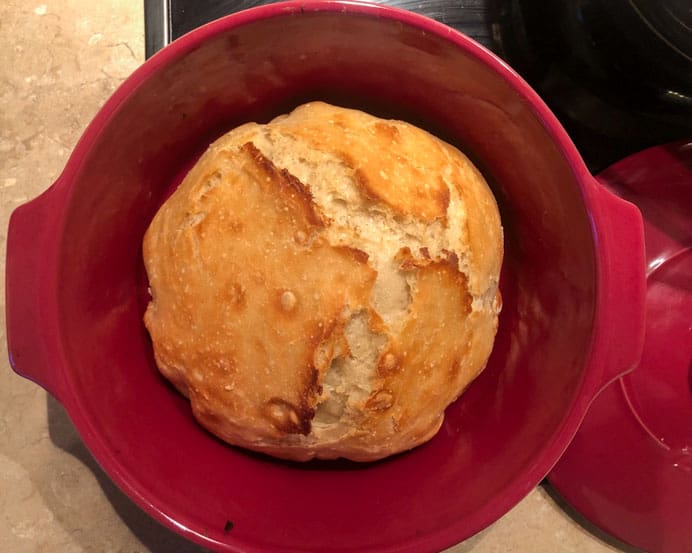
- Dutch oven baking:Traps steam for a soft inside and crispy crust
- Grilling:Adds smoky taste and grill marks
Artisanal Vs Commercial Baking
Artisanal baking uses hands-on methods and small batches. It focuses on quality and traditional recipes.
Commercial baking makes large amounts quickly. It uses machines and standard recipes for consistency.
- Artisanal baking:Slow process, unique bread, natural ingredients
- Commercial baking:Fast production, uniform shape, longer shelf life
Secrets Behind Perfect Crusts
Not all bread is baked the same way. The crust can change a lot based on how you bake it. A good crust adds flavor and texture.
Understanding the baking process helps you get that perfect crust every time. Small changes can make a big difference.
Steam And Temperature Control
Steam in the oven helps the crust stay soft at first. This allows the bread to rise fully. After a few minutes, the steam leaves, making the crust hard and crunchy.
Oven temperature also affects the crust. High heat makes the crust brown and crispy. Lower heat can make the crust pale and soft.
- Use steam for the first 10-15 minutes of baking
- Start baking at a high temperature (around 450°F or 230°C)
- Reduce temperature to finish baking and brown the crust
Dough Hydration Levels
Dough hydration means how much water is in the dough. More water makes the dough wetter and softer. This helps create a crust with big bubbles and holes.
Less water makes the dough stiff. The crust will be thick and chewy. Bakers change water levels to get different crust textures.
- High hydration (70% or more) creates open crumb and crispy crust
- Medium hydration (60%-70%) gives balanced crust and crumb
- Low hydration (below 60%) results in dense crumb and thick crust
Fermentation And Proofing Times
Fermentation is when yeast makes the dough rise. Proofing is the final rise before baking. Both affect the crust and flavor.
Longer fermentation and proofing create better flavor and a thinner crust. Short times make the crust thick and less tasty.
- Cold fermentation slows yeast for more flavor
- Room temperature proofing speeds up rising
- Over-proofing can cause flat bread with poor crust
Innovations In Bread Making
Bread has been a staple food for thousands of years. Today, bakers use new ideas to make bread better and different.
These innovations help improve taste, texture, and nutrition. They also make baking easier and more efficient.
Use Of Sourdough Starters
Sourdough starters are natural mixtures of flour and water. They capture wild yeast and bacteria from the environment.
Using these starters creates bread with a unique flavor. It also helps the bread last longer without preservatives.
- Improves bread flavor with natural fermentation
- Enhances texture and crust quality
- Increases shelf life naturally
Incorporating Ancient Grains
Ancient grains like quinoa, spelt, and amaranth are becoming popular in bread making. They add new tastes and nutrients.
These grains often have more fiber and protein than regular wheat. Using them helps create healthier bread options.
- Adds variety in flavor and texture
- Boosts nutritional value
- Offers gluten-free or low-gluten choices
Modern Equipment And Technology
Bakers now use machines that control temperature and humidity. These tools help create consistent bread quality.
Technology also speeds up mixing, proofing, and baking. This saves time and reduces waste in bakeries.
- Precise control of baking conditions
- Faster dough mixing and rising
- Improved energy efficiency
Cultural Significance Of Bread
Bread is more than food in many cultures. It carries deep meanings and stories.
Different peoples bake bread in unique ways. These ways show their history and values.
Bread In Religious Traditions
Bread plays a key role in many religions. It often symbolizes life and blessings.
In Christianity, bread represents the body of Christ during communion. In Judaism, challah bread is eaten on the Sabbath.
- Christian communion uses bread to remember Jesus
- Jewish Sabbath includes special braided bread
- In Islam, bread is shared to show charity
Celebrations And Festivals
Bread is a part of many festivals worldwide. It brings people together during happy times.
Special breads mark holidays like Christmas, Easter, and harvest festivals. These breads often have unique shapes and ingredients.
- Panettone is a sweet bread for Christmas in Italy
- Hot cross buns are eaten during Easter in some countries
- Harvest festivals use bread to thank the earth
Symbolism And Rituals
Bread symbolizes many ideas like life, sharing, and hospitality. People use it in rituals to show respect.
In some cultures, breaking bread means making peace or welcoming guests. Bread can also mean hard work and reward.
- Breaking bread signals friendship and trust
- Offering bread shows honor to visitors
- Baking bread can represent effort and care

Credit: countryroadssourdough.com

Credit: www.melaniemay.com
Frequently Asked Questions
What Does “all Bread Is Not Baked In One Oven” Mean?
This phrase means that not everything is created in the same way. It emphasizes diversity and uniqueness in processes and results. Just as different breads require different baking methods, various situations in life need unique approaches. It highlights the importance of understanding and appreciating differences.
Why Is Diverse Baking Important?
Diverse baking allows for creativity and innovation in recipes. Different techniques and ingredients can produce unique flavors and textures. It caters to various dietary needs and preferences, making baked goods accessible to more people. Embracing diversity in baking can lead to delightful, unexpected culinary experiences.
How Can One Appreciate Baking Diversity?
Appreciating baking diversity involves trying different recipes and methods. Explore various cultural breads and pastries to understand their uniqueness. Attend baking workshops or watch tutorials to learn new techniques. Sharing these experiences with others can enhance appreciation for the diverse world of baking.
What Are Examples Of Unique Bread Baking Methods?
Unique bread baking methods include sourdough fermentation, steam baking, and using a wood-fired oven. Each technique imparts distinct flavors and textures to the bread. Exploring these methods can lead to a deeper understanding of the art and science behind baking, enriching your culinary skills.
Conclusion
Bread comes in many shapes, tastes, and styles. Each kind has its own story and method. Bakers use different ovens, ingredients, and times to create variety. This shows how diverse bread really is. Next time you eat bread, think about its unique journey.
Taste the difference that makes each loaf special. Bread is not just food; it is culture and tradition too. Celebrate the many ways bread brings people together.