

Have you ever reached for a box of lasagna noodles, only to realize they’re not oven ready? It’s frustrating when you’re ready to make a delicious meal, but the noodles need extra steps before baking.
Don’t worry—this guide will help you understand why some lasagna noodles aren’t oven ready and show you exactly how to prepare them perfectly every time. By the end, you’ll feel confident and ready to create a lasagna that’s just as tasty and satisfying as you imagined.
Keep reading to avoid common mistakes and get your lasagna dinner on the table without any hassle.
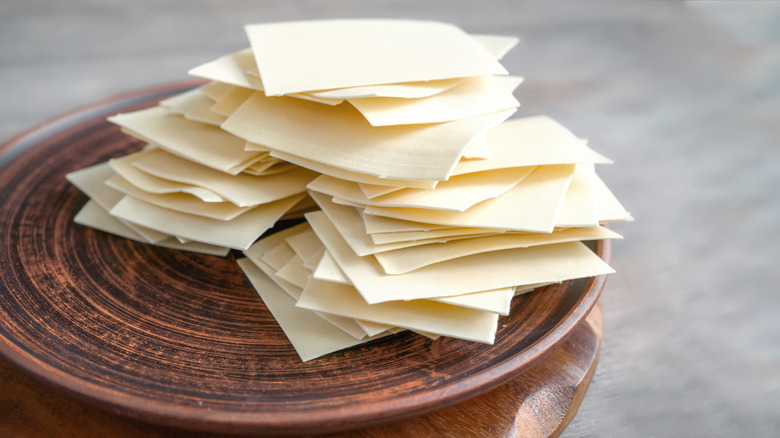
Credit: www.tastingtable.com
Why Oven-ready Noodles Differ
Not all lasagna noodles are the same. Some need boiling before baking. Oven-ready noodles do not require this step.
Understanding why oven-ready noodles differ helps you cook lasagna correctly. It affects texture and cooking time.
Texture And Thickness Variations
Oven-ready noodles are thinner than regular noodles. They absorb sauce and moisture during baking.
Regular noodles are thicker and firmer. They need boiling to soften before baking.
- Oven-ready noodles are thin and soft
- Regular noodles are thick and firm
- Thickness affects cooking time and texture
Cooking Requirements
Oven-ready noodles cook directly in the oven. They soak up sauce and steam to become tender.
Regular noodles must boil before baking. Boiling softens them and removes excess starch.
- Oven-ready noodles need more sauce for moisture
- Regular noodles require pre-cooking in boiling water
- Cooking method affects final lasagna texture
Signs Your Noodles Aren’t Oven Ready
Not all lasagna noodles are ready to bake right from the package. Some need to be boiled or soaked first. If you use noodles that aren’t oven ready, your dish may turn out uneven or hard.
Knowing the signs helps you avoid cooking problems. Here are two clear signs your noodles are not oven ready.
Dry And Brittle Texture
Oven-ready noodles usually feel flexible and smooth. If your noodles are dry and break easily, they need pre-cooking. Brittle noodles will not soften well in the oven.
Using dry noodles without boiling can cause uneven cooking. The edges may stay hard while the middle cooks.
Package Instructions Check
Always read the package instructions carefully. Look for phrases like “oven ready,” “no boil,” or “pre-cooked.” If these are missing, the noodles likely need boiling.
- Check if boiling or soaking is required before baking
- Look for cooking time and temperature details
- Follow recommended steps for best results
Boiling Noodles Before Baking
Lasagna noodles that are not oven ready need to be boiled before baking. Boiling softens the noodles so they cook evenly in the oven. This helps the layers blend well and avoids dry or hard noodles in your lasagna.
Knowing how long to boil and how to avoid overcooking is important. Proper boiling makes your lasagna smooth and tender.
Proper Boiling Time
Boil lasagna noodles in plenty of salted water until they are soft but still firm. This usually takes 8 to 10 minutes. Check the package instructions for specific times.
Drain the noodles carefully after boiling. You can rinse them with cold water to stop cooking. Lay them flat or hang to prevent sticking.
- Use a large pot with enough water
- Add salt to the boiling water
- Stir noodles often to stop clumping
- Test noodles at 8 minutes for firmness
- Drain and cool noodles before layering
Preventing Overcooking
Overcooked noodles become too soft and break easily. They can make your lasagna mushy. Watch the time closely and remove noodles as soon as they are al dente.
Rinse noodles with cold water after boiling. This stops cooking quickly. You can also toss them lightly with oil to keep them from sticking.
- Do not boil noodles longer than needed
- Check texture often during boiling
- Use cold water rinse to cool noodles fast
- Store noodles flat or separated to avoid sticking

Credit: www.stephreallife.com
Soaking Noodles For Softness
Lasagna noodles that are not oven ready need to be softened before baking. Soaking helps make them flexible and easier to work with. This step prevents noodles from breaking or drying out during cooking.
Soaking noodles can be done using warm or cold water. Each way has its own benefits depending on how much time you have and the texture you want.
Warm Water Soak Method
Soaking noodles in warm water softens them faster. The heat helps the noodles absorb water quickly and become pliable. This method is good if you need to prepare noodles in a short time.
Use water that is warm, not hot, to avoid cooking the noodles too much. Soak them for about 20 to 30 minutes until they are soft but still firm.
- Use warm water around 110°F (43°C)
- Soak noodles for 20-30 minutes
- Check noodles for softness before draining
- Do not over-soak to prevent mushiness
Cold Water Soak Benefits
Cold water soaking takes longer but gives you more control over noodle texture. It slowly hydrates the noodles, keeping them firm and less sticky. This is ideal for recipes that need firmer noodles.
Cold water soak is a gentle way to prepare noodles, reducing the risk of tearing or breaking. Soak them for about 45 minutes to one hour.
- Use cold or room temperature water
- Soak noodles for 45-60 minutes
- Gently separate noodles to avoid sticking
- Perfect for firm, al dente texture
Using Sauce To Soften Noodles
Lasagna noodles that are not oven-ready need extra moisture to cook well. Sauce helps soften the noodles during baking.
Adding enough sauce makes the noodles tender and easy to eat. It prevents dry or hard noodles in your lasagna.
Adding Extra Moisture
Use plenty of sauce to keep the noodles moist. The sauce should cover the noodles well on every layer.
Adding a little water or broth to the sauce can help if it is too thick. This extra liquid will soak into the noodles.
- Spread sauce evenly on the bottom of the pan
- Cover noodles completely with sauce
- Add a splash of water or broth to the sauce if needed
- Use sauce with good liquid content, like marinara or meat sauce
Layering Techniques
Place noodles flat and avoid overlapping too much. Overlapping can stop sauce from reaching some noodles.
Start with a sauce layer, then noodles, cheese, and sauce again. Repeat these layers to keep noodles soft.
- Begin with a sauce layer on the pan bottom
- Lay noodles in a single flat layer
- Add cheese and sauce on top of noodles
- Repeat layers, ending with sauce on top
Alternatives To Oven-ready Noodles
Oven-ready lasagna noodles save time but are not always available. You can use other noodle types for your lasagna dishes.
This guide explores fresh pasta options and no-boil homemade noodles as alternatives to oven-ready noodles.
Fresh Pasta Options
Fresh pasta noodles are soft and cook quickly. They do not need pre-cooking like dry noodles.
Use fresh sheets of pasta made for lasagna. These noodles absorb sauce well and create a tender texture.
- Buy fresh pasta sheets from local stores or markets
- Use fresh egg pasta for a rich flavor
- Layer noodles with sauce and cheese without boiling
- Cover lasagna well to keep noodles moist during baking
No-boil Homemade Noodles
Make your own no-boil noodles at home using simple ingredients. These noodles do not need boiling before baking.
Use a dough recipe with flour, eggs, and water. Roll the dough thinly and cut into sheets for lasagna.
- Mix flour and eggs to form a smooth dough
- Roll dough thin to help noodles cook in the oven
- Cut sheets to fit your baking dish
- Use plenty of sauce to keep noodles soft
Tips For Perfect Lasagna Layers
Lasagna noodles that are not oven ready need special care. Layering these noodles well helps the dish cook evenly.
Good layering keeps your lasagna from falling apart. It also balances flavors in every bite.
Even Layering Tricks
Start by spreading sauce evenly on the bottom of your pan. This stops noodles from sticking and cooks them better.
Place noodles flat and close together. Overlapping makes layers uneven and thick in spots.
- Use a spoon to spread sauce thinly and widely
- Lay noodles without gaps or overlaps
- Cut noodles to fit edges for neat layers
- Press noodles gently to keep them flat
Balancing Sauce And Cheese
Too much sauce makes lasagna soggy. Too little sauce leaves noodles dry and hard.
Cheese adds creaminess but can overpower if overused. Spread cheese evenly for a smooth texture.
- Use a moderate amount of sauce on each layer
- Spread ricotta or mozzarella evenly over noodles
- Save some cheese for the top layer
- Balance sauce and cheese to keep layers moist but firm

Credit: www.threads.com
Frequently Asked Questions
How To Cook Lasagna Noodles Not Oven Ready?
To cook non-oven-ready lasagna noodles, boil them in salted water for 8-10 minutes until al dente. Stir occasionally to prevent sticking. Drain and rinse with cold water. This stops cooking and makes handling easier. Use immediately or store them in a single layer until ready to assemble your lasagna.
Can I Bake Lasagna With Uncooked Noodles?
Yes, you can bake lasagna with uncooked noodles, but only oven-ready ones. If using traditional noodles, they must be pre-cooked. Pre-cooking ensures the noodles become tender during baking. Otherwise, the lasagna may have an unpleasant, chewy texture that detracts from the dish’s flavor and enjoyment.
How To Prevent Lasagna Noodles From Sticking?
Prevent lasagna noodles from sticking by adding oil to the boiling water. Stir them frequently during cooking. After draining, rinse them under cold water. This stops further cooking and reduces stickiness. Additionally, laying them flat and separated on a greased surface can help prevent them from sticking together.
Do You Need To Rinse Lasagna Noodles?
Yes, rinse lasagna noodles after boiling to stop further cooking. This also removes excess starch, preventing them from sticking together. Use cold water for rinsing. It cools the noodles quickly, making them easier to handle. Proper rinsing ensures your lasagna layers are smooth and well-prepared.
Conclusion
Lasagna noodles not oven ready can still work well in recipes. Just boil them until soft before layering. This step helps noodles cook evenly and taste better. Avoid skipping boiling; dry noodles stay hard inside. Use enough sauce to keep noodles moist during baking.
This way, your lasagna will turn out delicious and tender. Simple steps make a big difference in cooking success. Enjoy your meal with perfectly cooked noodles every time.