
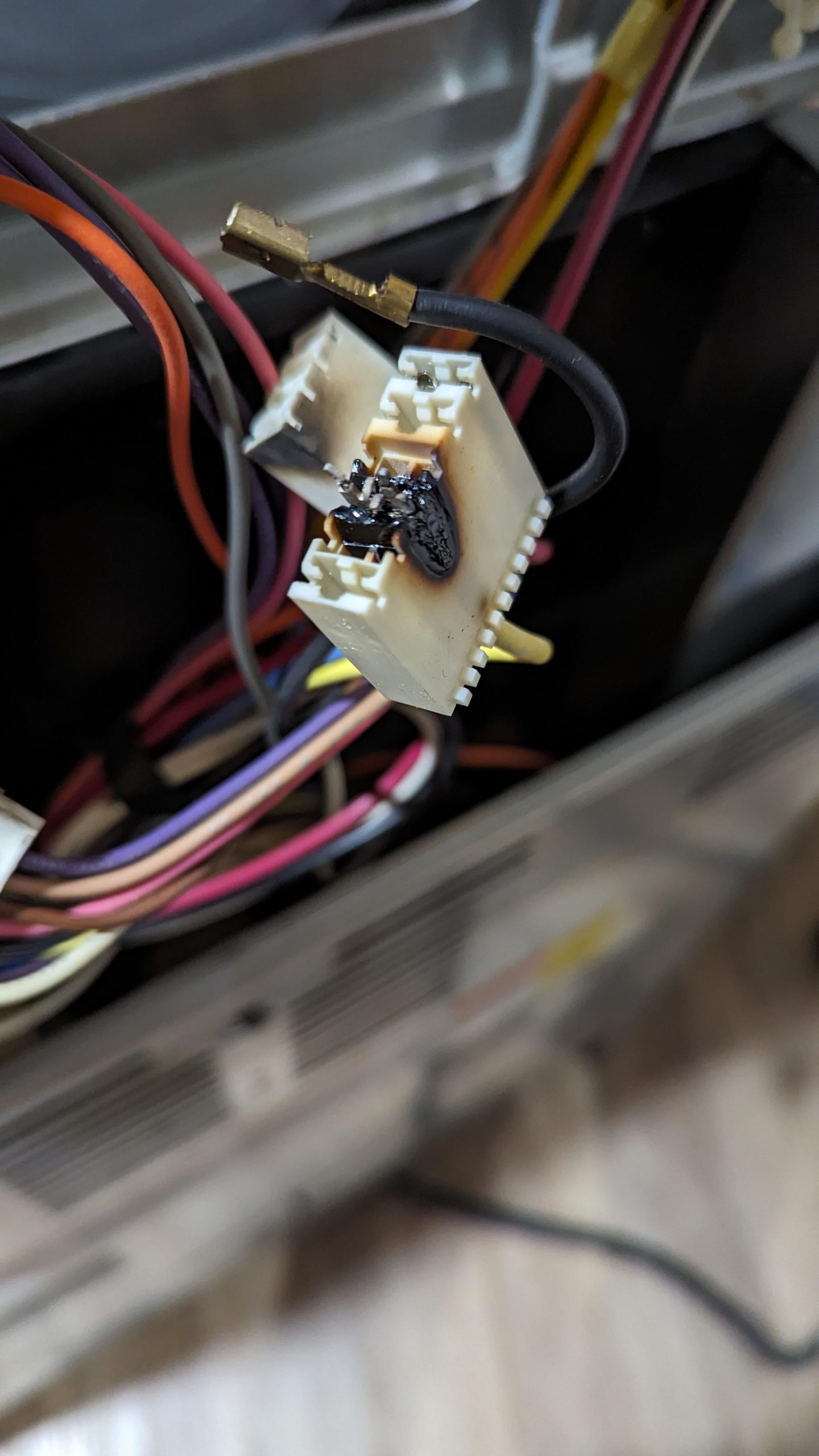
Is your oven acting up and leaving you frustrated? If your oven control board is not working, it can stop your cooking plans in their tracks.
You rely on your oven every day, and when the control board fails, it feels like everything grinds to a halt. But don’t worry—understanding what’s wrong and how to fix it is easier than you think. You’ll discover the key signs of a faulty oven control board, why it happens, and what steps you can take to get your oven back in action quickly.
Keep reading—your next perfectly cooked meal depends on it!
Common Oven Control Board Problems
The oven control board is the brain of your oven. It controls the temperature and timer settings.
If the control board has problems, your oven may not work well. Knowing common issues helps you fix them faster.
Display Issues
The oven display might show wrong numbers or nothing at all. This can make it hard to set the oven.
A dim or blank display often means the control board has a power problem or is damaged.
- Display shows random symbols or flickers
- No lights on the control panel
- Numbers do not update when pressed
Unresponsive Buttons
Sometimes the buttons on the oven do not work. Pressing them does not change the settings.
This can happen if the control board is faulty or there is a wiring problem.
- Buttons feel stuck or mushy
- Pressing buttons has no effect
- Only some buttons work
Oven Not Heating
If the oven does not heat, the control board might not send power to the heating elements.
The control board controls temperature signals. A failure can stop the oven from warming up.
- Oven stays cold when turned on
- Heating elements do not glow
- Temperature does not rise as set
Error Codes
The oven might show error codes on the display. These codes signal a problem with the control board.
Each code means a different issue. Checking the manual helps identify the exact problem.
- F1 or F2 often mean control board faults
- Err codes show communication errors
- Some codes point to sensor failures

Credit: www.youtube.com
Causes Of Control Board Failure
The oven control board is the brain of your oven. It controls the temperature and cooking time. Sometimes, the control board can stop working.
Several reasons can cause the control board to fail. Knowing these helps you find the right fix.
Power Surges
Power surges happen when electricity flows with too much voltage. This can damage the control board’s circuits. Surges often come from storms or faulty wiring.
When a surge hits, it can burn out small parts inside the board. This stops the oven from working properly.
Wiring Problems
Loose or damaged wires can cause the control board to fail. Wires can wear out over time or get pinched. Bad connections stop signals from reaching the board.
Wiring issues can cause short circuits or prevent power from reaching the control board.
Moisture Damage
Ovens produce steam and moisture. If water gets inside the control board, it can cause damage. Moisture leads to corrosion on the board’s parts.
This corrosion can break the circuits and stop the board from working right.
Wear And Tear
Control boards have many parts that wear out with use. Heat from the oven can weaken the board over time. Constant use causes parts to fail.
Old control boards often need replacement because of this natural wear and tear.
Tools Needed For Troubleshooting
Troubleshooting an oven control board requires the right tools. These tools help you test and fix the issue safely.
Using proper tools makes the process easier and reduces the risk of damage or injury.
Multimeter Use
A multimeter measures electrical values like voltage and resistance. It helps check if the control board gets power.
Use the multimeter to test wires and components. This shows if parts work or need replacing.
- Set the multimeter to the correct setting for your test
- Touch the probes to the board’s terminals carefully
- Read the display to check if values match expected numbers
Screwdrivers And Pliers
Screwdrivers help open the oven panel and reach the control board. Pliers assist in gripping and pulling wires or connectors.
Choose the right size screwdriver to avoid stripping screws. Use pliers gently to prevent wire damage.
- Flathead and Phillips screwdrivers are commonly needed
- Needle-nose pliers work well in tight spaces
- Insulated handles add safety while working with electronics
Safety Gear
Safety gear protects you from electrical shocks and sharp edges. It keeps you safe during repairs.
Wear gloves and eye protection. Make sure the oven is unplugged before starting work.
- Insulated gloves prevent electric shocks
- Safety goggles protect your eyes from debris
- Wear long sleeves to avoid cuts and scrapes
Step-by-step Diagnosis
When your oven control board is not working, you need to find the problem carefully. This guide helps you check the main areas to fix the issue.
Follow these steps to diagnose the control board and restore your oven’s function.
Checking Power Supply
First, make sure the oven has power. Without power, the control board cannot work.
Check the wall outlet and circuit breaker. Confirm the oven is plugged in and the breaker is not tripped.
- Use a voltage tester on the outlet
- Reset the circuit breaker if tripped
- Try plugging another device in the same outlet
Inspecting Wiring Connections
Loose or damaged wires can stop the control board from working. Check all wiring connections inside the oven.
Turn off the power before touching any wires. Look for burnt, loose, or broken wires.
- Open the oven panel carefully
- Check wire connectors for tightness
- Look for signs of damage or corrosion
Testing Control Board Components
Control boards have parts that can fail. Use a multimeter to test the board components for faults.
Check fuses, relays, and sensors connected to the board. Replace any faulty parts you find.
- Set multimeter to continuity mode
- Test each fuse and relay on the board
- Look for any burnt marks on the board
Resetting The Oven
Sometimes the control board needs a reset to clear errors. Resetting can fix simple software glitches.
Unplug the oven for a few minutes. Plug it back in and see if the control board works again.
- Unplug the oven from the power source
- Wait at least 5 minutes before plugging back in
- Turn the oven on and test the controls
When To Replace The Control Board
The oven control board manages all the oven’s settings and functions. When it stops working, your oven may not heat or respond properly. Knowing when to replace the control board can save time and prevent more damage.
Replacing the control board is not always needed. Some problems can be fixed by resetting or minor repairs. This guide helps you decide when replacement is necessary.
Identifying Irreparable Damage
Look for signs that the control board is beyond repair. Physical damage or repeated failures usually mean it must be replaced. Check for burn marks, broken components, or corrosion.
Other signs include:
- Oven not heating despite power
- Display panel not lighting up
- Buttons not responding at all
- Frequent error codes related to control
Sourcing Replacement Parts
Get the exact control board model for your oven. Using the wrong part can cause issues or damage. Check your oven’s manual or label for model numbers.
Buy parts from trusted suppliers or directly from the manufacturer. Avoid cheap or generic boards, as they may not work well with your oven.
- Find your oven’s model number
- Search for matching control board
- Compare prices and seller ratings
- Check return policy before buying
Installation Tips
Turn off power to the oven before starting. This prevents electric shock or damage. Remove the oven’s back panel to access the control board.
Carefully disconnect wires and take note of their positions. Connect the new board exactly as the old one was connected. Test the oven before reassembling the panel.
- Unplug oven or switch off circuit breaker
- Use a camera or notes to record wire setup
- Handle control board by edges to avoid damage
- Check all connections are secure after install
- Restore power and test all functions

Credit: www.reddit.com
Preventing Future Control Board Issues
The oven control board controls many oven functions. Taking care of it helps avoid problems.
Simple steps can protect the control board and keep your oven working well.
Regular Maintenance
Check your oven regularly to spot issues early. Look for signs of wear or damage.
Replace worn parts and tighten loose connections to keep the control board safe.
- Inspect wiring and connectors for damage
- Test oven functions often
- Schedule yearly professional check-ups
Surge Protection
Power surges can damage the control board. Use a surge protector to guard your oven.
Unplug your oven during storms to avoid sudden electricity spikes.
- Install a quality surge protector
- Turn off power during electrical storms
- Avoid overloading kitchen circuits
Proper Cleaning Methods
Clean your oven gently to avoid water or cleaner damage to the control board.
Use soft cloths and mild cleaners. Do not spray liquid directly on controls.
- Wipe surfaces with a damp cloth
- Avoid harsh chemicals near control panel
- Dry all cleaned areas well before use

Credit: www.reddit.com
Frequently Asked Questions
What Causes An Oven Control Board To Fail?
Oven control boards fail due to power surges, moisture, or worn-out components. Overheating and age also damage the board. Regular maintenance can prevent failure and extend its life.
How To Diagnose A Faulty Oven Control Board?
Look for unresponsive buttons, error codes, or oven not heating. Inspect for burnt marks or smells on the board. Use a multimeter to test for electrical continuity.
Can I Fix The Oven Control Board Myself?
Basic troubleshooting is possible, but replacing the board requires technical skills. Always disconnect power before working. If unsure, hire a professional to avoid damage or injury.
How Much Does Replacing An Oven Control Board Cost?
Replacement costs range from $100 to $400, including parts and labor. Prices vary by oven model and service provider. Getting multiple quotes ensures a fair price.
Conclusion
A faulty oven control board can stop your oven from working right. Check the wiring and power first. Sometimes, a reset fixes the problem fast. If the board is broken, replacing it may be needed. Always follow safety steps when handling electrical parts.
Quick action can save you time and money. Keep your oven working well with regular care. Don’t wait too long to fix issues. A working oven makes cooking easier and more fun.