
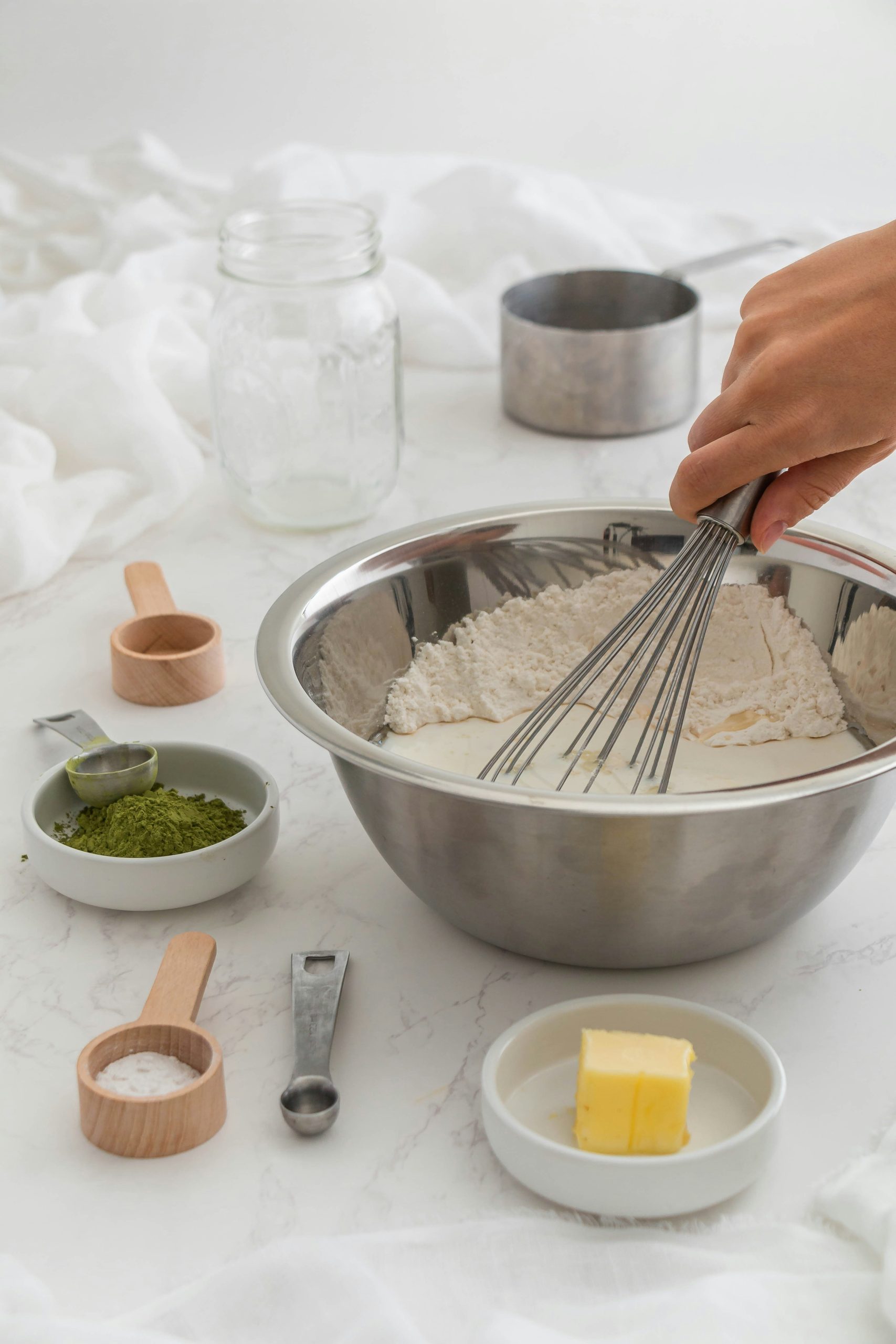
Have you ever found yourself in the kitchen, ready to whip up a delicious dish, only to pause and wonder, “Can I put this stainless steel bowl in the oven?” You’re not alone.
It’s a common question that pops up in many households. The answer might surprise you and could change the way you approach your cooking adventures. Imagine being able to seamlessly transition from mixing to baking without having to switch containers.
Think of the convenience and the time you’ll save. But before you rush to pop that bowl in the oven, there’s a lot you need to know to ensure your culinary creations are both safe and successful. In this blog post, we’ll uncover the do’s and don’ts of using stainless steel bowls in the oven, how it can impact your cooking, and the secrets to making it work for you. Stay with us, as we dive into the science, safety, and strategies that will transform your kitchen game. Ready to discover the truth and enhance your cooking skills? Let’s get started!
Credit: www.csrtimes.org
Stainless Steel Properties
Stainless steel is a versatile and durable material. It’s used in various kitchenware due to its unique properties. Understanding these properties helps when using stainless steel bowls in the oven.
Heat Resistance
Stainless steel can withstand high temperatures. This makes it suitable for oven use. It doesn’t warp or melt easily.
Durability
Stainless steel is known for its strength. It resists dents and scratches. It’s also long-lasting compared to other materials.
Non-reactive Nature
This material doesn’t react with food. It doesn’t change the taste or color of ingredients. Safe for cooking acidic foods.
Easy Maintenance
Stainless steel bowls are easy to clean. They resist stains and odors. They maintain their shine with minimal care.
Weight And Handling
Stainless steel is lightweight. It’s easy to handle in the kitchen. This makes it convenient for everyday use.
Oven-safe Criteria
Understanding what makes kitchenware oven-safe is crucial for safe cooking. Not all materials can withstand high temperatures. Stainless steel bowls are popular for their durability. But can they handle the heat of an oven? Knowing the oven-safe criteria helps you make informed choices.
Material Composition
Stainless steel is strong and durable. It resists rust and stains. The key is knowing its heat tolerance. Pure stainless steel usually works in ovens. Coatings or added materials may melt or warp.
Thickness And Durability
Thickness impacts how the bowl handles heat. Thicker bowls are less likely to warp. Thin bowls may change shape under high heat. Opt for bowls with a solid build.
Handles And Attachments
Check if handles are metal. Plastic or wood can’t handle oven heat. Metal handles are safe. Ensure any attachments are heat-resistant.
Temperature Limits
Know the temperature limits of your bowl. Stainless steel often tolerates high heat. Check manufacturer guidelines for exact limits. Overheating can cause damage.
Manufacturer Guidelines
Always read the manufacturer’s instructions. They provide specific oven-safe information. Follow these guidelines to avoid mishaps. Safe cooking depends on correct usage.
Testing Bowl For Oven Use
Wondering if your stainless steel bowl is oven-safe? It’s important to test it. Some bowls handle heat well. Others can warp or discolor. Testing ensures safety. Let’s explore different methods.
Heat Resistance Check
Start with a simple heat test. Place the bowl in a cold oven. Set it to 350°F (175°C). Let it heat for 10 minutes. Check for any changes. Look for warping or color changes. If all is good, your bowl is likely oven-safe.
Manufacturer Guidelines
Read the manufacturer’s instructions. They often specify if the bowl is oven-safe. Check the product label or website. Follow any specific guidelines provided. These details are crucial for safe use.
Physical Inspection
Inspect the bowl physically. Look for any cracks or chips. These can weaken the bowl in the oven. Ensure the bowl’s surface is smooth. Any damage could lead to breaking. A thorough check prevents accidents.
Potential Risks
While stainless steel bowls are a kitchen staple, you might wonder if they can safely go in the oven. Understanding the potential risks is crucial before you decide to use them for baking or roasting. You don’t want to ruin your cookware or your culinary masterpiece. Let’s explore some risks you should consider.
Heat Damage
Stainless steel can withstand high temperatures, but it isn’t indestructible. Extreme heat can cause discoloration. Picture your shiny bowl turning dull or even developing rainbow hues. It’s disappointing when you expect your bowl to last for years.
Have you ever pulled out your favorite pan only to find it no longer looks new? It’s a letdown. The heat can alter the appearance of stainless steel, making it look worn out. This visual change doesn’t affect functionality but can be unsettling.
Warping Issues
Warping is another concern. When exposed to high temperatures, stainless steel can bend or twist. Imagine trying to fit a lid on a warped bowl—frustrating, right? This happens because the heat affects the metal’s structure.
If your bowl no longer sits flat, it might cause uneven cooking. You don’t want to serve half-baked cookies or an undercooked casserole. Protect your kitchen investments by checking the temperature limits on your cookware.
Chemical Reactions
Believe it or not, chemical reactions can occur when stainless steel is heated. Some foods might react with the metal, altering the taste of your dish. This is a risk you might not expect.
Consider the metallic taste that can sometimes taint your meal. It’s not something you want to experience. Check for signs of such reactions, especially if you’re cooking acidic foods. Your taste buds will thank you.
So, should you put your stainless steel bowl in the oven? It’s a question worth asking. Weigh these risks and make an informed decision. Your kitchen adventures should be fun and rewarding, not filled with unnecessary mishaps.
Safety Measures
Stainless steel bowls are generally safe for oven use. Always check for any plastic or rubber parts before using. Ensure the bowl is suitable for high temperatures to avoid damage.
When using a stainless steel bowl in the oven, it’s crucial to prioritize safety. While stainless steel is known for its durability and resistance to rust, applying the right safety measures ensures that you’re not just keeping your dish intact, but also protecting yourself and your kitchen environment. Understanding the nuances of how to handle these versatile kitchen tools can make all the difference in your cooking experience.Gradual Temperature Changes
Imagine taking a stainless steel bowl straight from the fridge and placing it in a hot oven. This sudden temperature shock can cause the metal to warp or, in some cases, crack. To avoid this, allow the bowl to sit at room temperature for a while before placing it in the oven. This simple step can save you from an unexpected kitchen mishap.Avoiding Direct Heat
Have you ever noticed how some areas in your oven are hotter than others? Placing your stainless steel bowl directly over a heating element can cause uneven cooking. Position the bowl in the center of the oven to ensure even heat distribution. By doing so, you’ll avoid the risk of burning your dish.Using Protective Gear
Handling hot cookware without proper protection is an accident waiting to happen. Always use oven mitts or heat-resistant gloves when removing stainless steel bowls from the oven. Consider this a non-negotiable rule in your kitchen. It’s a straightforward tip, but one that can prevent painful burns and dropped dishes. Taking these safety measures not only enhances your cooking but keeps your kitchen a safer place. Have you tried any of these tips before, or do you have your own safety practices to share?
Credit: www.pinterest.com
Alternatives To Stainless Steel
Exploring alternatives to stainless steel bowls can be rewarding. Different materials offer unique benefits in the kitchen. They can enhance your baking or cooking experience. Each has its strengths and weaknesses. It’s vital to understand them before making a choice.
Glass Options
Glass bowls are a popular choice. They are both stylish and functional. They can withstand high temperatures in the oven. Glass also allows you to see the contents easily. This helps in monitoring the cooking process. They are non-reactive, which means no unwanted flavors. But, handle them with care as they can break easily.
Ceramic Choices
Ceramic bowls add a touch of elegance. They are known for even heat distribution. This ensures your food cooks evenly. Ceramics retain heat well, keeping dishes warm longer. They are also safe for the oven. Look for ones labeled as oven-safe to avoid mishaps. Their designs can be quite appealing too.
Silicone Alternatives
Silicone bowls offer flexibility and convenience. They are lightweight and easy to handle. Oven-safe silicone can withstand moderate temperatures. Non-stick properties make cleaning a breeze. They are also easy to store as they can be folded or collapsed. Remember, not all silicone is suitable for high heat.
Common Mistakes
Stainless steel bowls are not always safe for ovens. Many people assume all stainless steel is oven-proof. This can lead to warped bowls or damaged ovens. Always check the manufacturer’s instructions before using any stainless steel bowl in the oven.
When you’re working in the kitchen, the versatility of stainless steel can be a great advantage. Yet, putting a stainless steel bowl in the oven isn’t as straightforward as it might seem. Common mistakes can lead to disappointing results or even damage to your kitchenware. Let’s delve into these mistakes to help you avoid them.Ignoring Manufacturer Instructions
It’s easy to assume all stainless steel bowls are oven-safe, but this isn’t always the case. Manufacturer instructions are there for a reason. They provide specific details about the safe use of your kitchen tools, including temperature limits and any coatings that might not withstand heat. Have you ever skipped reading the small print, only to find out later it was crucial? Don’t let this be the case with your stainless steel bowls.Exposing To Extreme Temperatures
Even if a bowl is labeled as oven-safe, extreme temperatures can still pose a risk. Rapid temperature changes can cause warping or damage. Consider how quickly you might want to heat a dish. Is it really necessary, or could a gradual increase in temperature work just as well? This could save your bowl from unnecessary stress.Using Damaged Bowls
Using a bowl with visible dents or scratches may seem harmless, but these imperfections can weaken the structure. Heat can exacerbate these weak points, leading to breakage. Have you ever ignored a small crack in your favorite mug, only for it to shatter one day? The same principle applies here. Always inspect your bowls for damage before using them in the oven. Avoiding these common mistakes can make your cooking experience smoother and more enjoyable. Have you been guilty of any of these errors before? How did you resolve them? Share your thoughts and let’s learn together.
Credit: www.stellinox.com
Maintenance Tips
Stainless steel bowls can often be safely used in the oven if they are labeled as oven-safe. Always check for a manufacturer’s indication before use. Avoid sudden temperature changes to prevent warping or damage.
Maintaining your stainless steel bowl is essential if you want it to last longer and perform well in the oven. Regular upkeep ensures that it remains a reliable kitchen companion, ready for any culinary adventure you embark on. But how do you keep your bowl in top shape? Here are some maintenance tips to help you.Proper Cleaning Techniques
Clean your stainless steel bowl after each use. Use warm water and mild dish soap for everyday cleaning. A soft sponge works well for removing residue without scratching the surface. Do you struggle with stuck-on food? Try soaking the bowl in warm soapy water. Then, use a non-abrasive scrubber to lift the debris gently. Avoid harsh detergents or steel wool, as they can damage the finish. Once cleaned, dry the bowl with a soft cloth. This prevents water spots and maintains its shiny appearance. Remember, moisture can lead to corrosion over time.Regular Inspections
Check your bowl for any signs of wear and tear. Look for dents or scratches, which can affect its performance in the oven. If you notice any damage, consider replacing it. Inspect the bowl’s bottom for any residue build-up. This could affect heat distribution when cooking. A simple wipe-down can save you from uneven cooking results. Consider conducting a sniff test. A lingering odor could mean it’s time for a deeper clean. Stainless steel should be odor-free, ready for your next recipe.Storage Suggestions
Store your stainless steel bowl in a dry place. Moisture can lead to rust, compromising its quality. A kitchen cabinet or pantry shelf works well. Keep it away from other heavy pots or pans. Stacking can cause dents or scratches, reducing its lifespan. Use a shelf liner to prevent slipping and protect the surface. Do you have limited space? Consider hanging your bowl on a wall-mounted rack. This not only saves space but also keeps it easily accessible for your next cooking session. By taking these steps, you can extend the life of your stainless steel bowl, ensuring it remains a staple in your kitchen for years to come. Have you ever had a stainless steel bowl that lasted longer than expected? What maintenance tips worked for you?Frequently Asked Questions
Can Stainless Steel Bowls Go In The Oven?
Yes, stainless steel bowls can generally be used in the oven. It’s important to check if the bowl is oven-safe. Not all stainless steel bowls are designed for high temperatures. Ensure your bowl has no plastic parts and is marked as oven-safe.
Is It Safe To Bake With Stainless Steel?
It is safe to bake with stainless steel if the bowl is oven-safe. Stainless steel is durable and can withstand high heat. Always verify your bowl’s specifications to ensure it’s appropriate for baking.
What Temperature Can Stainless Steel Handle?
Stainless steel can usually handle temperatures up to 500°F (260°C). However, check your specific bowl for its heat tolerance. Different grades of stainless steel have varying heat resistance.
Can Stainless Steel Warp In The Oven?
Stainless steel can warp if exposed to extreme temperatures suddenly. Gradual heating helps maintain its shape. Ensure even heat distribution to prevent warping.
Conclusion
Stainless steel bowls can be used in the oven safely. Choose bowls without plastic or rubber parts. Check the manufacturer’s guidelines for temperature limits. Stainless steel handles heat well. It doesn’t react with food. Perfect for baking and roasting. But, avoid sudden temperature changes.
It can warp or crack. So, preheat the oven. Let the bowl cool after use. Always handle with care. Enjoy cooking with stainless steel. It’s durable and versatile. Suitable for everyday kitchen tasks. Keep experimenting with your recipes. Cooking should be fun and safe!