
Have you ever wondered if you can safely pop your stainless steel pots into the oven? You’re not alone.
With so many kitchen gadgets claiming versatility, it’s tempting to assume that your trusty stainless steel cookware can handle the heat. But before you make any assumptions, there are crucial things you need to know. Understanding the capabilities and limitations of your cookware can save you from potential kitchen mishaps or damage.
Are you ready to discover whether your stainless steel pots can transform your cooking experience and unlock a world of delicious possibilities? Let’s dive in and clear up the mystery once and for all.
Credit: misen.com
Stainless Steel Pots: An Overview
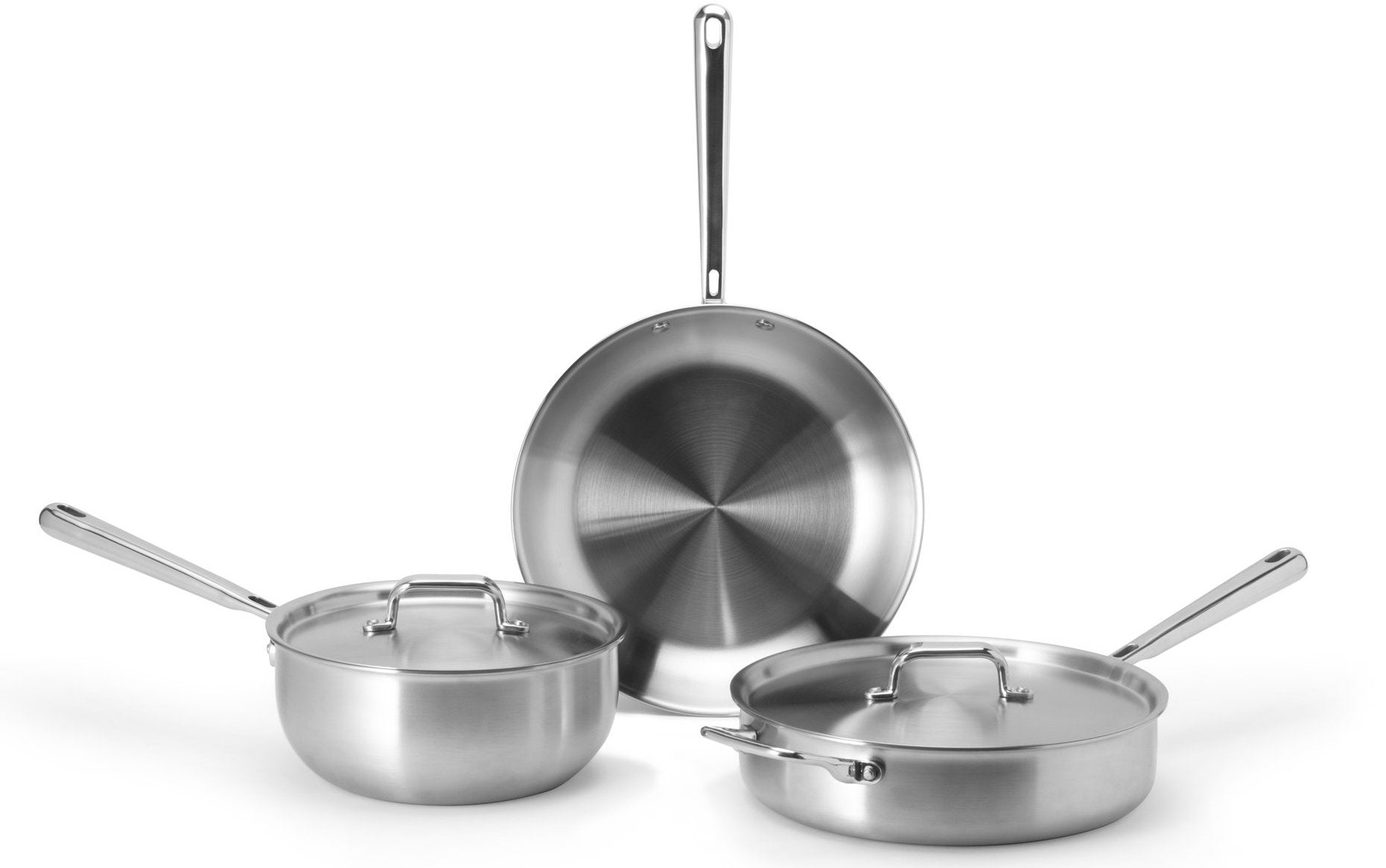
Stainless steel pots are generally oven-safe, making them versatile for cooking. Ensure pots have no plastic handles or non-oven-safe lids. Always check manufacturer’s guidelines to prevent damage.
Stainless steel pots have become a staple in many kitchens, praised for their durability and versatility. You might be wondering if these shiny, robust pots can handle the heat of your oven. Understanding the characteristics of stainless steel can help you make the most out of your cookware, whether you’re simmering on the stove or roasting in the oven.What Makes Stainless Steel Special?
Stainless steel is a popular choice for pots because it doesn’t rust, stain, or corrode easily. This makes it perfect for cooking and cleaning. Its shiny, smooth surface also adds a touch of elegance to your kitchen.Heat Distribution In Stainless Steel Pots
One of the best features of stainless steel pots is their ability to distribute heat evenly. This ensures that your food cooks uniformly, without hot spots. It’s especially useful when you’re baking a dish in the oven that requires consistent temperature.Can Stainless Steel Pots Go From Stove To Oven?
Yes, most stainless steel pots can go from the stove to the oven seamlessly. This is convenient when you need to finish a dish in the oven after starting it on the stove. Always check if your pot has any non-metal parts that might not be oven-safe.Considerations For Oven Use
Before you pop your stainless steel pot in the oven, check for plastic handles or lids. These parts are often not oven-safe and could melt. Opt for pots with metal handles and lids to avoid any kitchen mishaps.Personal Experience: The Versatility Of Stainless Steel
I once made a delicious beef stew in my stainless steel pot. I started it on the stove and then moved it to the oven to finish cooking. The result was a perfectly cooked dish with tender meat. This flexibility is why stainless steel pots are my go-to in the kitchen. Have you tried using your stainless steel pots in the oven yet? If not, why not give it a shot next time you’re cooking? You’ll appreciate the ease and versatility they bring to your culinary adventures.Oven-safe Stainless Steel Features
Stainless steel pots can often handle oven heat. Check for oven-safe labels on handles and lids before cooking. Always ensure compatibility with your oven’s temperature settings to prevent damage.
When considering whether stainless steel pots are suitable for oven use, it’s important to understand the specific features that make them oven-safe. Not all stainless steel cookware is created equal. Certain characteristics ensure that your pots can withstand the heat without damage or risk to your cooking endeavors. ###Material Composition
The composition of stainless steel is key to its oven safety. Typically, high-quality stainless steel pots are made from a blend of metals, with iron and chromium being the most common. This combination gives them a high melting point, allowing them to endure oven temperatures without warping. Beware of pots with non-stick coatings or aluminum cores. These can limit the temperature threshold. Always check for any labels or manufacturer instructions that indicate oven compatibility. ###Handles And Lids Considerations
When thinking about putting your stainless steel pots in the oven, pay special attention to the handles and lids. Not all handles are created equal. Some are made from materials like plastic or rubber, which can melt or warp in high heat. Opt for pots with stainless steel or metal handles for oven use. These are designed to withstand oven temperatures. Similarly, glass lids may not be oven-safe unless specified, as they can shatter under high heat. Imagine you’re preparing a delightful roasted dish, only to find your pot’s handle melted. Always verify the materials of handles and lids before oven use to avoid such mishaps. Are you confident your stainless steel pots are truly oven-safe? Double-check these features to ensure a seamless cooking experience. Your pot’s durability and your dish’s success depend on it.Temperature Limits For Stainless Steel
Stainless steel pots are a staple in many kitchens, known for their durability and sleek design. However, when it comes to using them in the oven, understanding their temperature limits is crucial. Knowing how much heat they can handle will ensure your cooking adventures remain safe and your cookware stays in top shape.
Maximum Heat Tolerance
Most stainless steel pots can comfortably withstand temperatures up to 500°F. This makes them versatile enough for most oven-based recipes, from roasting to baking. Always check the manufacturer’s guidelines, as some pots might have specific limits due to additional materials like plastic handles or glass lids.
Ever tried roasting a chicken and wondered if your pot would survive the heat? Stainless steel’s high heat tolerance often means you can achieve that perfect crispy skin without worry. But, staying informed about your specific pot’s limits can save you from unexpected mishaps.
Impact Of High Temperatures
Exposing stainless steel to temperatures beyond its maximum tolerance can lead to discoloration or warping. This not only affects the appearance but could also compromise the pot’s performance. If you notice a rainbow-like hue on your pot, it’s a sign that it’s been exposed to excessive heat.
Have you ever noticed your pot not sitting flat on the stove after an oven session? That’s warping, and it’s more common than you might think. Being mindful of temperature limits can help you avoid such issues and extend the life of your pots.
So, before you slide that pot into the oven, ask yourself: Do you know its heat limits? Your careful consideration can make all the difference in your cooking success and the longevity of your cookware.
Preparing Stainless Steel Pots For The Oven
Stainless steel pots can go in the oven if they have no plastic or wooden parts. Ensure they are oven-safe by checking the manufacturer’s guidelines. Always use oven mitts to handle hot pots safely.
Preparing stainless steel pots for the oven is a straightforward process that can open up a world of culinary possibilities. Whether you’re searing a steak on the stovetop and finishing it off in the oven or making a hearty stew, understanding how to properly prepare your stainless steel pots is crucial. This ensures not only the longevity of your pots but also the safety and success of your cooking endeavors. Let’s dive into some essential tips and tricks to make your stainless steel pots oven-ready.Ensuring Compatibility
Before placing your stainless steel pots in the oven, check if they are oven-safe. Most stainless steel pots are, but double-checking is always wise. Look for labels or symbols indicating oven safety on the bottom of your pot. Consider the handles and lids as well. Some pots have plastic handles that aren’t suitable for high temperatures. If your pot has a non-metal lid, it might not be oven-proof. Always ensure every part of your pot can withstand oven temperatures.Preheating Tips
Preheating the oven is a crucial step in ensuring even cooking. Stainless steel conducts heat efficiently, so a preheated oven helps maintain consistent temperature throughout the cooking process. If you’re using the pot to sear ingredients first, allow it to cool slightly before transferring it to the oven. This prevents sudden temperature changes that could warp the pot. You might wonder, does preheating really make a difference? Absolutely! It ensures your dish cooks evenly and reduces the risk of burning or undercooking specific areas.Cooking Techniques With Stainless Steel In The Oven
Stainless steel pots are versatile in the kitchen. They handle high temperatures well and are perfect for oven use. Many home cooks use them for different cooking techniques. Roasting, baking, and broiling are popular methods. Each technique has its benefits and specific tips.
Roasting And Baking
Roasting in stainless steel pots helps maintain flavor. The metal conducts heat evenly, ensuring a perfect roast. Use a low to medium oven temperature. This prevents food from drying out. Place the pot in the middle rack for even heat distribution. Cover the pot with a lid to keep moisture in. Baking is also effective in stainless steel. The material doesn’t react with acidic ingredients. This makes it ideal for fruit-based dishes. Always preheat the oven to the desired temperature. This ensures consistent results every time.
Broiling Tips
Broiling with stainless steel pots is easy. Use the broiler setting in your oven. Place the pot close to the heat source. This gives a nice char to your food. Keep an eye on the cooking process. Broiling can cook food quickly. Use a pot with a handle that can withstand high heat. Stainless steel handles are usually safe for broiling. Avoid using pots with plastic handles. They may melt under high temperatures. Adjust the oven rack as needed. This helps control the level of charring.

Credit: prudentreviews.com
Care And Maintenance Post-oven Use
After successfully using your stainless steel pot in the oven, the next step is ensuring it’s well cared for and maintained. Proper care and maintenance can extend the life of your cookware and keep it looking pristine. You might wonder if your cleaning routine impacts the durability of your pots. Let’s dive into effective cleaning practices and smart storing considerations.
Cleaning Practices
Once your pot has cooled, begin cleaning by soaking it in warm, soapy water. This helps loosen any food particles and makes scrubbing easier. Use a soft sponge or cloth to gently clean the surface. Abrasive pads can scratch the stainless steel.
If you encounter stubborn stains or burnt residue, sprinkle baking soda on the affected area and scrub gently. Baking soda acts as a mild abrasive and can work wonders without damaging the pot. Remember, a little patience goes a long way.
Ensure you rinse thoroughly. Leftover soap can create a film on your pot, affecting its shine. Dry immediately with a towel to prevent water spots. Ever wondered why some spots remain even after cleaning? It’s often due to not drying promptly.
Storing Considerations
When it comes to storing your stainless steel pots, stack them carefully to avoid scratches. If space allows, store them separately or use protective pads between each pot to maintain their finish.
Consider hanging your pots on a rack. Not only does this prevent scratches, but it also adds a touch of elegance to your kitchen space. You can easily spot your pots, making cooking more efficient.
Avoid storing pots with their lids tightly sealed. Trapped moisture can lead to unpleasant odors or even rust in extreme cases. Let them breathe by placing lids slightly ajar or storing them separately.
Have you ever noticed your pots losing their shine over time? Regular polishing with a stainless steel cleaner can bring back that sparkle. It’s a simple step that makes a big difference.
As you maintain your stainless steel pots post-oven use, remember these practices can ensure their longevity and performance. How do you care for your cookware? Share your tips or challenges in the comments below!
Safety Precautions
Stainless steel pots are popular in the kitchen for their durability. Many wonder if they can safely use these pots in the oven. Understanding safety precautions is essential to prevent accidents. This section will guide you on using stainless steel pots safely in the oven.
Avoiding Damage
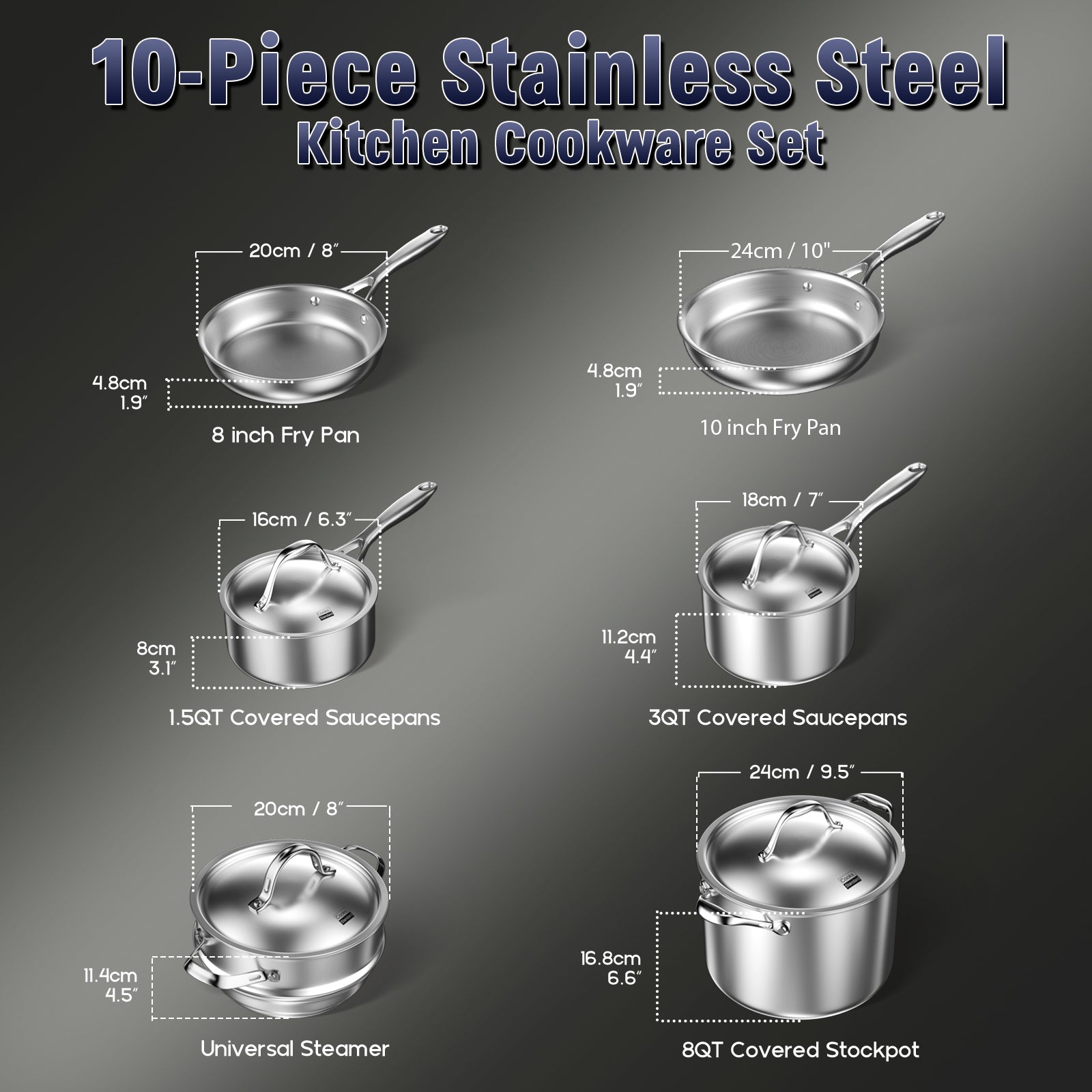
Check if your pot has any plastic parts. These can melt in the oven. Inspect the handles and lids for non-metal materials. Non-metal parts may not withstand high heat. Always confirm the oven’s temperature limits on the pot’s label. This prevents overheating and damage.
Use the middle rack for even heat distribution. This prevents hot spots that can warp the pot. Do not place cold pots into a hot oven. Sudden temperature changes can cause damage. Let the pot warm up with the oven for better results.
Handling Hot Cookware
Always use oven mitts when removing pots. Stainless steel conducts heat quickly. Hot surfaces can cause burns. Have a safe landing spot ready. Use heat-resistant trivets or pads on your countertop.
Keep children away from the oven when in use. Hot pots can be dangerous if touched. Stay alert and focused while cooking. Avoid distractions to ensure safety in the kitchen. Practice these steps for a safer cooking experience.
Credit: cooknhome.com
Frequently Asked Questions
Is Stainless Steel Oven-safe?
Yes, stainless steel is generally oven-safe. It can withstand high temperatures without warping or releasing harmful chemicals. Always check the manufacturer’s guidelines for specific temperature limits.
Can Stainless Steel Handles Go In The Oven?
Stainless steel handles are typically oven-safe. However, ensure they don’t have plastic or wood parts, which may melt or burn in the oven.
Will Stainless Steel Pots Warp In The Oven?
Stainless steel pots usually don’t warp in the oven. They are designed to handle high heat. However, sudden temperature changes can cause warping.
Are All Stainless Steel Pots Oven-safe?
Not all stainless steel pots are oven-safe. Some may have non-oven-safe components like plastic handles or non-stick coatings. Check labels before using them in the oven.
Conclusion
Stainless steel pots can go in the oven. Check the manufacturer’s instructions first. Handles and lids matter. Some handles may not be oven-safe. Check if your pot has plastic parts. These can melt in high heat. Stainless steel is strong.
It handles oven temperatures well. Use oven mitts to avoid burns. Safety first. Stainless steel pots offer flexibility. You can cook on the stove. Then move to the oven. This saves time and effort. Cooking becomes easier. Stainless steel pots are versatile.
Enjoy your cooking experience.