

You’ve probably been there—you’re ready to bake a delicious meal, but when you turn on your oven, nothing happens. The stovetop works just fine, but the oven seems to be taking a day off.
It’s frustrating, isn’t it? This common problem can throw a wrench in your cooking plans and leave you feeling helpless. But don’t worry, you’re not alone, and there are solutions that can get your oven back to its trusty self.
We will explore why your range stove is working while your oven isn’t, and guide you through simple steps to diagnose and fix the issue. Whether it’s a minor glitch or something more complex, understanding what’s going wrong can save you time and money. So, if you’re ready to get your oven up and running again, keep reading—because the answers you need are right here.
Common Oven Issues
Encountering a range stove that functions while the oven remains inactive is a common household issue. This problem may stem from a malfunctioning thermostat or faulty heating elements. Checking the oven’s electrical connections and ensuring the settings are correct can help identify the source of the issue.
When your range stove is operating just fine, but your oven refuses to cooperate, it can be downright frustrating. You’re left wondering why a part of your kitchen appliance is acting up while the rest is perfectly functional. Understanding common oven issues can help you troubleshoot and possibly fix the problem yourself before calling for professional help.Heating Problems
One of the most frequent complaints is that the oven isn’t heating properly. This can be a real headache, especially when you have a dinner party planned. The issue might stem from a malfunctioning heating element. Check if the heating elements are glowing red. If not, it might be time to replace them. Sometimes, a simple visual inspection can save you a lot of trouble.Faulty Thermostat
A faulty thermostat can lead to uneven cooking or an oven that doesn’t reach the desired temperature. Think of it as trying to bake a cake but always ending up with a burnt crust or an undercooked center. To test, you can use an oven thermometer to compare the actual temperature with what you set. If there’s a significant difference, adjusting or replacing the thermostat might be necessary.Ignition Issues
If your oven refuses to ignite, it could be due to ignition issues. This might happen if the igniter is weak or worn out. Listen for a clicking sound or the smell of gas. If you notice either, the igniter could be the culprit. Replacing an igniter is often a straightforward task, but if you’re unsure, seeking professional assistance is wise. Are you aware of any other common issues your oven might face? Have you tried troubleshooting it yourself, or do you always call in the experts? Sharing your experiences could help others facing similar dilemmas.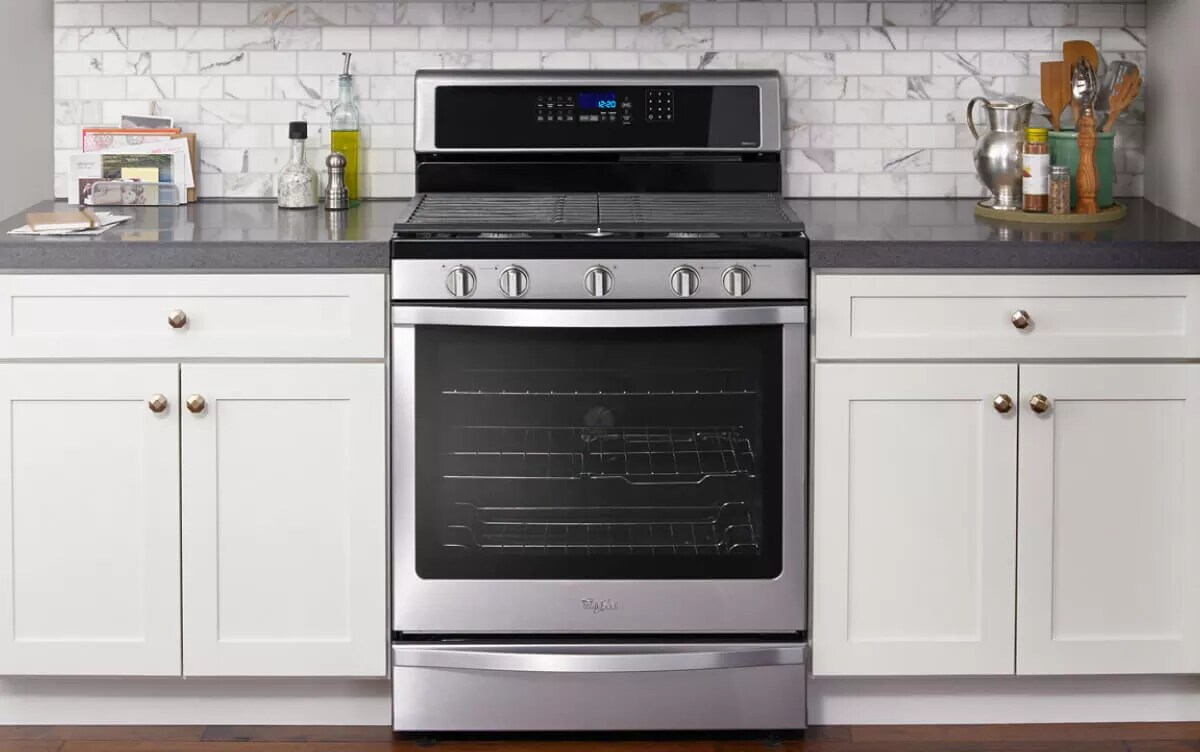
Credit: www.whirlpool.com
Troubleshooting Steps
Experiencing issues with your range stove? Ensure the oven’s power connection is secure. Check the temperature settings and inspect the heating elements for damage. Resetting the circuit breaker might help resolve the problem.
If your range stove is working but the oven isn’t, you’re likely feeling a mix of confusion and frustration. This is a common issue that can often be resolved with some straightforward troubleshooting steps. Let’s dive into how you can get your oven back to baking those delicious meals.Checking Power Supply
First things first, ensure your oven is getting power. It may sound basic, but sometimes the simplest solutions are overlooked. Check if the oven is plugged in properly and if your home’s circuit breaker hasn’t tripped. One time, I spent an hour fiddling with my oven settings only to find the plug slightly loose. A quick push did the trick. Don’t underestimate the power of a secure connection.Inspecting Heating Elements
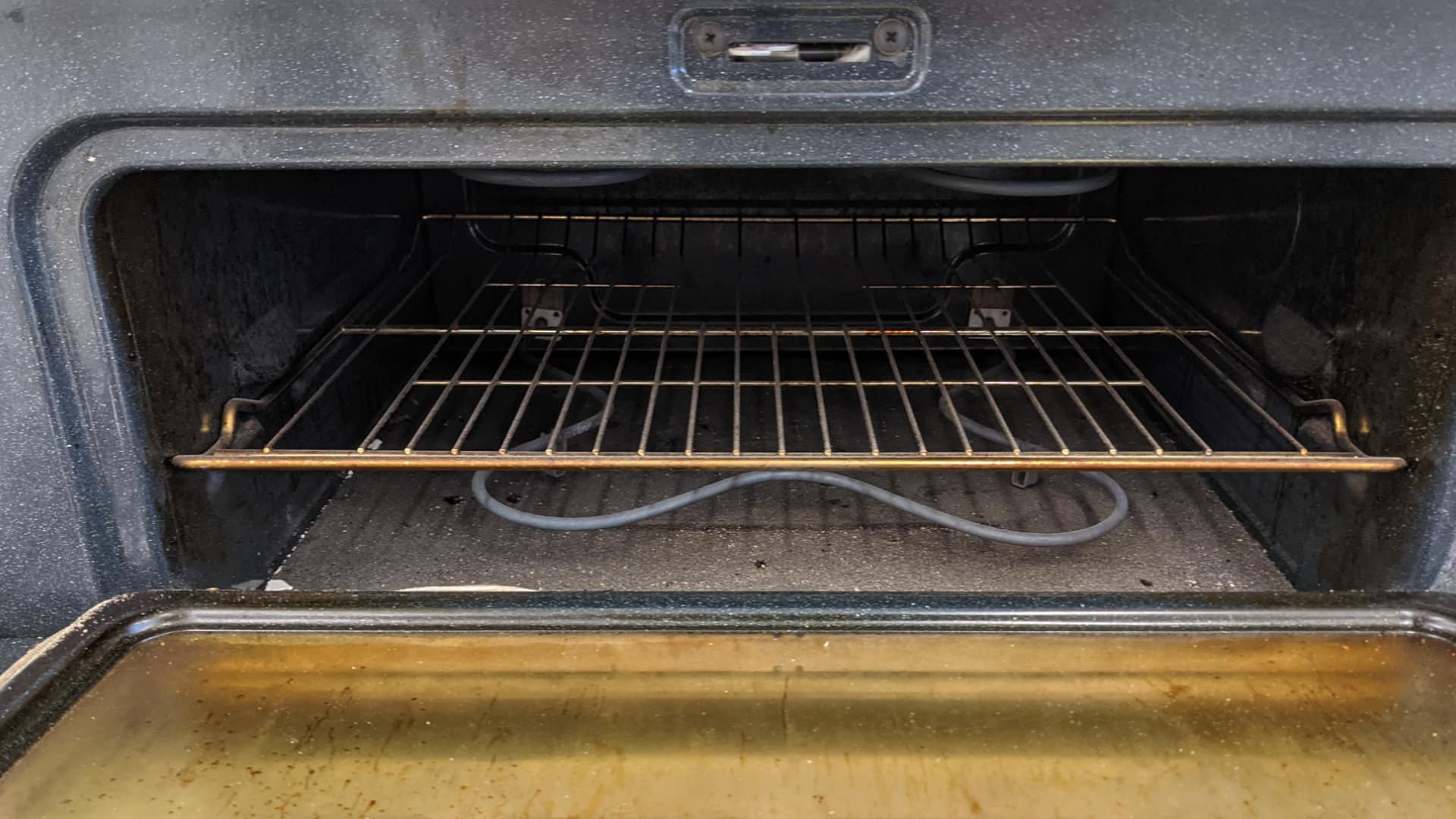
Next, inspect the heating elements. These are the parts that glow red and produce heat in your oven. If they look burnt or are not heating evenly, they might be the culprit. You can test them by turning on your oven and seeing if they glow uniformly. A faulty heating element will often show visible signs of damage like blisters or breaks. Replacing them is usually straightforward and can restore your oven’s functionality.Examining The Control Board
The control board is like the brain of your oven. If it’s malfunctioning, your oven might not respond as it should. Check for error codes or signs of damage. Sometimes, a simple reset can solve the problem. Unplug the oven for a few minutes and plug it back in to see if it works. If issues persist, you might need professional help to repair or replace the control board. By taking these steps, you can often identify the issue and decide whether it’s a DIY fix or if you need to call in the experts. What other household appliance issues have you solved with simple troubleshooting?Diy Fixes
Experiencing a range stove that heats while the oven stays cold can be frustrating. Common culprits include faulty heating elements or malfunctioning thermostats. Checking these components might solve the problem, allowing you to bake with ease again.
Having your range stove working while your oven decides to take a break can be frustrating. Yet, before you call in the experts, there are some simple DIY fixes you can try. These fixes can save you time, money, and maybe even give you a sense of accomplishment. Let’s dive into some practical solutions that you can easily handle at home.Replacing Heating Elements
The heating element is the heart of your oven. If it’s not working, your oven won’t heat properly. Begin by inspecting the element for any visible signs of damage, such as burn marks or breaks. If you spot any issues, replacing it might be your best bet. To replace the heating element, first, ensure the oven is off and unplugged. Unscrew the element, disconnect the wires, and carefully remove it. Install the new element by reversing these steps, ensuring all connections are secure. Test your oven to see if it heats up correctly.Adjusting The Thermostat
Sometimes, the thermostat can be the culprit. It may not be reading temperatures accurately, leading to an oven that doesn’t heat as it should. To check this, use an oven thermometer to compare the actual temperature against the thermostat setting. If there’s a discrepancy, you may need to recalibrate your oven thermostat. Refer to your oven’s manual for specific instructions. Adjustments might be simple, like turning a screw behind the temperature dial. Consider this a small tweak with potentially big results.Cleaning Ignition Components
Ignition components, when dirty, can hinder the oven’s ability to heat. Grease and food particles can accumulate, affecting performance. Regular cleaning can prevent this issue. Start by carefully removing any debris around the igniter. Use a damp cloth or a soft brush for this task. Ensure everything is dry before you test the oven again. A clean igniter can significantly improve your oven’s heating efficiency. Each of these fixes requires minimal tools and expertise. Have you ever tried fixing your oven before? Remember, safety first—always turn off and unplug your appliance before attempting repairs. Your handy skills might just save the day, and perhaps, dinner too!When To Call A Professional
A stove working while the oven isn’t can signal technical issues. Unusual noises or inconsistent heating require professional attention. Safety is a priority.
When your range stove works, but the oven doesn’t, frustration sets in. You check everything you can. Still, the oven refuses to heat. This dilemma often prompts the question: When should you call a professional? Knowing when to seek expert help can save time and prevent further damage. Let’s explore situations where hiring a professional is wise.Complex Electrical Issues
Electrical issues require specialized knowledge. If your oven’s control panel malfunctions, call a technician. Professionals have the tools to safely handle electrical problems. Attempting repairs without expertise can be risky. It may worsen the situation or cause injury. Always prioritize safety.Persistent Problems
Some oven issues seem to vanish, then reappear. These persistent problems indicate deeper issues. If your oven doesn’t stay fixed, professional help is needed. Technicians can diagnose underlying problems. They ensure long-term solutions, not temporary fixes.Warranty Considerations
Your oven might still be under warranty. Attempting a DIY fix can void this warranty. Check your warranty terms. If applicable, contact the manufacturer or a certified repair service. Let professionals handle repairs to preserve your warranty rights.Preventive Maintenance Tips
If your range stove is working but the oven isn’t, it’s crucial to consider preventive maintenance. Proper upkeep can save you from unexpected malfunctions and costly repairs. By following a few simple tips, you can ensure your oven remains in top condition. Let’s dive into some practical strategies to keep your oven functioning efficiently.
Regular Cleaning
Cleaning your oven regularly can prevent many common issues. Grease and food residue can clog essential components, leading to performance problems. After every use, make it a habit to wipe down the interior. Use a soft cloth and mild detergent for thorough cleaning. Remember, a clean oven is a happy oven!
Have you ever noticed a funny smell coming from your oven? That could be burnt food particles. Avoid these surprises by scheduling a monthly deep clean. A mix of baking soda and vinegar can work wonders. It’s easy, and you probably have these ingredients in your pantry.
Routine Inspections
Regular inspections can catch problems before they become serious. Check the heating elements for any wear or damage. Look for cracks or signs of rust. These are indicators that parts might need replacing soon.
Consider setting a reminder every few months to inspect your oven. It doesn’t take long, but can save you a lot of hassle. Listen for unusual noises or changes in performance. If something seems off, it’s better to address it sooner rather than later.
Timely Repairs
Addressing repairs promptly can prevent further damage. If your oven isn’t heating properly, it might be a faulty thermostat or igniter. These are usually straightforward fixes. Don’t delay; a small repair now can prevent a major breakdown later.
Have you ever ignored a minor issue only to regret it later? We’ve all been there. Avoid this with your oven. If you notice it struggling to reach the desired temperature, call a professional. Investing in repairs can extend your oven’s lifespan significantly.
Are you ready to embrace these preventive maintenance tips? By adopting regular cleaning, routine inspections, and timely repairs, you can keep your oven running smoothly. What’s stopping you from making these simple changes today?
Credit: viaappliance.com
Choosing Replacement Parts
When your range stove works but the oven doesn’t, choosing replacement parts is crucial. The right parts restore functionality and ensure safety. This process requires careful consideration of compatibility, quality, cost, and proper installation. Selecting parts wisely can save time and money, while ensuring your oven works efficiently.
Identifying Compatible Parts
Compatibility is key for replacement parts. Check the model number of your oven. This helps in finding parts that fit perfectly. Manufacturers often list compatible parts in their manuals. Online resources are useful too. Websites usually provide compatibility filters. This makes searching easier. Read reviews to ensure the part works well with your model.
Quality Vs. Cost
Quality should never be compromised. High-quality parts last longer. They are often more reliable. Lower cost parts might seem tempting. They can lead to frequent replacements. Compare reviews and ratings. This helps in determining quality. Investing in quality saves money in the long run. It ensures your oven functions optimally.
Installation Guidelines
Proper installation is essential. Incorrect installation can lead to damage. Follow the manufacturer’s instructions carefully. Some parts require professional installation. Check if you can install the part yourself. Ensure you have the right tools for the job. Safety should be a priority during installation. Wearing protective gear is recommended.
Credit: www.hunker.com
Frequently Asked Questions
Why Is My Oven Not Turning On But The Stove Works?
The oven might not turn on due to a faulty heating element, blown fuse, or a malfunctioning control board. Check the oven’s settings and circuit breaker. Ensure connections are secure. If issues persist, consult a technician for a detailed inspection.
Regular maintenance can prevent future problems.
Why Would The Stove Work But Not The Oven?
A stove may work while the oven doesn’t due to a faulty oven igniter or control board. Check connections and power supply. Replace damaged parts for proper oven functioning. Ensure the oven settings are correct for baking or broiling. Regular maintenance can prevent such issues.
How Much Is It To Replace A Heating Element In An Oven?
Replacing an oven heating element typically costs between $100 and $300. Costs vary based on the oven model and labor rates. DIY replacement parts might be cheaper, generally ranging from $20 to $60. Hiring a professional ensures proper installation and safety, which may increase overall costs.
How Do I Reset My Range Oven?
To reset your range oven, turn off the power at the circuit breaker. Wait a few minutes, then switch it back on. Consult your oven’s manual for specific instructions, as models may vary. This process often solves minor glitches and restores normal functionality.
Conclusion
Solving oven issues can be straightforward. Start by checking common problems. Look at the power source and circuit breaker. Examine the thermostat and heating elements. These parts often cause oven failures. Fixing them might restore your oven’s function. Remember to always prioritize safety.
If unsure, consult a professional technician. Regular maintenance prevents future issues. Keep your stove and oven in top shape. A little care goes a long way. Enjoy hassle-free cooking experiences. Keep exploring solutions for a smooth kitchen operation. Your culinary adventures await!