
Is your 240V oven acting up because only one side is connected? This common issue can leave your oven heating unevenly or not working at all.
You might feel stuck, unsure if it’s a simple fix or a costly repair. But don’t worry—understanding why only one connection is active can save you time, money, and frustration. Keep reading, and you’ll discover easy ways to diagnose the problem and get your oven back to perfect cooking in no time.
Common Causes For One Oven Not Connecting
When a 240V oven has one side not connecting, it can stop working properly. Many problems can cause this issue.
Knowing the common causes helps you find the problem fast. This guide covers the main reasons for one oven not connecting.
Power Supply Issues
Power supply problems often cause one side of a 240V oven to stop working. The oven needs both live wires to work.
If one live wire is loose or the circuit breaker trips, only half the oven gets power. This makes the oven not connect fully.
- Tripped circuit breaker or blown fuse
- Loose or damaged power plug
- Faulty electrical outlet or wall connection
Wiring Problems
Bad wiring inside the oven or in the home wiring can stop one side from connecting. Wires may be broken or disconnected.
Old or worn wires can also cause poor connections. Checking and fixing wiring can restore the oven’s full function.
- Damaged internal oven wiring
- Broken or loose wire connections
- Worn or frayed wires in the home circuit
Faulty Oven Components
Sometimes, oven parts fail and cause one side not to connect. Heating elements or switches can wear out or break.
Testing these parts can show if they need replacing. Faulty parts stop the oven from heating correctly on one side.
- Burned-out heating element
- Broken thermal fuse or limit switch
- Defective control board or relay

Credit: www.goodhousekeeping.com
Safety Precautions Before Troubleshooting
Working on a 240V oven that has only one connection can be dangerous. You must take safety steps before trying to fix it.
Following safety rules helps stop accidents and injury. Always be careful with electrical appliances.
Turning Off Power
Always turn off the power before you start. This stops electric shocks while you work on the oven.
Find the right breaker in your home’s electrical panel. Switch it off to cut power to the oven.
- Locate the breaker labeled for the oven
- Flip the breaker switch to the OFF position
- Double-check the oven is off by trying to turn it on
Using Proper Tools
Use the right tools for electrical work. Wrong tools can cause damage or injury.
Tools with insulated handles protect you from electric shocks. Keep them clean and in good shape.
- Use screwdrivers with insulated grips
- Wear rubber gloves made for electrical work
- Have a voltage tester to check power is off
Avoiding Electrical Hazards
Electrical hazards can cause fires or shocks. Be careful and watch for risks around the oven.
Keep the work area dry and free from clutter. Do not touch wires or parts with wet hands.
- Never work near water or damp floors
- Do not wear metal jewelry while working
- Keep children and pets away from the work zone
- If unsure, call a professional electrician
Checking The Power Source
If your 240V oven is not working, the power source could be the problem. Checking the power source helps find the issue fast.
This guide shows how to check the circuit breaker, outlet voltage, and power cord of your oven.
Verifying Circuit Breaker
The circuit breaker controls power to your oven. Check if it has tripped or turned off.
Look for the breaker switch in your main electrical panel. If it is off or in the middle, flip it fully off and then on.
- Locate the breaker for the oven
- Check if the switch is off or tripped
- Turn the breaker off and then back on
- If it trips again, call an electrician
Testing Outlet Voltage
Test the outlet voltage to make sure power reaches the oven. Use a multimeter to measure volts.
Set the multimeter to AC voltage. Insert probes into the outlet slots carefully. You should see about 240 volts.
- Turn off the oven power before testing
- Set multimeter to AC voltage mode
- Insert probes into the outlet slots
- Check if voltage reads near 240V
- If no voltage, contact a professional
Inspecting Power Cord
Check the oven’s power cord for damage or loose connections. A damaged cord can stop power flow.
Unplug the oven and look for cuts, cracks, or burn marks on the cord. Make sure the plug fits tightly into the outlet.
- Turn off and unplug the oven
- Look for visible damage on the cord
- Check the plug for bent or broken pins
- Ensure the plug fits snugly in the outlet
- Replace the cord if damaged
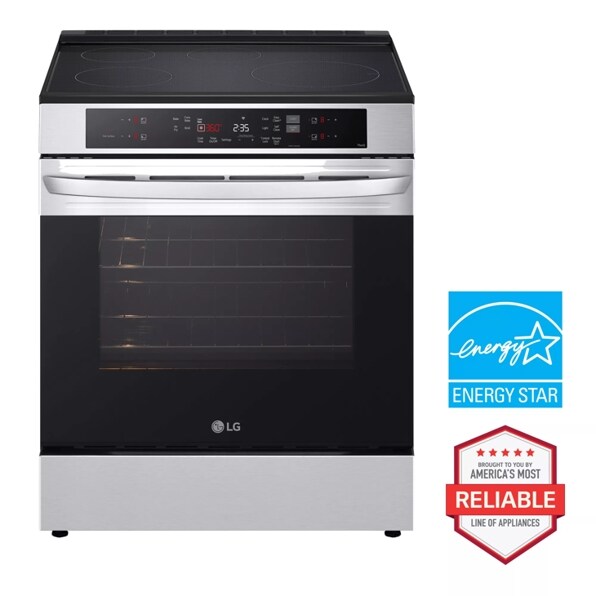
Credit: www.lg.com
Inspecting Oven Wiring
Checking the wiring of a 240V oven is very important for safety and performance. Problems with wiring can cause the oven to stop working or become dangerous.
It is best to inspect the wiring carefully before trying to fix any issues. This helps find the exact problem and avoid further damage.
Identifying Loose Connections
Loose connections can stop the oven from getting power. They also create sparks that can cause fires. Look for wires that move easily or are not tight on the terminals.
Use a screwdriver to gently check if all screws are tight. Make sure the wires are secure and not slipping out.
Looking For Damaged Wires
Damaged wires can cause short circuits or stop the oven from working. Look for cracks, burns, or exposed copper wire. These signs mean the wire needs fixing or replacing.
- Check the insulation for cracks or breaks
- Look for black marks or burn spots
- Make sure no copper wire is showing
Confirming Proper Grounding
Proper grounding keeps you safe from electric shocks. The oven must have a ground wire connected to the metal frame and the home’s ground system.
Check the ground wire is tightly connected and not broken. Use a tester if available to confirm the ground is working well.
Testing Oven Components
When a 240V oven has one wire not connected, it may not work properly. Testing the oven parts helps find the problem. You can check heating elements, thermostat, and control board.
Using simple tools, you can test each part safely. This guide explains how to test these main components step by step.
Examining Heating Elements
The heating elements heat the oven. If they are broken, the oven will not get hot. Check for visible damage like cracks or breaks.
Use a multimeter to test the element’s resistance. A good element shows a low resistance number. An open or very high reading means the element is bad.
- Unplug the oven before testing.
- Remove the heating element from the oven.
- Set the multimeter to ohms (Ω).
- Touch the probes to each end of the element.
- Check the reading on the meter.
Checking Thermostat Function
The thermostat controls the oven’s temperature. If it is faulty, the oven may not heat or may overheat. Testing the thermostat ensures it works right.
Use a multimeter to check if the thermostat opens and closes properly. When cold, the thermostat should show continuity. When hot, it should break continuity.
- Turn off power to the oven.
- Remove the thermostat from the oven.
- Set multimeter to continuity mode.
- Test across the thermostat terminals.
- Heat the thermostat gently and watch for changes.
Evaluating Control Board
The control board manages oven functions and settings. A bad board can cause the oven to stop working. Look for burnt parts or loose wires on the board.
Testing the control board usually requires a professional. You can check for visible damage and make sure all wires connect firmly. Replace the board if needed.
- Disconnect power before inspecting.
- Look for burn marks or smell of burnt plastic.
- Check all wire connections are tight.
- Use a multimeter to test fuses on the board.
- Consult a technician for complex testing.

Credit: www.youtube.com
Quick Fixes To Restore Connection
If your 240V oven is not connected properly, it will not work. You can fix it quickly with some simple checks. These fixes help restore power and get your oven working again.
Before starting, make sure to turn off the main power for safety. Then try these easy steps to restore the oven connection.
Resetting Circuit Breaker
The circuit breaker can trip and cut power to your oven. Resetting it often solves the problem fast. Find your breaker box and look for a switch that is off or in the middle position.
Flip the breaker fully to the off position and then back on. This resets the breaker and may restore power to your oven.
- Locate your breaker box
- Find the oven’s breaker switch
- Switch it off completely
- Turn it back on
- Check if the oven powers up
Tightening Loose Wires
Loose wires can cause a bad connection and stop your oven from working. Turn off the power and open the oven’s electrical panel. Check if any wires are loose or disconnected.
Use a screwdriver to tighten the wire connections. Make sure wires are secure and not damaged.
- Turn off power at breaker
- Open oven electrical panel
- Look for loose or disconnected wires
- Tighten wire screws firmly
- Close panel and restore power
Replacing Faulty Parts
Sometimes a part inside the oven or electrical system is faulty. Common parts include heating elements and fuses. If the oven still does not work after other fixes, check these parts.
Replace any broken parts with new ones made for your oven model. Always turn off power before replacing parts to stay safe.
- Inspect heating elements for breaks
- Check fuses for burns or damage
- Buy exact replacement parts
- Turn off power before installing
- Test oven after replacement
When To Call A Professional
If your 240V oven has only one side connected, it may not work properly. This can cause uneven heating or no heat at all.
Some problems with your oven’s electrical setup need expert help. Knowing when to call a professional keeps you safe and saves time.
Complex Electrical Issues
Electric ovens use high voltage and complex wiring. Problems like a broken wire or faulty breaker need special tools to fix.
Only trained electricians can safely check the oven’s wiring and electrical panel. Mistakes can cause shocks or fires.
Component Replacement Needs
Sometimes oven parts like heating elements or fuses fail. Replacing these parts often needs electrical knowledge and correct tools.
- Heating element may burn out
- Fuses or circuit breakers can trip
- Wiring connections might loosen
A professional can find the broken part and replace it safely without damaging other parts.
Ensuring Safety Compliance
Electric ovens must meet safety rules. A professional knows these rules and can make sure your oven is safe to use.
They check grounding, wiring, and connections. This prevents shocks, fires, and other dangers.
Preventive Measures For Future Issues
A 240V oven not connecting properly can cause inconvenience and safety risks. Taking steps early helps avoid these problems.
Preventive care keeps your oven working well and safe to use. Follow simple tips to protect your appliance.
Regular Maintenance Tips
Check your oven’s wiring and connections regularly. Look for loose wires or signs of wear.
Clean the oven and its electrical parts carefully. Dirt and dust can cause connection problems.
- Inspect wires for damage every few months
- Keep the oven area clean and dry
- Schedule professional checkups yearly
Monitoring Electrical Load
Check the electrical load your oven uses. Avoid using too many appliances on the same circuit.
Overloading can cause the oven to stop working or damage wiring. Use a dedicated circuit if possible.
- Know the oven’s power needs
- Limit other devices on the same circuit
- Use a qualified electrician to assess your setup
Proper Installation Practices
Install the oven according to the manufacturer’s instructions. Use correct wiring and connectors.
A poor installation can cause connection failure or safety hazards. Always hire a professional for installation.
- Follow voltage and wiring guidelines
- Use proper circuit breakers and outlets
- Check grounding and safety devices
Frequently Asked Questions
Why Is My 240v Oven Not Connected?
A 240V oven might not be connected due to installation errors, circuit issues, or a tripped breaker. Ensure the circuit breaker is on and check for any visible wiring problems. If issues persist, consider consulting a professional electrician to safely diagnose and resolve the problem.
How Do I Connect A 240v Oven?
Connecting a 240V oven involves matching wires to the corresponding terminals. Typically, connect the black and red wires to the live terminals, the white wire to the neutral, and the green or bare wire to the ground. Consult the oven’s manual or hire a professional for safe installation.
Can I Fix A 240v Oven Myself?
You can attempt basic troubleshooting like checking the circuit breaker. However, for wiring or internal issues, it’s safer to hire a licensed electrician. Handling 240V connections can be dangerous without proper knowledge, so professional assistance is recommended for your safety.
What Tools Are Needed To Connect A 240v Oven?
To connect a 240V oven, you’ll need a screwdriver, wire strippers, and a voltage tester. These tools help secure connections and ensure the circuit is not live during installation. Always follow safety guidelines and consult the oven manual or an electrician if unsure.
Conclusion
A 240V oven not fully connected can cause safety risks and poor performance. Check all wiring carefully to ensure proper setup. Always turn off power before inspecting connections. If unsure, ask a licensed electrician for help. Proper connection keeps your oven working well and your home safe.
Don’t ignore small issues—they can lead to bigger problems later. Taking time to fix wiring today saves trouble tomorrow. Stay safe and cook with confidence.