
Is your 1987 GE oven not heating from the top? It can be frustrating when your oven won’t bake or broil properly.
You rely on that top heating element to cook your favorite meals evenly. Without it, your food might come out undercooked or uneven. But don’t worry—understanding why your oven’s top element isn’t working is the first step to fixing it.
You’ll discover simple ways to diagnose the problem and get your oven back to perfect cooking in no time. Keep reading to save time, avoid costly repairs, and enjoy your meals just the way you like them.
Common Causes Of No Top Heating
When the top heating element of a 1987 GE oven stops working, it can be frustrating. This problem usually happens due to a few common issues. Knowing these causes can help you fix the oven faster.
Understanding why the top heating element fails helps in finding the right solution. Most problems are simple and can be checked with basic tools.
Faulty Heating Element
The heating element itself may be broken or worn out. Over time, the element can crack or burn out. This stops it from heating properly.
You can test the element with a multimeter. If it shows no continuity, the element needs replacement.
Broken Element Connections
Sometimes the wires that connect the heating element get loose or broken. This breaks the electrical path and stops heat.
Check the wire terminals for damage or corrosion. Tighten or replace any faulty connections to restore power.
Thermal Fuse Issues
The thermal fuse protects the oven from overheating. If it blows, the top element will not heat at all.
Test the thermal fuse with a multimeter. Replace it if it shows no continuity to fix the heating problem.
Malfunctioning Infinite Switch
The infinite switch controls the oven’s heating levels. A broken switch can stop the top element from getting power.
Check the switch for signs of damage or wear. Replace the switch if it fails the continuity test.
Diagnosing The Problem
If your 1987 GE oven has no top heating element, the problem could be electrical or mechanical. Finding the cause helps fix it fast.
This guide shows how to check the heating element and related parts safely. Use simple tools and steps.
Visual Inspection Steps
Start by looking at the top heating element and oven parts. Check for signs of damage or wear.
- Look for cracks or breaks on the heating element
- Check if wires are loose or burnt
- Inspect the oven’s interior for any burnt spots
- Make sure the element is properly connected
- Look for any visible fuse damage
Using A Multimeter
A multimeter checks electrical parts for continuity. It tells if a part is broken or working.
Set the multimeter to ohms (Ω) to test resistance. No reading means no continuity and a broken part.
- Turn off the oven and unplug it
- Remove the heating element wires
- Touch the multimeter probes to each end of the element or part
- Check the meter reading for resistance
- Zero or low reading means the part is good
Testing The Heating Element
The heating element may fail due to age or damage. Testing it confirms if it needs replacement.
- Remove the element from the oven carefully
- Check it visually for breaks or burns
- Use the multimeter to check for continuity
- No continuity means the element is broken
- Replace the element if it is damaged or no continuity
Checking The Switch And Fuse
The oven’s switch and fuse control power to the heating element. Faulty parts stop the element from heating.
Test the switch and fuse with a multimeter for continuity. Replace any part that shows no continuity.
- Locate the oven’s temperature switch and fuse
- Remove power before testing
- Use the multimeter to check continuity on each part
- No continuity means the part is bad
- Replace faulty switches or fuses to restore heating
Easy Fixes For The Heating Element
If your 1987 GE oven has no top heating element, it may not cook food properly. Fixing the heating element can bring your oven back to life.
This guide explains simple fixes you can try. You do not need to be an expert to follow these steps.
Replacing The Heating Element
The heating element can burn out over time. Replacing it is often the best solution if it is broken.
First, unplug the oven. Then remove the old heating element carefully. Install a new element that fits your model.
- Unplug the oven for safety
- Remove screws holding the element
- Disconnect wires from the old element
- Attach wires to the new element
- Secure the new element with screws
- Plug the oven back in and test
Repairing Loose Connections
Loose or damaged wire connections can stop the heating element from working. Check the wires carefully.
Fix any loose wires by tightening them or replacing damaged parts. This can restore power to the heating element.
- Unplug the oven
- Remove the back panel
- Inspect wires connected to the element
- Tighten loose wire nuts or screws
- Replace frayed or damaged wires
- Reassemble and test the oven
Resetting Or Replacing The Thermal Fuse
The thermal fuse protects the oven from overheating. If it blows, the heating element will not work.
Try resetting the fuse if possible. If not, replace it with a new fuse made for your GE oven.
- Unplug the oven
- Locate the thermal fuse near the heating element
- Check the fuse for damage or burn marks
- Reset the fuse if it has a reset button
- Replace the fuse if it is blown
- Plug in the oven and check if it heats

Credit: www.amazon.ca
Tips For Safe Repairs
Fixing a 1987 GE oven without a top heating element can be tricky. Safety is the most important part of any repair work.
Follow these tips to avoid accidents and complete repairs safely.
Unplugging And Safety Precautions
Always unplug the oven before starting any repair. This stops electric shocks and injuries. Make sure no one else plugs it in while you work.
Wear rubber-soled shoes and keep the area dry. Avoid touching metal parts with wet hands.
- Unplug the oven from the power outlet
- Wear safety gloves to protect your hands
- Use a flashlight to see inside the oven clearly
- Keep children and pets away from the work area
Proper Tools Needed
Use the right tools to avoid damage and injury. A good set of screwdrivers and pliers helps with most parts.
Have a multimeter to check electrical parts safely. Avoid using damaged or worn tools.
- Screwdrivers (flathead and Phillips)
- Pliers with insulated handles
- Multimeter for electrical testing
- Flashlight or work light
- Safety gloves and goggles
Handling Electrical Components Carefully
Be gentle with wires and connectors. Do not pull or twist them hard. This prevents breaks and shorts.
Check for worn or damaged wires before reconnecting. Replace any parts that look unsafe.
- Do not touch exposed wires with bare hands
- Hold connectors by the plastic parts
- Inspect wires for cracks or burns
- Use electrical tape for minor insulation fixes
- Double-check connections before plugging in
When To Call A Professional
If your 1987 GE oven has no top heating element, it might be a simple fix or a complex problem. Knowing when to call a professional can save you time and avoid damage.
Some oven issues require expert care. Learn the signs that mean you should get help from a trained technician.
Signs Of Complex Electrical Issues
Electrical problems in ovens can be dangerous. If your oven does not heat up at all or trips your circuit breaker, these are warning signs.
Other signs include flickering heating elements or strange smells when the oven is on. These issues need a professional to inspect and fix.
Avoiding Further Damage
Trying to fix complex oven problems yourself can cause more damage. It can also be unsafe if you do not know about electrical systems.
Turn off the oven and unplug it if you notice any electrical faults. Do not use the oven until a professional checks it.
- Stop using the oven if it won’t heat properly
- Disconnect power to avoid electric shocks
- Do not try to replace parts without experience
- Keep children and pets away from the oven
Finding A Qualified Technician
Look for a repair technician with experience in old GE ovens. They will know how to handle the wiring and parts safely.
Check if the technician is licensed and has good reviews. This helps ensure the job is done right the first time.
- Search for technicians who specialize in appliance repair
- Ask for proof of license and insurance
- Read customer feedback and ratings
- Request a clear estimate before work begins
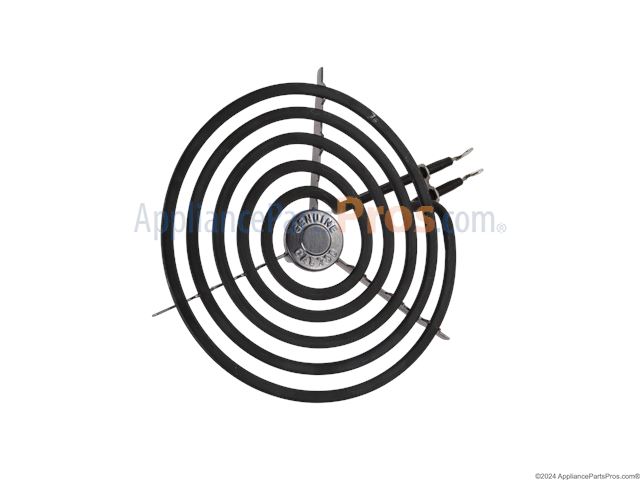
Credit: www.appliancepartspros.com
Preventive Maintenance Tips
Taking care of your 1987 GE oven helps it work well for many years. Regular maintenance can stop problems before they start.
Simple checks and cleaning keep the oven safe and efficient. Follow these tips to protect your oven’s heating elements.
Regular Cleaning
Keep the oven clean inside and out. Dirt and grease can block heat and cause damage over time.
Wipe spills quickly after the oven cools. Use gentle cleaners to avoid harming the heating elements.
- Clean oven walls and racks often
- Remove food crumbs and spills
- Avoid harsh chemicals near heating parts
Inspecting Elements Periodically
Check heating elements regularly for signs of wear. Look for breaks, corrosion, or discoloration.
Early spotting of problems helps you fix issues before they get worse. Replace damaged elements quickly.
- Turn off power before inspecting
- Use a flashlight to see clearly
- Note any cracks or dark spots
- Test elements with a multimeter if possible
Avoiding Overheating
Do not set the oven to very high heat for long times. Overheating can burn out the heating elements.
Use the oven timer and avoid leaving it on when not in use. This protects the oven and saves energy.
- Follow recommended temperature limits
- Use oven only for cooking, not storage
- Turn off oven promptly after use
- Check that vents are not blocked

Credit: www.reddit.com
Frequently Asked Questions
Why Does My 1987 Ge Oven Lack A Top Element?
The 1987 GE oven was designed without a top heating element. This was to focus on efficient bottom heating. This design can still produce quality baking results. However, if broiling is needed, a separate appliance might be necessary.
Can I Add A Top Heating Element To My Oven?
Adding a top heating element to a 1987 GE oven is not recommended. The oven’s design and wiring may not support it. Modifications can pose safety risks. Consulting with a professional is advisable before any alterations.
How Do I Bake Evenly Without A Top Element?
To ensure even baking in a 1987 GE oven, rotate your dishes halfway through cooking. Use quality bakeware for better heat distribution. Adjust rack positions to suit different recipes. Preheat the oven adequately for consistent results.
Is It Normal For My Oven To Heat From Below?
Yes, it’s normal for a 1987 GE oven to heat primarily from below. This design focuses on efficient bottom heating for baking. It’s different from modern ovens but still effective. Adjusting cooking techniques can help achieve desired results.
Conclusion
A 1987 GE oven missing the top heating element needs quick attention. Check the element and wiring for damage or wear. Replace faulty parts to restore even heat. Regular maintenance helps keep your oven working well. Small fixes save money and time.
Cooking will be easier and more reliable with a fully working oven. Don’t ignore heating problems—they can get worse. Simple steps can bring your old oven back to life.